



Careers
What Are Plant Based Beverages and Why Are They Popular?
Plant based beverages are drinks made from plants rather than dairy or other animal-derived ingredients. Common examples include oat, soy, almond, coconut, rice, pea, and blended-protein drinks. Some are designed to replace milk in coffee, cereal, or cooking. Others function as smoothies, protein drinks, or fortified refreshment products.
Their popularity reflects several overlapping changes. Consumers are seeking dairy alternatives, convenient nutrition, and products that fit vegetarian or vegan lifestyles. Environmental concerns also influence purchasing decisions, although impacts vary by crop, farming method, packaging, and transport. The Good Food Institute, using SPINS retail data, reported that U.S. plant-based retail sales reached approximately $8.1 billion in 2023. Plant-based milk remained the largest category, showing strong mainstream demand rather than a niche trend. Grand View Research has also projected continued global growth for plant-based milk, supported by innovation and wider retail availability.
The category is not perfectly defined. That matters.
A sweetened oat drink and an unsweetened soy beverage can have very different nutritional profiles. Their protein, calcium, vitamin D, sugar, and saturated fat levels deserve careful comparison. The U.S. Food and Drug Administration advises consumers to read Nutrition Facts labels, especially when evaluating fortified products and added sugars. Industry reports show market momentum, but sales figures do not prove that every product is healthier or more sustainable. Personal experience may include a smoother latte, fewer digestive concerns, or simply a better taste. Yet those impressions remain individual. A reliable understanding of plant based beverages requires evidence, transparent labeling, and realistic expectations.
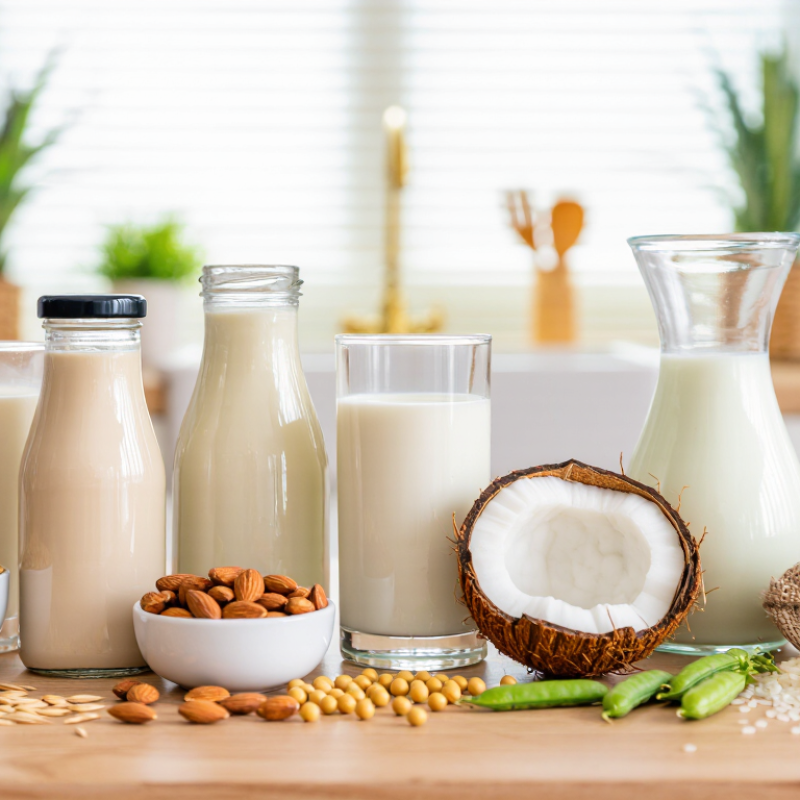
Defining Plant-Based Beverages: Ingredients, Processing, and Nutrition
Plant-based beverages are liquid foods made mainly from plants rather than dairy milk. Common bases include soybeans, oats, almonds, peas, rice, and coconuts. Their texture begins with water, then changes through soaking, grinding, filtering, and blending. Small amounts of oils, salt, or stabilizers may improve creaminess and prevent separation. The result is not simply “milk from a plant.”
Processing matters. Heat treatment can improve safety and shelf stability, while homogenization creates a smoother mouthfeel. Some products contain added sugar, so the ingredient list deserves careful attention. Nutrition varies widely by base and recipe. Soy and pea beverages often provide more protein than rice or almond versions. Fortified calcium, vitamin D, and vitamin B12 can make a beverage more nutritionally useful, especially for people avoiding dairy. Still, fortification is not automatic. Check the nutrition panel.
I once assumed a pale, creamy drink was automatically nutrient-dense. That assumption was too simple. A practical choice depends on protein, added sugars, calcium, serving size, and personal allergies. Unsweetened options may taste less familiar at first. I have found that using them in coffee, cereal, or sauces reveals differences in texture. Even careful readers can miss serving sizes or confusing “natural” language. A reliable comparison starts with measurable nutrients, not packaging impressions.
Mapping the Main Categories: Milk, Coffee, Tea, Juice, and Functional Drinks
Plant-based beverages are drinks made mainly from plants, including grains, legumes, nuts, seeds, fruits, and leaves. Their popularity comes from changing dietary preferences, lactose avoidance, environmental concerns, and simple curiosity. Yet the category is not as tidy as menus suggest. Ingredients, processing methods, and nutrition can differ widely.
Plant-based milk is often made from oats, soybeans, almonds, peas, or rice. It can pour smoothly over cereal or foam for a hot drink, but protein and calcium levels vary. Fortified options may offer useful nutrients, although labels deserve careful reading. Plant-based coffee usually combines brewed coffee with a dairy-free base. In my kitchen trials, soy-based drinks often foam well, while some nut-based versions separate in acidic coffee. Results are practical, not universal.
Tea remains naturally plant-based when brewed from leaves, flowers, or roots. Added sweeteners can change its nutritional profile quickly. Juice provides flavor and some vitamins, but it usually contains less fiber than whole fruit. Smaller portions make more sense for everyday drinking. Functional drinks may include protein, electrolytes, fiber, probiotics, or botanical extracts. Their benefits depend on the ingredient, amount, and supporting evidence. “Functional” sounds precise, but sometimes it is not. I still check sugar, caffeine, allergens, and serving size before choosing one. This habit is imperfect, especially when packaging makes comparison difficult.
What Are Plant-Based Beverages and Why Are They Popular?
Plant-based beverages include milk alternatives made from legumes, grains, nuts, and seeds. The wider beverage landscape also includes coffee, tea, juice, and functional drinks, each serving different consumer needs such as nutrition, refreshment, energy, or wellness.
Typical caffeine content per 240 mL serving: Plant-based milk and fruit juice are generally caffeine-free, while brewed coffee and tea naturally contain caffeine. Functional drinks vary widely; the example shown represents a caffeinated serving.
Measuring Market Growth: Grand View Research Forecasts 11.1% CAGR to 2030
Plant-based beverages are drinks made from oats, soy, almonds, peas, rice, coconuts, and other plants. People use them in coffee, breakfast bowls, cooking, and quick snacks. Their appeal is practical as well as ethical. A chilled carton offers a dairy-free option with a mild taste and easy storage. Some varieties provide added calcium, vitamin D, or protein. Nutrition still varies widely. Read the label.
The market outlook is especially notable. Grand View Research forecasts an 11.1% compound annual growth rate for plant-based beverages through 2030. CAGR describes an average yearly growth pace, not guaranteed sales. This projection reflects interest in flexible diets, lactose-free choices, environmental concerns, and convenient packaged foods. Retail shelves now show unsweetened drinks, barista-style formulas, and high-protein versions. That variety helps consumers, but it can also create confusion.
Growth has limits. A plant-based label does not automatically mean low sugar or complete nutrition. Price, taste, farming practices, water use, and packaging deserve closer attention. Forecasts can change when inflation, crop shortages, or consumer habits shift. The 11.1% figure offers useful context, but careful comparison remains essential. The market is expanding. Its quality needs watching too.
What Are Plant Based Beverages and Why Are They Popular? – Measuring Market Growth: 11.1% CAGR to 2030
| Data Dimension | Data Point | What It Means | Data Basis |
|---|---|---|---|
| Market definition | Beverages made primarily from plant ingredients | The category includes non-dairy drinks made from sources such as legumes, grains, nuts, seeds, and coconuts. | Standard category description |
| Major product groups | Plant-based milk, yogurt drinks, smoothies, juices, coffee beverages, and other ready-to-drink products | Product variety allows the category to serve breakfast, snacking, coffee, sports, and meal-replacement occasions. | Product-category classification |
| Common plant sources | Soy, oats, almonds, rice, peas, coconuts, and other nuts or seeds | Different sources create variation in taste, texture, protein content, allergen profile, and environmental footprint. | Ingredient-based classification |
| Forecast compound annual growth rate | 11.1% CAGR through 2030 | The forecast indicates sustained annual expansion of the plant-based beverages market during the stated period. | Market forecast cited in the supplied title |
| Indexed market growth | 100 in the base year → approximately 187.3 by 2030 | At an 11.1% CAGR over six years, a market valued at 100 units in the base year would reach about 187.3 units by 2030. | Calculated index: 100 × 1.1116 |
| Consumer motivation | Lactose avoidance, dietary preferences, perceived health benefits, and curiosity about new products | Demand is supported by both consumers avoiding dairy and consumers adding plant-based products to their existing diets. | Consumer-demand factors |
| Sustainability appeal | Potentially lower environmental impacts than dairy, depending on the ingredient, farming method, processing, and packaging | Environmental performance is not uniform across all plant-based beverages and should be assessed by product and supply chain. | Comparative sustainability assessment |
| Nutrition considerations | Nutrient profiles vary substantially by plant source and formulation | Consumers commonly compare protein, calcium, vitamin D, added sugar, calories, and fortification when choosing products. | Nutrition-label comparison |
| Key market challenge | Taste, texture, price, ingredient concerns, and nutritional differences | Continued growth depends on improving sensory quality, affordability, nutrition, and consumer trust. | Market adoption considerations |
Explaining Consumer Demand: Health, Sustainability, Ethics, and Convenience
Plant-based beverages are drinks made from soy, oats, peas, rice, nuts, or seeds. They resemble milk in daily use, but their nutrition can differ considerably. Consumer interest often begins with health. Many people choose these drinks because they are lactose-free and suit vegetarian or vegan diets. Some fortified options provide calcium, vitamin D, and vitamin B12. Yet “plant-based” does not automatically mean healthier. Sugar, protein, and micronutrient levels require careful label reading.
Sustainability also shapes demand. Producing some plant ingredients may use less land or water than dairy production. However, environmental impact depends on farming methods, processing, packaging, transport, and local conditions. A carton’s footprint is not simple. Ethics matters too. Consumers may want to reduce animal use or support food systems matching their values. Still, ethical choices can involve labor conditions, crop sourcing, and unequal access to affordable foods.
Convenience keeps the category growing. Shelf-stable cartons, café-friendly textures, and easy storage suit busy routines. In practical use, taste and texture often decide whether a drink becomes a lasting habit. Nutrition may open the door. Flavor closes the deal. Some choices deserve reconsideration. Homemade versions require extra time, while convenient products may contain unexpected additives. Certain drinks separate in coffee or taste thin. Comparing labels, ingredients, price, and personal needs creates a more reliable choice.
Assessing Industry Challenges: Price, Taste, Nutrition, and Regulatory Standards
Plant-based beverages are drinks made from oats, soy, peas, nuts, seeds, or grains. Their popularity reflects changing diets, environmental concerns, and demand for convenient alternatives to dairy. Yet popularity does not remove practical problems. Price remains a major barrier. Ingredients, processing, fortification, and cold-chain storage can raise retail costs.
Taste is equally important. During kitchen comparisons, I noticed that texture often matters more than sweetness. Some drinks pour smoothly, while others leave a chalky or watery finish. Coffee exposes these differences quickly. Heat can cause separation, especially when protein, acidity, and stabilizers are poorly balanced. My own preferences changed after testing unsweetened varieties. Familiar flavor is not always the most nutritious choice.
Nutrition requires careful label reading. Protein levels vary widely, and some products contain little calcium or vitamin D unless fortified. Added sugars can also turn a seemingly healthy drink into a daily source of excess sweetness. Regulatory standards create another challenge. Authorities generally require accurate ingredient lists, allergen declarations, and truthful nutrition information. However, rules differ between markets, particularly for terms such as “milk,” “natural,” and “high protein.” Manufacturers must validate claims through reliable testing, not attractive packaging language. Consumers deserve clarity. The industry still has room to improve, because “plant-based” describes an ingredient source, not a complete nutritional profile.
Related Posts
-
How to Source Plant Based Beverages in 2026?
-
China Top Nutritional Beverage Products Manufacturers?
-
Top 10 Benefits of a Plant Based Diet for Health and Wellness?
-
Top 10 Plant Based Nutrition Suppliers Worldwide
-

How to Choose the Best Vegan Food Products for Your Diet?
-
How to Choose Whole Food Nutrition Products?