


Careers

China Top Nutritional Beverage Products Manufacturers?

China’s nutritional beverage products market is expanding across supermarkets, gyms, pharmacies, and online channels.
Manufacturers now offer protein drinks, fortified milk beverages, plant-based formulas, electrolyte products, and low-sugar options.
The strongest suppliers do more than display attractive packaging.
They control ingredients, processing conditions, testing procedures, and supply-chain records.

Dr. Marion Nestle, a leading nutrition scholar, reminds consumers, “The basic issue is not what to eat, but how much.”
That principle matters when comparing nutritional beverage products.
A drink may contain calcium, vitamins, or added protein.
It may also contain significant sugar, sodium, or unnecessary additives.
Ingredient quality needs careful examination.

This guide reviews China’s leading manufacturers through practical and evidence-based criteria.
These include formulation expertise, production capacity, quality certifications, laboratory testing, traceability, and export experience.
A reliable factory should explain its ingredient sources clearly.
It should also provide batch records and realistic nutritional claims.
A clean production floor matters.
So does a transparent label.

“Top” is not always simple.
A large manufacturer may provide excellent scale but limited customization.
A smaller producer may offer flexible formulas and closer communication.
That difference can affect private-label projects, retail launches, and clinical nutrition applications.

The market also changes quickly.
New ingredients appear before long-term evidence becomes complete.
Some product descriptions sound more impressive than their nutritional value.
Readers should treat rankings as a starting point, not a final verdict.
This introduction focuses on manufacturers that demonstrate credible experience, professional knowledge, accountable processes, and dependable product support.
China Top Nutritional Beverage Products Manufacturers?

China’s Nutritional Beverage Manufacturing Industry

China’s Nutritional Beverage Manufacturing Industry

China’s nutritional beverage manufacturing industry is moving beyond simple energy drinks. Mordor Intelligence estimates that China’s functional beverage market may reach about USD 35.9 billion by 2029, growing at roughly 8% annually from 2024. Demand is strongest for low-sugar drinks, protein beverages, electrolyte formulas, and products containing vitamins or plant extracts. The market is large, but not perfectly standardized.

In practical factories, production begins with ingredient verification and small pilot batches. Technicians test sweetness, acidity, sedimentation, and shelf stability before filling. A clear bottle may still hide separation after three months. That is where quality control matters. Manufacturers commonly use high-temperature short-time processing, aseptic filling, and batch-level traceability. These steps protect flavor and reduce contamination risks.

Nutrition claims require restraint. China’s Dietary Guidelines recommend limiting added sugar below 50 grams daily, with 25 grams preferred. The World Health Organization also advises keeping free sugars below 10% of daily energy intake. Therefore, manufacturers must measure sugar precisely, not simply print “healthy” on packaging. Euromonitor International’s 2024 health-and-wellness analysis identifies reduced sugar and functional benefits as major consumer priorities in China. Yet consumer expectations change quickly. Some formulations still depend too heavily on sweet taste, and that deserves honest reconsideration.

Leading Manufacturers and Their Product Categories

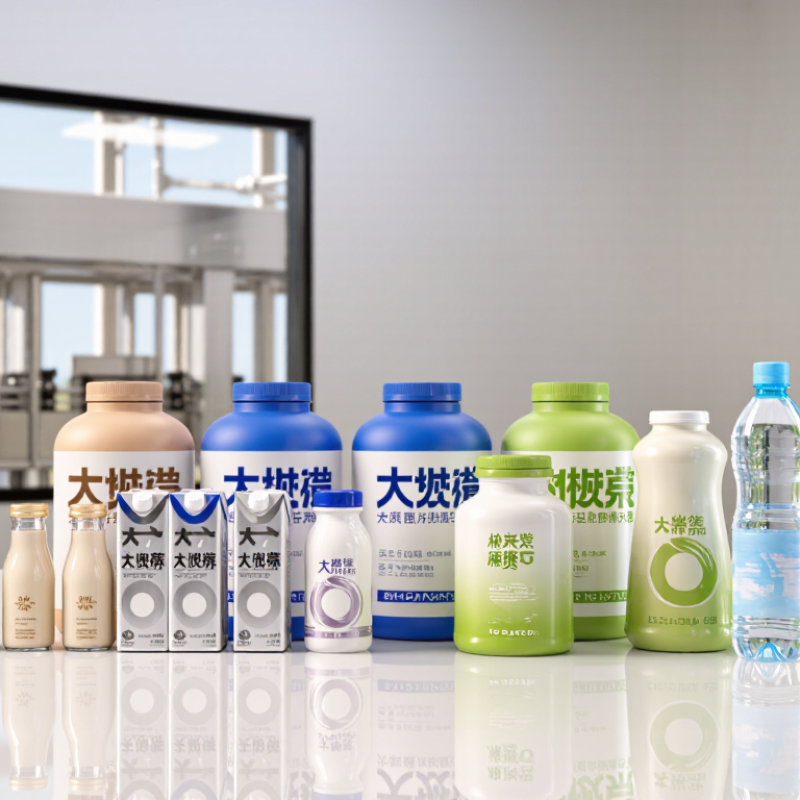
China’s nutritional beverage manufacturers serve a wide range of health-focused product categories. Their portfolios often include plant-based protein drinks, vitamin beverages, probiotic formulas, electrolyte drinks, and ready-to-drink meal replacements. Many factories also provide OEM and ODM services for overseas buyers.

Experienced manufacturers usually support formula development, pilot production, filling, packaging, and quality testing. Strong suppliers can show batch records, ingredient traceability, stability data, and clear production standards.

A factory visit may reveal practical details, such as clean filling lines, cold storage areas, and controlled sampling procedures. However, impressive equipment does not guarantee consistent quality. Buyers should compare test reports with actual production samples.

Tips: Check the ingredient source, serving size, shelf life, and nutrition panel. Ask whether the manufacturer tests each batch for microbes, heavy metals, and unwanted residues. Confirm export documents and permitted health claims for the target market. A low quotation may hide weaker packaging or limited quality control. Samples can look excellent, yet large-scale production may differ. Allow time for repeated testing and formula adjustments.

Key Ingredients and Nutritional Formulation Approaches

China’s leading nutritional beverage manufacturers are moving beyond simple vitamin fortification. Formulators now combine protein, dietary fiber, electrolytes, and botanical ingredients for specific usage occasions. Grand View Research valued the global functional beverage market at about USD 204.8 billion in 2023, with continued growth expected through 2030. China’s opportunity is substantial, but consumer trust depends on measurable nutrition, not attractive claims.

Protein drinks often use milk, soy, pea, or rice protein. Each source changes texture, allergen management, and amino-acid balance. Soluble fiber can support satiety, while electrolytes suit products designed for exercise or hot climates. However, excessive minerals may create a salty aftertaste. The 2022 Dietary Guidelines for Chinese Residents advise limiting added sugar below 50 grams daily, with 25 grams preferred. WHO also recommends keeping free sugars below 10% of daily energy intake. A formulation may meet these targets and still taste flat. That problem needs testing, not marketing language.

Tips: Check protein quantity per serving, sugar from every source, and evidence behind botanical extracts. Test stability after heat treatment and storage. Do not assume “natural” means effective. Manufacturers should document ingredient identity, dosage, safety reviews, and permitted claims under Chinese regulations. I would also challenge one common habit: adding too many actives. A shorter ingredient list can be easier to validate, manufacture, and understand.

Quality Standards, Certifications, and Production Capabilities

When evaluating China’s top nutritional beverage manufacturers, quality starts with applicable Chinese food standards, not marketing claims. A responsible facility holds a valid food production license and maps each formula to relevant GB requirements. ISO 22000, HACCP, or FSSC 22000 certification can strengthen confidence, but certificates need current scope and audit records. Third-party laboratory reports should verify nutrients, microbiological safety, contaminants, and shelf-life performance.

Production capability is visible in factory details. Treated water should pass documented filtration and disinfection controls. Ingredient weighing needs barcode checks and calibrated scales. High-shear mixing, homogenization, UHT processing, or aseptic filling may suit different beverage formulas. The right process depends on acidity, protein content, packaging, and required shelf life. Batch codes should connect raw materials, operators, test results, and finished cartons.

A serious supplier welcomes on-site audits and provides corrective-action evidence. Ask to inspect cleaning records, environmental monitoring, allergen segregation, and complaint handling. Samples should match the approved specification after transport and storage testing. Evidence beats appearance. A polished certificate does not prove consistent production. Human errors still occur, and small process deviations can affect taste or sedimentation. Independent testing and a pilot batch provide stronger evidence than a sales presentation. Factory capacity also deserves scrutiny: impressive annual output may not reflect available lines, minimum order quantities, or seasonal scheduling. Capacity can mislead. Clear records matter more than impressive promises.

Market Selection Criteria for Buyers and Distributors

China Top Nutritional Beverage Products Manufacturers?

For buyers and distributors, manufacturer selection should start with evidence, not attractive packaging. Grand View Research valued the global functional beverages market at approximately USD 218 billion in 2022, with continued growth expected through 2030. This expansion increases supplier choice, but also increases quality risks. Request recent certificates for food safety systems, laboratory test reports, allergen controls, and product stability data. Check whether testing covers heavy metals, microbes, nutrition values, and prohibited contaminants. A factory should explain its testing frequency clearly. Vague answers deserve caution.

Production capability matters beyond factory size. Review minimum order quantities, filling formats, batch traceability, lead times, and backup production plans. The manufacturer should provide pilot samples that match commercial batches. Ask for accelerated shelf-life evidence at realistic temperatures, especially for products shipped through hot ports. Packaging also needs practical review. Inspect seal strength, label durability, pallet design, and damage rates during transport. The International Food Information Council reports that consumers increasingly examine ingredients and health-related claims, so distributors should demand claim substantiation before marketing. Claims must remain accurate and locally compliant.

Tips: Compare three suppliers using the same scorecard. Include quality, cost, documentation, delivery, and complaint response. Visit the facility when possible. A video tour is useful, but it is not equal to an audit. Do not select the lowest quotation automatically. Hidden reformulation, weak records, or unstable supply can cost more later. My own caution is simple: certifications look reassuring, yet daily process discipline is harder to measure. Ask for corrective-action records and verify the details independently.

China Top Nutritional Beverage Products Manufacturers? - Market Selection Criteria for Buyers and Distributors
Product Category Typical Serving Format Indicative Energy per Serving Key Nutritional Benchmark Common Functional Positioning Packaging Options Typical Commercial Shelf-Life Target Recommended Buyer / Distributor Channel Critical Selection Criteria Relative Market Attractiveness
Electrolyte and Sports Hydration Drinks 330–600 mL ready-to-drink bottle or can 50–180 kcal Carbohydrates commonly supplied at approximately 4–8 g per 100 mL; sodium and potassium levels vary by formulation Hydration, exercise recovery, active lifestyle and outdoor use PET bottle, aluminum can or aseptic carton Usually 6–12 months, subject to processing, packaging and validation Sports retailers, gyms, convenience stores, e-commerce and outdoor-product distributors Electrolyte disclosure, taste stability, low sedimentation, leakage resistance, heat and transport stability High
High-Protein Ready-to-Drink Beverages 250–400 mL bottle or carton 120–300 kcal Approximately 15–30 g protein per serving is common in high-protein RTD products; sugar and fat depend on the recipe Protein supplementation, satiety, fitness and meal support HDPE bottle, PET bottle or aseptic carton Usually 6–12 months for shelf-stable products; refrigerated products may be shorter Fitness chains, pharmacies, supermarkets, convenience stores and online nutrition retailers Protein source, heat stability, viscosity, flavor masking, allergen controls and cold-chain capability where applicable High
Fortified Fruit and Vegetable Beverages 250–500 mL bottle or carton 80–220 kcal Vitamin C, vitamin A, B-group vitamins or minerals may be added; sugar content varies considerably by recipe Daily nutrition, immunity-related communication and fruit or vegetable consumption PET bottle, glass bottle or aseptic carton Commonly 6–12 months for commercially sterilized or aseptic products Supermarkets, food-service operators, schools, convenience stores and family-focused retailers Juice content declaration, oxidation control, color retention, sediment management and compliant nutrition claims Medium–High
Plant-Based Nutrition Drinks 250–500 mL bottle or aseptic carton 80–220 kcal Protein commonly ranges from approximately 2–10 g per serving; calcium and vitamin fortification are frequent product features Plant-based diets, lactose-free positioning, sustainability and everyday nutrition Aseptic carton, PET bottle or HDPE bottle Typically 6–12 months for aseptic shelf-stable products Modern grocery, cafés, food-service distributors, health stores and e-commerce platforms Raw-material traceability, suspension stability, allergen management, off-flavor control and fortification uniformity High
Functional Tea and Botanical Beverages 300–500 mL bottle or can 0–150 kcal Polyphenols and botanical ingredients may be present; sugar-free or reduced-sugar formulas are widely used Refreshment, relaxation, alertness, low-sugar hydration and traditional botanical positioning PET bottle, aluminum can or glass bottle Usually 6–12 months, depending on pH, thermal processing and packaging Convenience stores, cafés, supermarkets, specialty food retailers and hospitality suppliers Botanical identity, flavor consistency, caffeine declaration where relevant, sediment control and claim compliance Medium–High
Meal-Replacement and Complete-Nutrition Drinks 250–500 mL ready-to-drink bottle or powder-reconstituted serving 180–400 kcal Protein, carbohydrate, fat, fiber and selected vitamins or minerals are combined to support a more complete nutrient profile Weight-management programs, convenient meals and controlled-calorie nutrition HDPE bottle, PET bottle, aseptic carton or sachet for powder Commonly 9–18 months for shelf-stable products after validation Pharmacies, wellness retailers, gyms, meal-plan providers and online subscription channels Nutrient balance, serving satiety, mixing performance, clinical or technical substantiation and regulatory labeling Medium–High
Prebiotic, Fiber and Gut-Health Beverages 250–500 mL bottle, carton or powdered sachet 20–180 kcal Dietary fiber may range from approximately 3–10 g per serving; formulation depends on soluble fibers and acidity Digestive wellness, fiber intake and reduced-sugar functional nutrition PET bottle, aseptic carton or single-serve sachet Typically 6–12 months for RTD products; powders may have longer validated shelf lives Health-food retailers, pharmacies, e-commerce, gyms and specialty distributors Fiber solubility, viscosity, digestive tolerance, flavor balance, moisture protection and permitted claims Medium–High
Vitamin and Mineral Water 350–600 mL bottle or can 0–120 kcal Selected vitamins or minerals are added; sugar-free, low-calorie and lightly flavored formulations are common Convenient micronutrient intake and low-calorie hydration PET bottle, aluminum can or glass bottle Usually 6–12 months, depending on nutrient stability and packaging protection Convenience stores, supermarkets, vending, gyms and corporate procurement Micronutrient stability, light protection, clean taste, packaging cost and accurate nutrition declaration Medium
Children’s Nutritional Beverages 125–250 mL carton or bottle 60–180 kcal Protein, calcium, vitamin D and other nutrients may be included; sugar level requires careful review Growth-stage nutrition, school consumption and family convenience Small aseptic carton, PET bottle or HDPE bottle Commonly 6–12 months for shelf-stable products Supermarkets, school suppliers, pharmacies, family retailers and e-commerce Age-specific labeling, allergen controls, sugar management, tamper evidence and food-safety documentation Medium–High
Elderly and Senior Nutrition Beverages 200–300 mL bottle, carton or powder serving 150–300 kcal Protein, calcium, vitamin D and selected micronutrients are commonly emphasized; texture and digestibility are important Healthy aging, dietary support and convenient supplemental nutrition HDPE bottle, aseptic carton or powder canister Usually 6–18 months, depending on RTD or powder format and validation Pharmacies, hospitals, elderly-care facilities, family retailers and professional nutrition channels Protein quality, ease of consumption, glucose and sodium considerations, medical-channel documentation and traceability Medium–High
Buyer evaluation note: The nutritional figures above are indicative category benchmarks rather than manufacturer-specific specifications. Final selection should be based on the approved product specification, laboratory test reports, ingredient traceability, factory audit results, packaging validation, minimum order quantity, lead time, export documentation and total landed cost.
Compliance reference: For products sold in China, buyers should verify applicable requirements under relevant Chinese food-safety and labeling standards, including GB 7101 for beverage safety requirements, GB 28050 for nutrition labeling, GB 2760 for permitted food additives, and any category-specific standards or claim restrictions applicable to the product.