



Natural Organic Food Products & Ingredient Sourcing Company
Top 10 Benefits of a Plant Based Diet for Health and Wellness?
In recent years, the plant based diet has gained immense popularity among health-conscious individuals. This shift stems from a growing awareness of the numerous health benefits associated with plant-based eating. From reducing the risk of chronic diseases to enhancing overall well-being, the advantages are noteworthy. Many experts highlight that incorporating more plant-based foods can lead to significant improvements in health.
A plant based diet primarily focuses on fruits, vegetables, legumes, nuts, and whole grains. These foods are rich in essential nutrients and antioxidants. They help combat inflammation and support heart health. However, transitioning to a plant based lifestyle may pose challenges for some. There are concerns about protein intake and nutrient balance. It is crucial to address these aspects through careful planning and education.
Many individuals have reported increased energy levels and weight loss after adopting a plant based diet. These personal experiences lend credibility to the claims surrounding plant-based eating. Yet, it is essential to remember that results can vary. Each person’s journey is unique, requiring tailored approaches and continuous learning. Exploring the benefits of a plant based diet opens the door to a healthier future, one bite at a time.

Understanding the Basics of a Plant-Based Diet
A plant-based diet focuses on consuming whole foods derived primarily from plants. This includes fruits, vegetables, grains, nuts, and seeds. It does not mean you have to become completely vegetarian or vegan. Many people adopt this diet to improve health without entirely giving up animal products.
Transitioning to a plant-based diet can be done gradually. Start by adding more leafy greens to meals. Explore new recipes featuring legumes and whole grains. It's essential to note that not all plant-based foods are healthy. Processed items can still be harmful, so read labels carefully.
Listening to your body is crucial. Some may struggle initially with such a significant change in eating habits. Digestive issues may arise, or cravings for animal products may linger. It's okay to seek guidance from nutritionists to ensure balanced nutrition. Adapting takes time, and it's about progress, not perfection.
Top 10 Benefits of a Plant Based Diet for Health and Wellness
| Benefit | Description | Research Findings |
|---|---|---|
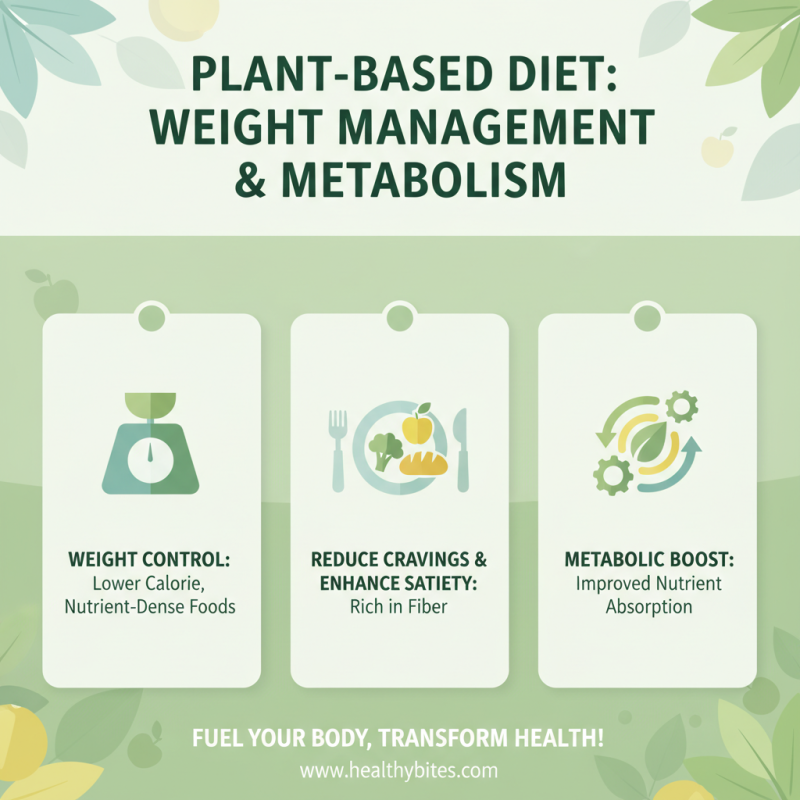
| Weight Management | A plant-based diet is often lower in calories and high in fiber, helping with weight loss and management. | Studies indicate that individuals on plant-based diets tend to have lower body mass indexes (BMI). |
| Heart Health | Rich in fruits, vegetables, and whole grains, plant-based diets can reduce the risk of heart disease. | Research shows lower cholesterol and blood pressure levels in those following plant-based eating patterns. |
| Diabetes Prevention | Plant-based diets may improve insulin sensitivity and lower blood sugar levels. | Studies have found that people on plant-based diets have a reduced risk of developing type 2 diabetes. |
| Digestive Health | High in fiber, plant-based diets promote healthy digestion and prevent constipation. | Long-term studies link fiber intake with lower rates of gastrointestinal diseases. |
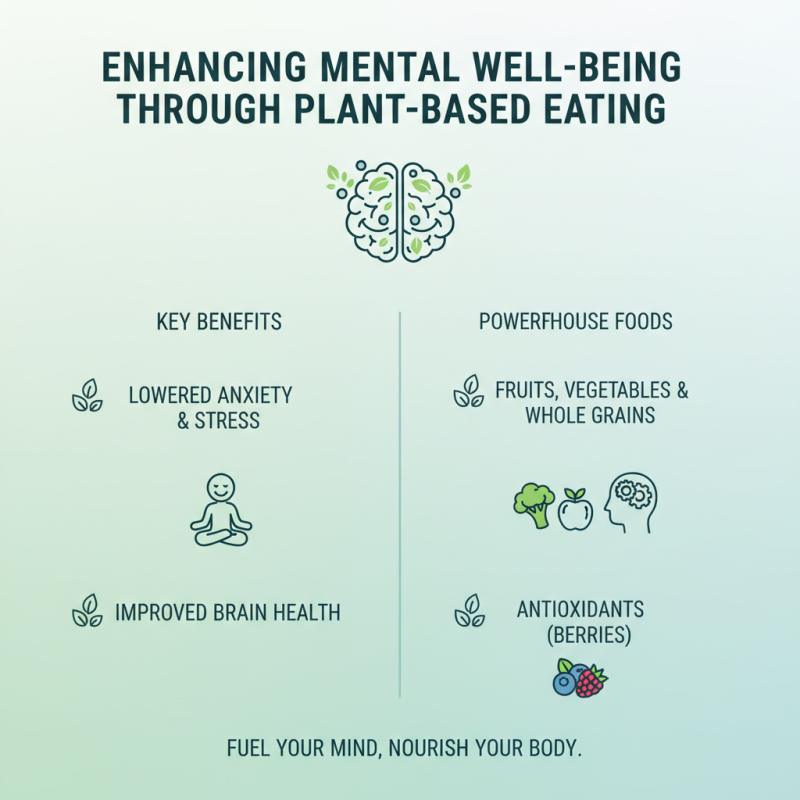
| Improved Mood | Eating more fruits and vegetables can enhance mental well-being and mood stability. | Research suggests a correlation between plant-based diets and reduced symptoms of depression. |
| Reduced Cancer Risk | Plant foods are rich in antioxidants, which may reduce cancer risk. | Studies indicate that a higher intake of fruits and vegetables is associated with a lower risk of certain cancers. |
| Better Nutrient Intake | Plant-based diets are rich in essential nutrients such as vitamins, minerals, and phytochemicals. | Observational studies show that those on plant-based diets often meet or exceed nutrient intake recommendations. |
| Environmental Sustainability | Plant-based diets have a lower carbon footprint and reduce environmental degradation. | Research points to significant reductions in greenhouse gas emissions associated with plant-based eating. |
| Longevity | Dietary patterns rich in plants are linked to a longer life expectancy. | Epidemiological studies show lower mortality rates among adherents to plant-based diets. |
| Improved Skin Health | Fruits and vegetables provide beneficial nutrients that improve skin health. | Studies have indicated that plant-based diets can lead to clearer, healthier skin over time. |
Related Posts
-

2026 Top Natural Beverage Products Trends You Should Know?
-

How to Choose the Best Vegan Food Products for Your Diet?
-
10 Best Plant Based Protein Sources for Optimal Health?
-

Top 10 Non Dairy Beverages in China You Must Try?
-

2026 How to Choose Natural Food Products for a Healthier Lifestyle?
-

How to Choose Healthy Beverage Options for Better Hydration?