10 Best Plant Based Protein Sources for Optimal Health?
In today's health-conscious society, plant based protein is gaining immense popularity. Experts, like Dr. Lisa Young, a renowned nutritionist, emphasize the importance of incorporating these proteins into our diet. She once stated, "Plant based protein sources are essential for a balanced diet and provide numerous health benefits."
Plant based protein sources offer a variety of nutrients that can boost overall wellness. Foods like lentils, quinoa, and chickpeas are not only high in protein but also rich in fiber and essential vitamins. These sources can help decrease the risk of chronic diseases. However, many people still overlook them in favor of animal proteins. In doing so, they miss out on the benefits of a more diverse, healthier diet.
Understanding plant based protein choices allows individuals to make informed decisions about their nutrition. While it may seem convenient to stick to traditional protein sources, exploring plant-based options can be empowering. It encourages a thoughtful reflection on dietary habits. By choosing these wholesome foods, we can truly enhance our health.
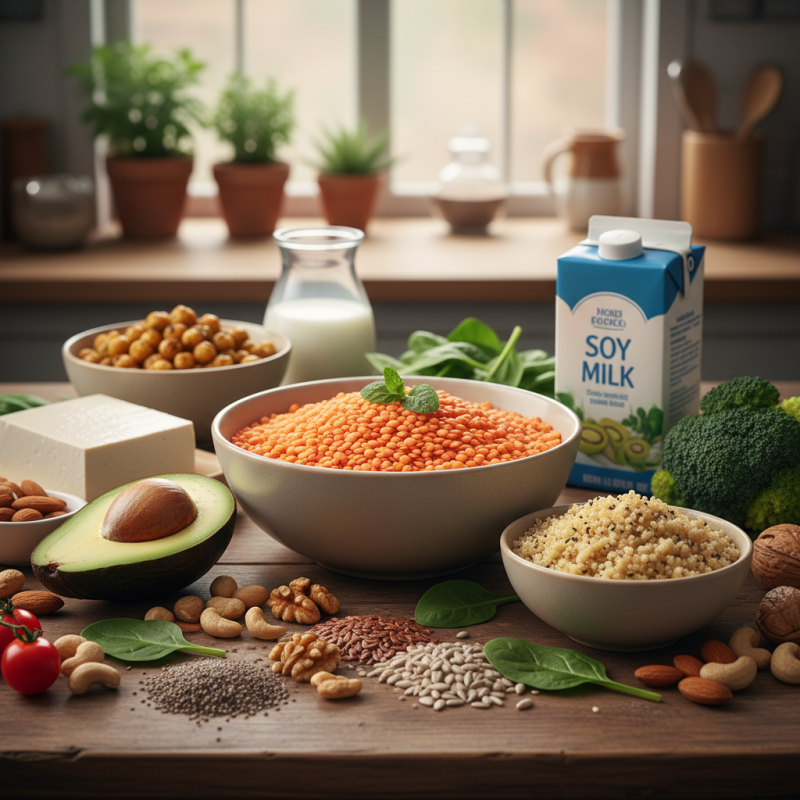
Understanding Plant-Based Proteins and Their Importance for Health
Plant-based proteins have gained significant attention. They provide essential nutrients that support overall health. Understanding these proteins is crucial for anyone considering a plant-based diet. Unlike animal proteins, plant proteins come from a variety of sources, including legumes, nuts, seeds, and grains. These proteins offer a unique profile of amino acids and beneficial compounds.
Incorporating plant-based proteins can bring various health benefits. For instance, lentils, chickpeas, and quinoa are rich in protein and fiber. They can help in managing weight and support digestion. However, not all plant sources are complete proteins. Some may lack certain essential amino acids. It's important to combine different sources for a balanced intake. For example, pairing rice with beans can create a complete protein.
While many people thrive on plant-based diets, others may struggle. Nutritional deficiencies can occur if not properly planned. Awareness and education are key to overcoming these challenges. Individuals interested in plant-based proteins should research and seek guidance from reliable sources. This approach ensures that their dietary choices promote optimal health while addressing potential pitfalls.
Top 10 Sources of Plant-Based Proteins for Everyday Nutrition
Plant-based proteins are essential for a balanced diet. They’re good for health and the environment. According to the Food and Agriculture Organization, increasing plant-based protein intake can reduce chronic disease risk.
Lentils are a top source. They offer around 18 grams of protein per cooked cup. Rich in fiber, they support digestive health. Quinoa is another excellent choice, containing all nine essential amino acids. One cup provides 8 grams of protein and vital nutrients.
Chickpeas are versatile. They deliver about 15 grams of protein per cooked cup. They can be added to salads, soups, or made into hummus. Nuts and seeds also contribute. Almonds provide 6 grams per ounce, while chia seeds offer 5 grams. These options bring healthy fats and antioxidants.
Despite these benefits, it's crucial to diversify protein sources. Relying on a single type can lead to nutrient gaps. Balancing various plant-based options is vital for well-rounded nutrition.
Nutritional Benefits of Each Plant-Based Protein Source
Plant-based proteins offer numerous health benefits, making them essential for a balanced diet. Lentils, for example, are rich in protein and fiber. These legumes also support heart health and improve digestion. They are versatile, easily incorporated into soups or salads.
Chickpeas are another excellent option. They contain protein and important vitamins. They promote muscle health and can be enjoyed in hummus or roasted for snacks. Additionally, quinoa stands out as a complete protein, providing all nine essential amino acids. It is also gluten-free and easy to digest.
However, there can be challenges with plant-based proteins. Some may require careful planning to meet protein needs. It’s essential to diversify sources to ensure a full range of nutrients. Consider incorporating nuts and seeds for healthy fats and additional protein. Pea protein is gaining popularity as a supplement, but it might not provide all the nutrients found in whole foods. Always consider balance and moderation in your diet.
10 Best Plant Based Protein Sources for Optimal Health
This chart illustrates the protein content per 100g of various plant-based protein sources. Incorporating these sources into your diet can help ensure you are getting adequate protein for optimal health.
How to Incorporate Plant-Based Proteins into Your Diet
Incorporating plant-based proteins into your diet can be both nutritious and rewarding. Start with legumes, such as lentils and chickpeas. These are rich in protein and fiber. Adding a cup of cooked lentils to a salad boosts its nutritional value. Try mixing chickpeas into hummus or using them in stir-fries.
To add variety, consider nuts and seeds. Almonds, chia seeds, and flaxseeds are excellent sources of protein and omega-3 fatty acids. You can sprinkle them on oatmeal or yogurt. Tofu and tempeh are also versatile options to explore. They can be marinated, grilled, or added to soups for protein-packed meals.
While plant-based proteins are beneficial, it may take time to find what you enjoy. Experiment with different recipes. Some combinations may not turn out as expected. Be patient with yourself as you transition. The key is to stay open to trying new foods. Engaging in meal prep can simplify this process, making healthy eating more convenient.
10 Best Plant Based Protein Sources for Optimal Health
| Protein Source |
Protein Content (g per 100g) |
Key Nutrients |
How to Incorporate |
| Lentils |
9.0 |
Fiber, Iron, Folate |
Add to soups and stews |
| Chickpeas |
8.9 |
Fiber, Manganese, B Vitamins |
Make hummus or add to salads |
| Quinoa |
4.1 |
Complete Protein, Magnesium, Phosphorus |
Use as a base for grain bowls |
| Tofu |
8.0 |
Calcium, Iron, Magnesium |
Stir-fry or grill as a meat substitute |
| Tempeh |
19.0 |
Probiotics, Iron, Calcium |
Sauté or add to sandwiches |
| Hemp Seeds |
31.6 |
Omega-3, Magnesium, Zinc |
Sprinkle on salads or smoothies |
| Chia Seeds |
16.5 |
Omega-3, Fiber, Antioxidants |
Mix into smoothies or yogurt |
| Peas |
5.4 |
Vitamins A, C, K |
Add to stir-fries or pasta |
| Spirulina |
57.0 |
Iron, B Vitamins, Antioxidants |
Blend into smoothies or juices |
Comparing Plant-Based Proteins to Animal-Based Proteins for Health
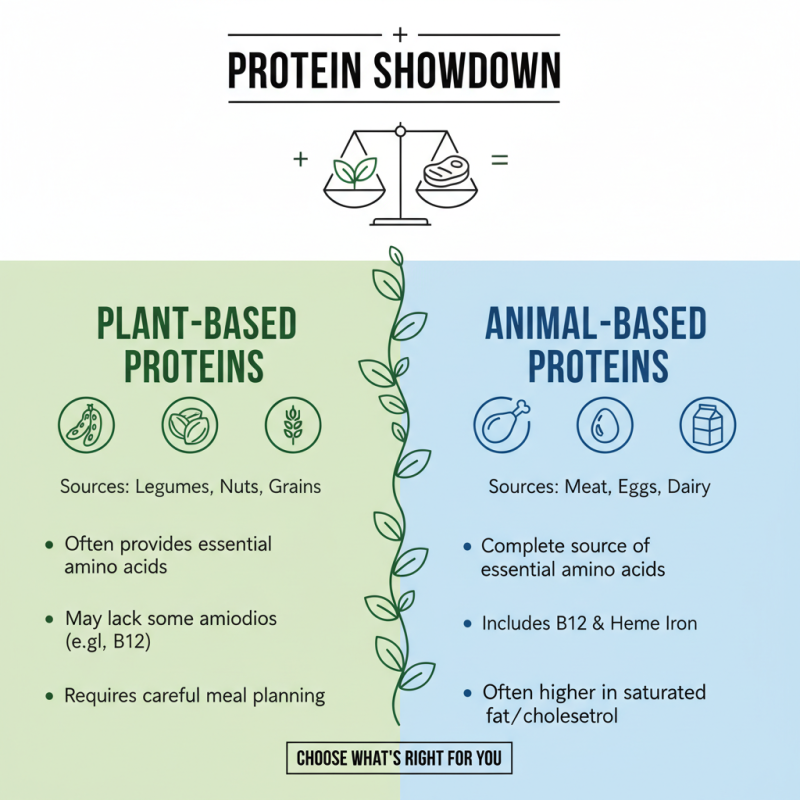
When comparing plant-based proteins to animal-based proteins, there are significant differences to consider. Plant proteins come from sources like legumes, nuts, and grains. They often provide essential amino acids but may lack some compared to animal sources. This can require careful meal planning, especially for those who are entirely plant-based.
Animal proteins, found in meat, dairy, and eggs, usually offer a complete amino acid profile and higher levels of certain nutrients, such as vitamin B12 and heme iron. However, they can also carry higher levels of saturated fat. This can lead to health issues in some individuals, prompting many to explore plant-based alternatives.
The shift to plant proteins may promote a more balanced, health-conscious lifestyle. Whole-food sources like lentils and quinoa provide fibers and antioxidants. Such benefits can improve digestion and potentially reduce disease risk. Yet, aligning plant protein intake with dietary needs is not straightforward. Some individuals may experience digestive discomfort when consuming high amounts of fiber. This leads to the necessity of gradual dietary adjustments to achieve optimal health outcomes.