Careers

How to Choose Whole Food Nutrition Products?

Choosing whole food nutrition products sounds simple, but the shelf often tells a different story. Powdered greens, protein bars, and fortified snacks can look equally convincing under bright store lights. A short ingredient list helps, but it does not automatically prove superior nutrition. Whole food nutrition should mean more than attractive packaging or the word “natural.” It should reflect recognizable ingredients, useful nutrient density, transparent sourcing, and a realistic role in the diet.

Market evidence shows why careful selection matters. McKinsey’s 2024 Future of Wellness research estimated the global wellness market at approximately $1.8 trillion. This growth attracts serious nutrition brands, but also creates crowded claims and confusing promises. The International Food Information Council’s 2024 Food & Health Survey reported that taste, price, and healthfulness strongly influence food choices. Consumers want better products, yet budgets and daily habits still matter. That is important. A product nobody enjoys or cannot afford rarely supports long-term health.

This guide will examine labels, ingredient quality, evidence, certifications, and serving practicality. Look closely. A protein product may provide 20 grams per serving, but its added sugars, sodium, and fiber still deserve attention. Third-party testing can improve confidence, although it cannot replace professional dietary advice. Even experienced shoppers make mistakes. I sometimes trust familiar branding too quickly. That shortcut needs questioning. Reliable choices begin with verified information, clear nutrition goals, and an honest view of how the product fits your meals. There is no perfect package. There is only a more informed choice.

How to Choose Whole Food Nutrition Products?

Understanding Whole Food Nutrition Products and Their Purpose

Whole food nutrition products are designed to provide nutrients from recognizable food sources. Their purpose is practical: they can support meals when time, appetite, or food access is limited. A powdered vegetable blend, for example, may fit into a morning smoothie. A protein product may help someone reach an adequate intake after exercise. These products should complement meals, not replace a varied diet.

Choosing well starts with the ingredient list. Look for clearly named foods, moderate serving sizes, and limited added sugar. Check protein, fiber, sodium, and allergen information against your personal needs. “Natural” does not automatically mean better. Neither does a long list of vitamins. I once assumed a product with more nutrients was more useful, but the serving size made it difficult to use consistently.

Consider your real routine. Will you mix it with yogurt, carry it to work, or forget it in a cupboard? Products with independent quality testing can offer additional confidence, although no label removes every uncertainty. People with allergies, medical conditions, or prescribed diets should ask a qualified healthcare professional before using concentrated nutrition products. Keep expectations realistic. Food quality still matters most.

Assessing Ingredients, Nutrient Quality, and Processing Levels

How to Choose Whole Food Nutrition Products?

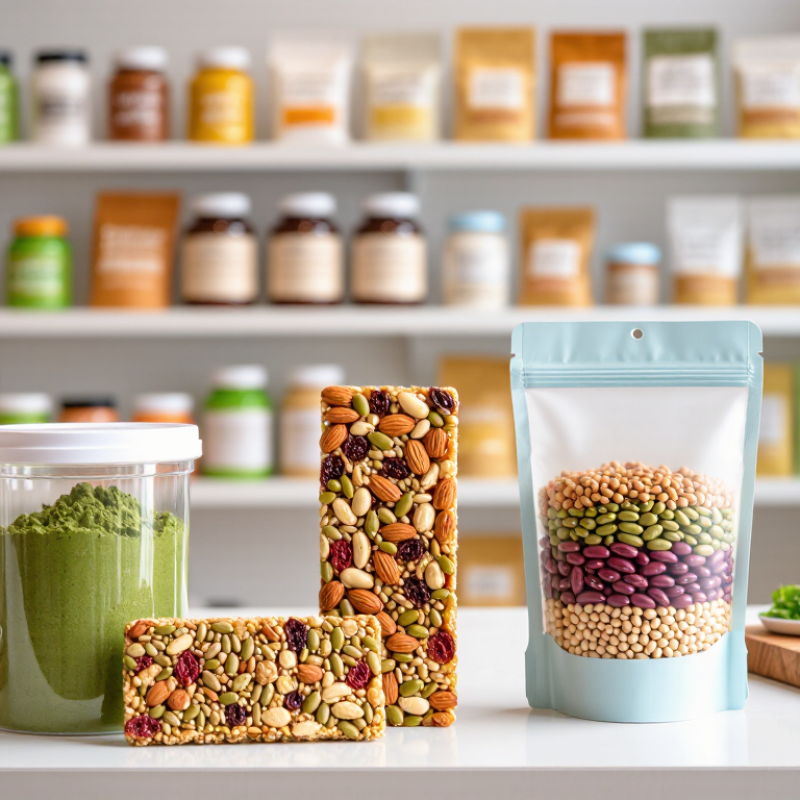
When comparing whole food nutrition products, I start with the ingredient list, not the front label. That habit has prevented several disappointing purchases. Ingredients appear by weight, so early entries matter most. Look for recognizable foods, such as oats, beans, seeds, vegetables, fruit, or unsweetened nuts. Be cautious when sugar, refined starch, or sodium appears near the beginning.

Nutrient quality requires more than counting calories. Check protein, fiber, vitamins, minerals, and the serving size together. A product may contain impressive nutrients but offer little fiber or excessive sweetener. Consider whether nutrients occur naturally or were added later. Added nutrients are not automatically inferior, but the full formula deserves attention. I once chose a product with high protein and ignored its low fiber. That was a useful mistake.

Processing levels can influence texture, shelf life, and digestion. Freezing, drying, milling, and pasteurization may preserve useful nutrients. Heavy processing can also create softer textures and longer ingredient lists. “Whole food” is not a perfect scientific category, so personal tolerance matters. My practical approach is simple: choose products with clear ingredients and minimal unnecessary processing.

Tips: Compare two labels side by side. Check serving sizes carefully. Notice the first five ingredients. Choose unsweetened options when possible. Store products according to safety instructions. Pay attention to how your body responds.

Matching Products to Personal Dietary Needs and Health Goals

How to Choose Whole Food Nutrition Products?

Choosing whole food nutrition products starts with your personal needs, not attractive packaging. A product may contain oats, seeds, fruit, or vegetables, yet still provide too much added sugar or sodium. Read the ingredient list carefully. Look for recognizable foods and a clear nutrition panel. Your goal matters too. Someone training for endurance may need more carbohydrates, while another person may prioritize protein, fiber, or convenient calories.

Consider allergies, digestion, age, activity level, and existing health conditions. A qualified dietitian or healthcare professional can help you interpret these factors safely. In practice, I have found that simple products are easier to use consistently. Still, “natural” does not automatically mean suitable. I once underestimated portion size because the package looked small. That mistake changed how I compare serving information.

Tips: Match the product to one specific purpose. Check protein, fiber, sugar, and sodium per serving. Choose transparent sourcing and reliable quality testing when available. Introduce one new product at a time, especially if your digestion is sensitive. Keep a brief note about energy, fullness, and comfort after eating. Your response may differ from general advice. Reassess after two weeks. Not every popular option deserves a permanent place in your routine.

Checking Safety, Certifications, Labels, and Portion Guidance

Choosing whole food nutrition products requires more than reading the front label. I start with the ingredient list, not the product image. Familiar foods should appear clearly, with limited sweeteners, colors, or unnecessary fillers. I also check allergens, storage instructions, expiration dates, and the lot number. A sealed package matters.

Certifications can support trust, but logos are not proof by themselves. I look for the certifying organization and verify what its seal actually covers. Some certifications assess manufacturing, while others examine ingredients or testing procedures. Independent testing for contaminants, heavy metals, or microbes can add useful evidence. Still, no label answers every question.

Portion guidance deserves careful attention. One scoop may not equal one serving. I compare the serving size with the nutrition amounts and my usual diet. I avoid doubling portions because a product feels natural. “Whole food” does not automatically mean suitable for everyone. A dietitian or qualified health professional can help when allergies, pregnancy, medication, or medical conditions are involved.

Small details matter. My own mistake was measuring by sight instead of using the included scoop. That made comparison difficult. I now record the serving size and watch how my body responds. Results vary. Packaging can also change, so I recheck labels instead of trusting an old purchase.

How to Choose Whole Food Nutrition Products? - Checking Safety, Certifications, Labels, and Portion Guidance

Evaluation Dimension What to Check Reliable Information or Practical Benchmark Why It Matters Recommended Action
Product Identity The product name, form, net quantity, serving size, and intended use should be clearly stated. Look for a specific description such as powder, capsule, bar, or dried food rather than a vague “wellness” claim. Clear identity helps you compare similar products and avoid confusing a food with a concentrated supplement. Select a product whose purpose and format match your dietary needs.
Ingredient List Review all ingredients in descending order by weight and identify added sugars, sweeteners, oils, colors, and preservatives. Ingredients should be recognizable where possible, and allergens should be declared according to local labeling rules. The ingredient list reveals what the product actually contains, including components not emphasized on the front label. Avoid ingredients that conflict with allergies, intolerances, medical conditions, or personal dietary restrictions.
Nutrition Facts Compare calories, protein, fiber, total sugars, added sugars, sodium, and relevant vitamins or minerals per serving. Use the serving size and the % Daily Value together; Daily Values are reference amounts and are not individualized prescriptions. A product may appear nutrient-dense but also provide substantial sugar, sodium, calories, or concentrated nutrients. Compare products using the same serving basis and prioritize nutrients relevant to your goals.
Whole-Food Content Determine whether the product contains minimally processed food ingredients or mainly isolated nutrients and extracts. A short list of identifiable food ingredients can support transparency, but “natural” or “whole food” wording alone does not prove superior nutrition. Processing level and ingredient form affect how the product fits into an overall balanced diet. Use packaged products to complement, not routinely replace, varied whole foods such as vegetables, fruits, grains, legumes, nuts, and seeds.
Allergen Information Check for major allergens, shared-equipment statements, and suitability for gluten-free, dairy-free, vegan, or other requirements. “May contain” or “made in a facility that also processes” statements indicate possible cross-contact, not necessarily an ingredient. Cross-contact can be important for people with food allergies or medically diagnosed sensitivities. If you have a severe allergy, contact the manufacturer and follow advice from a qualified healthcare professional.
Manufacturing Controls Look for evidence that the product is manufactured under documented quality and sanitation procedures. In the United States, dietary supplement manufacturers are expected to follow current Good Manufacturing Practice requirements; equivalent controls vary by jurisdiction. Manufacturing controls help reduce risks from contamination, incorrect ingredients, and inaccurate product specifications. Prefer products with accessible quality information and a clear way to report questions or adverse events.
Independent Certification Check whether an independent organization verifies identity, purity, contaminants, or manufacturing processes. Recognized programs may test for contaminants or confirm that contents match the label. Certification scope differs, and no seal guarantees effectiveness. Independent verification can provide additional quality assurance beyond the manufacturer’s own statements. Read what the specific certification covers instead of relying on a seal alone.
Third-Party Testing Look for testing information related to microbial contamination, heavy metals, pesticides, allergens, or ingredient identity. A credible certificate of analysis should identify the tested batch or lot, test method, date, and results or acceptance criteria. Testing can help verify product quality, especially for concentrated powders, botanicals, and products vulnerable to contamination. Treat broad statements such as “lab tested” as incomplete unless the testing scope is explained.
Claims and Evidence Separate nutrition claims from disease-treatment claims and review whether benefits are supported by credible evidence. Terms such as “supports,” “boosts,” or “detox” may be marketing language and do not establish clinical effectiveness. A product’s wording can create expectations that exceed the available evidence or its legal status. Be cautious of guaranteed results, rapid transformations, “cure” claims, or claims that one product replaces medical care.
Serving and Portion Size Review the serving size, servings per container, preparation directions, and the amount supplied by one scoop, bar, packet, or capsule. Do not assume that one package, scoop, or capsule equals one serving. Measuring tools should be used as directed. Portion errors can substantially change calorie, sugar, caffeine, vitamin, mineral, or other nutrient intake. Measure portions consistently and include the product’s nutrients in your total daily intake.
Upper Intake Limits Consider total intake from food, beverages, fortified products, and supplements when evaluating concentrated nutrients. For nutrients with established Tolerable Upper Intake Levels, staying below the UL helps reduce risk for the general population; ULs do not apply to every nutrient or every person. Taking multiple products with overlapping nutrients can unintentionally produce excessive intake. Avoid combining high-dose products without professional guidance, particularly for fat-soluble vitamins and minerals.
Caffeine and Stimulants Identify caffeine from coffee, tea, cocoa, guarana, green tea extract, or other stimulant ingredients. Total daily caffeine includes all sources. Individual sensitivity varies, and pregnancy, certain conditions, and medications may require lower limits. Excessive caffeine may cause sleep disturbance, nervousness, rapid heartbeat, or other adverse effects. Track total intake and seek professional advice if you are pregnant, under 18, sensitive to caffeine, or taking interacting medicines.
Date and Traceability Check the expiration or best-before date, lot or batch number, storage instructions, and contact information. A traceable lot number and intact packaging are important for identifying products if a quality issue or recall occurs. Heat, moisture, light, and time can affect quality and stability. Do not use products with damaged seals, unusual odor, visible contamination, or an unclear date.
Storage and Handling Follow storage instructions and consider whether the product requires refrigeration after opening. Many powders and bars should be kept tightly closed in a cool, dry place; exact requirements depend on the product. Improper storage can increase moisture, oxidation, microbial growth, or nutrient degradation. Use clean, dry utensils and close the container promptly after each use.
Personal Suitability Consider age, pregnancy or breastfeeding, allergies, kidney or liver disease, dietary restrictions, and prescription medicines. Food-based products and supplements can still interact with medicines or be unsuitable for specific medical conditions. “Food-based” does not automatically mean risk-free for every individual. Consult a doctor or registered dietitian before use when a medical condition, medication, pregnancy, or breastfeeding is involved.
Value and Transparency Compare price per serving, nutrient amount per serving, ingredient quality, testing information, and serving frequency. The lowest price is not necessarily the best value if the serving size is unusually small or important information is missing. A transparent comparison reduces the chance of paying for marketing language rather than useful nutrition. Choose the product with clear labeling, appropriate nutrition, and a reasonable cost for regular use.
Important: Whole food nutrition products should support an overall balanced eating pattern, not replace professional diagnosis or treatment. Always follow the product label and seek individualized advice when you have a medical condition, take medication, or are pregnant or breastfeeding.

Comparing Product Quality, Sustainability, and Overall Value

Choosing whole food nutrition products requires more than reading a “natural” label. I compare ingredient lists, processing methods, and independent test evidence. The U.S. National Institutes of Health notes that supplements may contain active ingredients with strong biological effects. Therefore, dosage, allergen controls, and contaminant testing matter. A clear certificate of analysis is useful, although it is not perfect proof of quality. I still check whether the report matches the specific batch.

Sustainability changes the value calculation. The United Nations Environment Programme’s Food Waste Index Report 2024 estimates that wasted food creates 8–10% of global greenhouse-gas emissions. Products using edible whole-food ingredients, efficient packaging, and realistic serving sizes may reduce unnecessary waste. However, “eco-friendly” packaging can hide trade-offs. A compostable pouch is not automatically better if local facilities cannot process it. Supply-chain transparency matters more than attractive claims.

Price should be measured per useful nutrient, not per package. PwC’s Voice of the Consumer Survey 2024 found that consumers were willing to pay about 9.7% more for sustainably produced goods. That premium may be reasonable when testing, sourcing, and packaging are documented. Still, expensive does not mean superior. I look for adequate protein, fiber, or micronutrients without excessive sweeteners. Short ingredient lists help. Yet some simple products taste poor, and I may waste them unused. Personal fit is part of value, but it is easy to underestimate.