



Careers
How to Source Organic Snack Foods Globally?
Sourcing organic snack foods globally requires more than comparing prices and product photos. Buyers must connect ingredient quality, supplier capability, certification status, and dependable logistics. A promising factory can still fail when documentation is incomplete or production schedules change without warning.
In practice, a useful sourcing process begins with a clear product brief. Define ingredients, allergen controls, packaging materials, shelf life, target markets, and acceptable certifications. Request current organic certificates, audit reports, product specifications, laboratory results, and traceability records. Check whether the certificate covers the exact facility and product line. Paperwork can look convincing.
Visit the facility when possible, or arrange a credible independent audit. Look for clean production zones, labeled storage, pest-control records, and separated organic ingredients. Ask how the supplier handles rejected batches and recalls. Small details matter. A damaged carton may reveal weak warehouse controls.
Global sourcing also depends on practical verification. Compare samples from different production lots, not only one impressive shipment. Confirm moisture, texture, flavor consistency, and packaging performance. Review shipping routes, minimum order quantities, lead times, and temperature requirements before signing agreements. Local import rules and labeling requirements must be checked with qualified professionals.
No supplier file is perfect. Some risks remain hidden until the relationship is tested. A careful buyer therefore keeps communication documented, reviews performance regularly, and avoids relying on certification alone. The strongest sourcing strategy balances trust with evidence, while leaving room to question assumptions and improve decisions.
Define Organic Snack Categories and Global Sourcing Goals
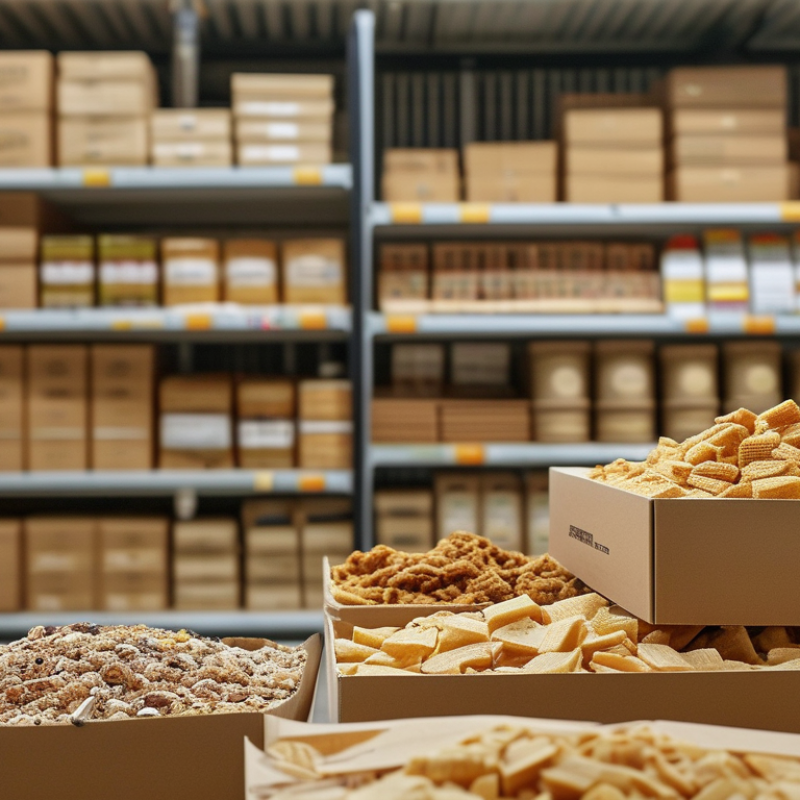
Organic snack sourcing begins with a precise category map. Separate dried fruit, roasted seeds, grain bars, vegetable crisps, and minimally processed bites. Each group needs different moisture, shelf-life, and contamination controls. “Organic” should describe verified production, not attractive packaging. Define whether the range excludes added sugar, allergens, palm-derived ingredients, or animal products. These choices affect suppliers, testing, and market access.
Set sourcing goals that procurement teams can measure. A practical brief might require certified organic farms, full lot traceability, and harvest records for every shipment. Add targets for moisture levels, breakage rates, lead time, and acceptable pesticide residues under destination-country rules. Small suppliers may offer unusual crops, but their documentation can be uneven. That risk needs an audit plan, not a vague promise. Request certificates directly, check issuing bodies, and compare records with laboratory results. Leave room for seasonal variation.
I have found that buyers often define “global” too broadly.
A lower purchase price can hide freight delays, weak storage, or excessive packaging. Map supply regions against climate, ports, harvest calendars, and political stability. Then score suppliers for food safety, labor practices, capacity, and communication speed. Keep a reserve supplier for critical ingredients. It may increase cost. Still, resilience matters when one crop fails or a shipment arrives soft. Our category list may also need revision after pilot samples, customer feedback, and a failed shelf-life test.
Research International Organic Snack Markets and Consumer Demand
Sourcing organic snack foods globally starts with understanding local demand, not simply finding the lowest factory quote. Research should compare purchase frequency, preferred flavors, pack sizes, and acceptable price points. In one market, parents may seek low-sugar fruit bites for school bags. In another, shoppers may prefer savory seed crackers with clear ingredient lists. These differences shape product selection.
Reliable research combines several sources. Review organic retail data, customs statistics, consumer surveys, and search behavior, then test those findings through store visits. Speak with distributors, nutrition professionals, and shoppers across different income groups. Ask what “organic” means to them and which claims they trust. Certification rules and labeling expectations vary by market, so verify requirements with qualified local advisers before negotiating supply. I would also inspect shelves personally: note package damage, humidity control, shelf position, and competitor prices. Small details often expose weak assumptions.
My first demand forecast would remain provisional. Online interest can look strong while repeat purchases stay modest. Sampling sessions may reveal that a popular flavor feels too dry after three bites. That feedback is uncomfortable but useful. Run small, traceable trials before committing to large volumes. Record lot information, sensory comments, delivery times, and customer complaints. Review the results with suppliers and revise the specification when evidence changes. A beautiful concept is not enough. It must survive real kitchens, real shelves, and real budgets.
Verify Suppliers, Certifications, Ingredients, and Production Standards
How to Source Organic Snack Foods Globally?
Global organic snack sourcing requires more than a supplier’s attractive certificate. The World of Organic Agriculture 2024 reported that the global organic market reached €134.8 billion in 2022. Organic farmland also covered 96.4 million hectares. Demand is growing, but verification must grow faster.
Start by checking the certificate number with the issuing authority. Confirm the factory address, product scope, validity dates, and processing activities. A certificate alone is not proof. Request ingredient specifications, country-of-origin records, allergen controls, and batch-level traceability. Check whether “organic” applies to every ingredient or only the main component. Small details matter. An oat bar may contain organic oats but non-organic syrup or flavoring.
Review production controls against HACCP principles and ISO 22000 requirements. Ask for recent pesticide-residue, microbiological, and heavy-metal test reports from competent laboratories. The certificate should match the actual production site, not only a trading office. The Food and Agriculture Organization emphasizes traceability and food-control systems as essential to safer supply chains. Still, documents can become outdated quickly. Recheck them before each major shipment.
Factory audits should include storage rooms, cleaning records, pest-control logs, and employee hygiene practices. Photographing sealed ingredient bags can reveal more than a polished presentation. I have seen sourcing reviews focus heavily on paperwork and miss inconsistent batch coding. That is a useful warning. Perfect files do not guarantee perfect production.
Compare Costs, Logistics, Import Rules, and Supply Chain Risks
Sourcing organic snack foods globally requires more than comparing supplier prices. A lower factory quote may hide certification audits, packaging changes, testing fees, and higher minimum orders. Request a complete landed-cost estimate, including freight, insurance, customs duties, storage, and local inspection charges. Currency movement can also change your margin before the shipment arrives. I once underestimated port storage fees, and the saving disappeared quickly.
Logistics depend on the product. Dried fruit may tolerate standard containers, while bars with oils can soften during hot transit. Confirm shelf life at delivery, not only at production. Use batch codes, moisture controls, and temperature records when necessary. Import rules also vary by destination. Check organic certification recognition, ingredient restrictions, allergen declarations, language requirements, and permitted health claims with a qualified customs or regulatory specialist. Documents should match precisely. A small mismatch can delay clearance.
Tips: Build a supplier scorecard covering cost, certification history, lead time, complaint response, and backup capacity. Ask for recent audit evidence and traceability records. Test a small shipment before signing a large contract. Keep alternative suppliers in different regions, but do not assume geographic diversity removes every risk. Political disruption, drought, crop disease, and port congestion can affect several countries at once. Review your assumptions every quarter. Some forecasts will be wrong, and that is useful information when your risk plan allows honest correction.
How to Source Organic Snack Foods Globally? - Compare Costs, Logistics, Import Rules, and Supply Chain Risks
| Sourcing Route & Typical Products | Indicative Organic Ingredient / Ex-Works Cost | Typical Transport Profile | Indicative Freight & Handling Cost | Import & Organic-Control Requirements | Main Supply-Chain Risks | Indicative Landed-Cost Impact | Best Use Case |
|---|---|---|---|---|---|---|---|
| North America → United States Organic oats, granola bases, seed snacks and dried-fruit mixes |
Approximately US$1.20–3.50/kg for bulk organic grains, seeds or fruit ingredients; finished snacks are substantially higher. | Truck or rail for regional supply; generally 1–7 days before final delivery, depending on origin and border crossing. | About US$0.05–0.25/kg for regional freight and handling, excluding warehousing and retailer-specific fees. | Food-facility registration and prior-notice obligations may apply. Organic claims require compliance with the destination organic standard, approved certification, traceability and compliant labeling. | Drought, crop-price volatility, allergen cross-contact, salmonella or mycotoxin contamination, and inconsistent certification records. | Low to moderate; short transit reduces inventory, ocean exposure and working-capital costs. | Fast replenishment, private-label production and products with high service-level requirements. |
| European Union → European Union Organic biscuits, cereal bars, roasted nuts and fruit snacks |
Approximately €1.50–5.00/kg for bulk organic snack ingredients; finished products depend on recipe, packaging and processing. | Road freight is usually the main mode; typical transit is 1–6 days within major European corridors. | Approximately €0.05–0.30/kg for cross-border road freight at efficient pallet or truck utilization. | EU organic production and labeling rules apply. Food information, allergen declaration, traceability, hygiene controls and contaminant limits must be met in the selling market. | Heat and drought affecting cereals or fruit, energy costs for processing, packaging-regulation changes and short-notice transport capacity constraints. | Low for intra-EU trade because border administration and transit distance are generally limited. | Frequent deliveries, broad product ranges and retailers requiring short lead times. |
| Turkey or Eastern Mediterranean → European Union Dried fruit, sesame snacks, nut bars and baked goods |
Approximately €1.30–4.50/kg for bulk organic ingredients, with seasonal variation for fruit, nuts and seeds. | Road or short-sea freight; normally 5–18 days, plus customs and inspection time. | Approximately €0.15–0.55/kg, excluding duty, customs brokerage, testing and possible border delays. | EU organic imports generally require an electronic certificate of inspection, recognized organic control, correct tariff classification, customs documentation and compliant labeling. | Aflatoxins in nuts and dried fruit, pesticide residues, drought, border congestion, currency movements and gaps between supplier and importer certification records. | Moderate; attractive ingredient pricing can be offset by testing, border time and compliance administration. | Shelf-stable products where ingredient cost is more important than ultra-short replenishment. |
| South America → United States or European Union Organic cocoa, bananas, coffee snacks, quinoa and tropical fruit |
Approximately US$2.00–7.00/kg for bulk organic specialty ingredients; crop, certification and processing level strongly affect price. | Ocean freight is standard; typical port-to-port transit is 15–35 days, with additional inland transport and clearance time. | Approximately US$0.20–0.70/kg for ocean freight, port handling and inland movement under normal container conditions. | Destination-country food-import rules, organic certification equivalence or recognition, phytosanitary documents where applicable, residue testing and traceability are required. | El Niño-related weather, port disruption, deforestation or labor due-diligence concerns, moisture damage, long lead times and commodity-price volatility. | Moderate to high; freight is manageable for high-value ingredients but inventory and quality-control costs are significant. | Premium snack recipes, cocoa-based products and differentiated tropical ingredients with strong margins. |
| South Asia → United States or European Union Organic chickpea snacks, rice products, spices, mango and coconut snacks |
Approximately US$1.50–5.50/kg for bulk organic ingredients; processed and individually packed snacks carry additional conversion and packaging costs. | Ocean freight normally takes 20–45 days port-to-port; air freight is faster but usually uneconomical for low-value snacks. | Approximately US$0.25–0.85/kg, depending on port pair, container utilization, season and surcharge levels. | Import notification, food-safety documentation, organic certificates, pesticide and contaminant testing, allergen controls and destination-language labels may be required. | Pesticide residues, aflatoxins, monsoon disruption, port congestion, power interruptions, variable batch quality and higher audit requirements. | Moderate to high; lower factory costs may be offset by testing, longer inventory cycles and higher rejection exposure. | Large-volume shelf-stable products with documented supplier quality systems and flexible delivery schedules. |
| East Asia → United States or European Union Rice crackers, seaweed snacks, sesame products and fruit-based confectionery |
Approximately US$2.00–6.50/kg for bulk or finished organic snack products, depending on processing and packaging complexity. | Ocean freight generally takes 18–40 days; port congestion and transshipment can extend total lead time. | Approximately US$0.20–0.80/kg, excluding duties, destination charges, customs brokerage and inland delivery. | Food-import registration or prior notice may apply. Organic certification, product composition, allergen declarations, contaminant limits and destination-market labeling must be verified. | Typhoons, earthquake disruption, shipping-rate spikes, moisture or oxidation during transit, heavy-metal concerns for some marine ingredients and packaging-compliance changes. | Moderate to high; product differentiation can justify freight, but long transit increases safety-stock requirements. | Distinctive formats and premium snacks with stable demand forecasting and adequate safety stock. |
| Oceania → Asia, United States or European Union Organic nuts, dried fruit, oats, seed clusters and grain-based snacks |
Approximately US$2.50–8.00/kg for bulk organic ingredients; nuts and specialty crops are usually at the upper end of the range. | Ocean freight normally takes 12–35 days, depending on destination and transshipment. | Approximately US$0.25–0.90/kg, with higher costs for distant destinations or less-than-container-load shipments. | Biosecurity or phytosanitary controls can be strict. Organic documentation, residue compliance, customs declarations and country-specific food labeling are required. | Bushfires, drought, water scarcity, seasonal crop concentration, quarantine delays and relatively high inland transport costs. | Moderate to high; premium quality may offset transport costs, but supply is often seasonal. | Premium positioning, traceable ingredients and products where quality consistency is more important than the lowest unit price. |
Establish Quality Control, Contracts, and Ongoing Supplier Management
Global organic sourcing needs more than a valid certificate. The 2024 FiBL-IFOAM report valued the global organic food market at approximately €135 billion in 2022. It also recorded 96.4 million hectares under organic management. This scale increases supply opportunities, but it also increases verification risk.
Quality control should begin with a written product specification. Define permitted ingredients, pesticide limits, allergens, moisture, microbiological limits, packaging, and shelf life. Request current organic certificates, transaction documents, laboratory results, and traceability records.
Test products through independent laboratories before shipment and during routine production. Keep records. GFSI guidance supports risk-based verification, but a certificate alone cannot prove every batch is compliant. Sampling plans should reflect product risk, origin, processing steps, and previous deviations. Small details matter.
Contracts should include inspection rights, approved subcontractors, change-notification duties, recall procedures, delivery tolerances, and corrective-action deadlines. Payment terms can link part of the balance to accepted quality documents. Supplier scorecards should track defects, late deliveries, audit findings, response speed, and certification status each quarter.
The 2023 FAO report continues to identify traceability and resilient food chains as important controls during supply disruptions. Still, scorecards can create false confidence. A supplier may perform well for six months, then change a processor without notice.
Monthly communication, occasional unannounced checks, and documented improvement plans keep oversight practical. Review the system honestly. Some controls will fail.
Related Posts
-
Top 10 Healthy Beverage Options in China for a Better Lifestyle?
-
How to Source Quality Plant Based Foods for Global Business?
-
Top 10 Healthy Snack Foods for Global Buyers to Consider
-

How to Choose Healthy Beverage Options for Better Hydration?
-
Why Choose a Plant Based Diet for Better Health and Sustainability?
-
How to Make Healthy Food Choices in 2026 for Global Buyers?