Why Choose a Plant Based Diet for Better Health and Sustainability?
A plant based diet offers numerous benefits for both individual health and our planet. As more people adopt this way of eating, the positive impacts become increasingly clear. This diet emphasizes whole, plant foods while minimizing animal products. Research shows it can lower the risk of chronic diseases. It can also improve digestion and boost energy levels.
Beyond personal health, choosing a plant based diet contributes to sustainability. It reduces greenhouse gas emissions and lessens water usage. Many people are unaware of the environmental costs of meat production. Yet, the change to a more plant-focused diet can help mitigate these effects in significant ways.
Adopting a plant based diet prompts reflection on our food choices. With many delicious options available, it challenges us to explore new flavors. However, transitioning might be difficult for some. There’s a need for balance in diet and lifestyle. Embracing this shift requires patience and adaptability. The journey is not always easy, but the rewards are substantial.

Benefits of a Plant-Based Diet for Physical Health Improvement
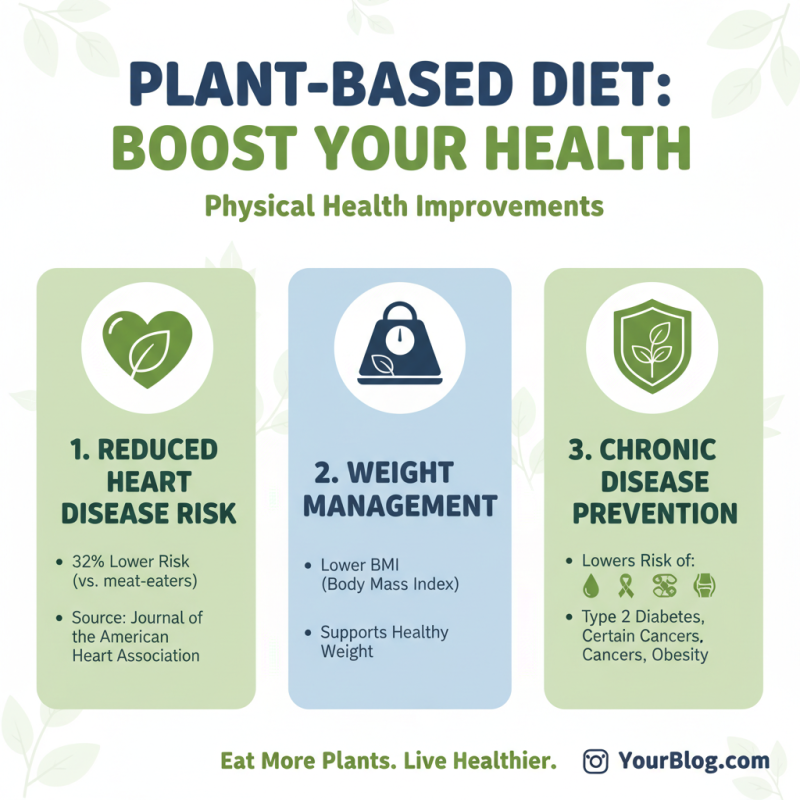
A plant-based diet offers numerous benefits for physical health, making it an attractive choice for many. Research indicates that such diets can reduce the risk of chronic diseases. A study published in the Journal of the American Heart Association found that plant-based eaters have a 32% lower risk of developing heart disease compared to those who consume meat regularly. Additionally, adopting a plant-based diet can help with weight management. The same study highlighted that individuals on this diet often have a lower body mass index (BMI).
Moreover, this dietary approach is linked to improved gut health. A report from the American Journal of Clinical Nutrition noted that plant-based diets are high in fiber, which nourishes beneficial gut bacteria. Increased fiber intake is associated with better digestion and can lower inflammation levels in the body. Inflammation is a key player in many diseases, including diabetes and certain cancers.
Despite these advantages, transitioning to a plant-based diet can be challenging. Some may struggle with cravings or find it hard to get sufficient protein. An awareness of these potential hurdles is crucial. Individual dietary needs vary widely, and it's essential to address personal preferences and nutritional adequacy. Consulting a healthcare professional can provide useful insights for those considering this lifestyle change.
Impact of Plant-Based Diet on Chronic Disease Prevention
A plant-based diet plays a crucial role in chronic disease prevention. Research indicates that consuming more plant foods can lower the risk of heart disease, diabetes, and certain cancers. A study published in the Journal of the American College of Cardiology found that individuals adhering to plant-based diets had a 40% lower risk of heart disease. Furthermore, the World Health Organization classifies red and processed meats as probable carcinogens. Plant-based diets rich in whole grains, fruits, and vegetables are linked to lower inflammation levels and improved insulin sensitivity.
Eating a variety of colorful vegetables can enhance nutritional intake. Incorporating legumes, nuts, and seeds brings essential proteins and healthy fats. Aim for at least five servings of fruits and vegetables daily. Try swapping meat with beans in your favorite recipes. This simple shift can benefit your health immensely.
It is essential to approach a plant-based diet with awareness. Not all plant-based foods are inherently healthy. Processed foods labeled as plant-based may contain high sugar or unhealthy fats. Always read labels and prioritize whole, unprocessed foods. Balance is key; some may find it challenging to meet protein needs without careful planning. A well-structured diet can help ensure you receive necessary nutrients while enjoying the benefits of plant-based eating.
Why Choose a Plant Based Diet for Better Health and Sustainability? - Impact of Plant-Based Diet on Chronic Disease Prevention
| Health Benefit |
Impact on Chronic Diseases |
Nutrient Source |
Sustainability Score (1-10) |
| Lower Blood Pressure |
Reduces hypertension risk |
Leafy greens, legumes |
8 |
| Weight Management |
Supports healthy weight |
Fruits, vegetables, grains |
9 |
| Reduced Diabetes Risk |
Lowers the risk of type 2 diabetes |
Whole grains, nuts |
7 |
| Heart Health |
Reduces cardiovascular diseases |
Avocados, seeds |
8 |
| Cancer Prevention |
May lower certain cancer risks |
Cruciferous vegetables, berries |
7 |
Environmental Sustainability: How Plant Diets Reduce Carbon Footprint
A plant-based diet significantly contributes to environmental sustainability. Eating more plants means reducing our reliance on animal agriculture, which is a major source of greenhouse gas emissions. Livestock farming alone accounts for nearly 14.5% of global emissions. This impact is profound. Transitioning to a plant diet can lead to lower carbon footprints for individuals and families.
Shifting diets can be challenging. Many find it hard to let go of familiar foods. However, replacing meat with lentils, beans, and vegetables can lower emissions. These food sources require less land and water, making them more efficient. For instance, producing one kilogram of beef requires nearly 15,000 liters of water. In contrast, the production of lentils requires only about 50 liters.
Our choices matter. Small changes can create a ripple effect. If more people choose plant-based options, demand for animal products may decline. This, in turn, could lead to less deforestation and habitat destruction. Reflecting on these choices is vital to foster a sustainable future. Each plate has the potential to make a difference.
Impact of Plant-Based Diet on Carbon Footprint
The chart below illustrates the average carbon footprint (in kg CO2-equivalent) per serving of various types of diets. It highlights the environmental benefits of adopting a plant-based diet compared to meat and dairy-based diets.
Economic Advantages of Adopting a Plant-Based Lifestyle
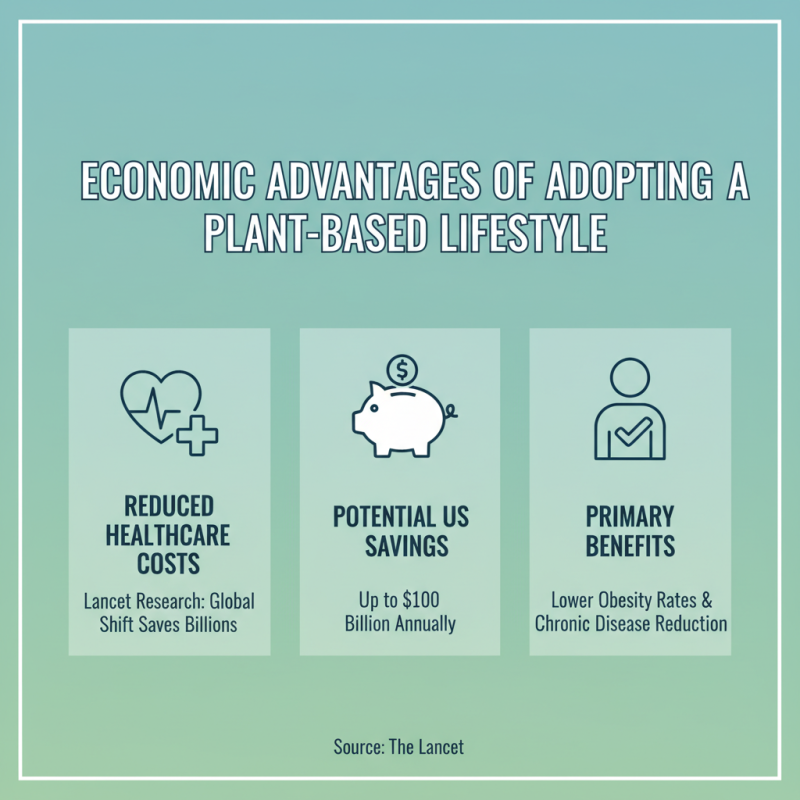
Adopting a plant-based lifestyle offers significant economic advantages that many overlook. According to research from the Lancet, a global shift towards plant-based diets could reduce health care costs substantially. A study found that switching to a plant-based diet could save around $100 billion annually in the U.S. alone, primarily from decreased rates of chronic diseases. These savings stem from lower obesity rates and reduced health issues linked to excessive meat consumption.
Food affordability is another compelling reason. A plant-based diet often costs less than a meat-based one. According to the Food and Agriculture Organization (FAO), staple plant foods—like beans, grains, and vegetables—are generally cheaper than meat and dairy products. This shift not only supports personal budgets but also contributes to global food security. Choosing seasonal and local produce can further enhance savings and sustainability.
Tip: Start small by incorporating one meatless meal each week. This gradual transition can help you adjust to new recipes and flavors. Explore local farmers’ markets for affordable, fresh produce. Remember, while plant-based diets can be economical, they require intentional planning to ensure nutritional balance. Research shows that five out of ten people struggle to get enough protein on plant diets. Consider combining legumes and grains for complete protein sources.
Culinary Diversity: Exploring Plant-Based Food Options and Recipes
Exploring plant-based food options opens a world of culinary diversity. Researchers from the Journal of Nutritional Science highlight that diverse diets can significantly improve health. A plant-based diet offers not just nutrition but creativity. From vibrant salads to hearty lentil stews, the possibilities are endless. Ingredients like quinoa, chickpeas, and seasonal vegetables can create satisfying meals.
A study by the Good Food Institute found that plant-based foods are projected to grow by 25% by 2025. This growth reflects a rising interest in sustainable eating. With ingredients from different cultures, we can create culinary fusion, combining flavors from around the world. Think of a spicy Thai curry made with coconut milk and tofu, or a Mediterranean grain bowl with roasted vegetables and tahini.
Despite the vast choices, there can be challenges. Not everyone is familiar with plant-based cooking. Experimenting with unfamiliar ingredients may lead to missed flavors. Resources like community cooking classes can help bridge this gap. With practice, the complex flavors of plant-based dishes can be mastered. Embracing this journey offers an opportunity to learn and grow.