Top Non Dairy Beverage Suppliers in China for Global Buyers
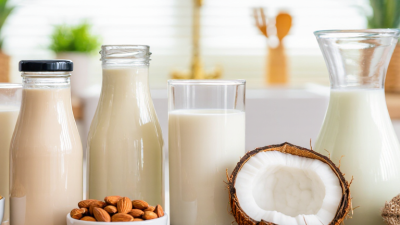
Global buyers exploring non dairy beverages often find a wide range of options in China, from soy and oat drinks to coconut and almond-based products. The range is appealing, but a product name alone says little about its ingredients, taste, or performance in transit. A creamy oat drink may suit café menus, while a lighter soy beverage may fit everyday retail shelves. Small differences in sweetness, texture, and packaging can shape customer response.
This guide introduces suppliers for international buyers and highlights practical points to check before requesting a quote. Look closely at ingredient specifications, sample quality, minimum order quantities, production capacity, and lead times. Ask how products are packed, such as in cartons or bottles, and confirm the stated shelf life and storage conditions. Request relevant quality documents and verify that they match the product and facility being offered. Details matter. A polished catalog is useful, but it cannot replace a sample or a clear conversation with the supplier. I have seen buyers focus heavily on price; it is understandable, though not always the best measure of value. Freight, consistency between batches, and communication can change the real cost. No supplier profile can answer every question. Use the information as a starting point, then check each detail against your market needs, sales channel, and product standards.
Market Context: GFI Reports $2.8B in U.S. Plant-Based Milk Sales in 2023
The Good Food Institute’s 2024 U.S. retail market report, drawing on SPINS data, puts 2023 plant-based milk sales at $2.8 billion. The category held about 15% of U.S. milk dollar sales. That is a substantial market, not a niche shelf experiment. Yet the figure needs context: dollar sales slipped around 2% from 2022, showing that growth is not guaranteed.
For global buyers evaluating non-dairy beverage suppliers in China, this U.S. benchmark signals both demand and pressure. Shoppers compare taste, price, texture, and ingredient lists in seconds. A carton that pours smoothly into coffee may serve a different need from one used in cereal. Buyers should request product specifications and samples, then test them in the intended market. Small differences matter.
The sales number does not reveal which ingredients drove repeat purchases, or how much was shaped by price changes. That gap matters. GFI’s retail data tracks sales, but it cannot replace local consumer testing or supplier audits. Buyers can use the $2.8 billion figure as a market reference, not a forecast for China. A careful tasting panel may be less impressive than a market-size chart, but often more useful.
China’s Supplier Landscape: Soy, Oat, Coconut, Almond, and Blended Beverages
China’s non-dairy beverage suppliers offer soy, oat, coconut, almond, and blended drinks, each with different sourcing needs. Soy has an established processing base. USDA’s Production, Supply and Distribution database estimates China produced 20.84 million metric tons of soybeans in 2023/24. However, total crop volume does not guarantee beverage-grade beans or consistent protein levels. Ask suppliers for specifications and batch test results.
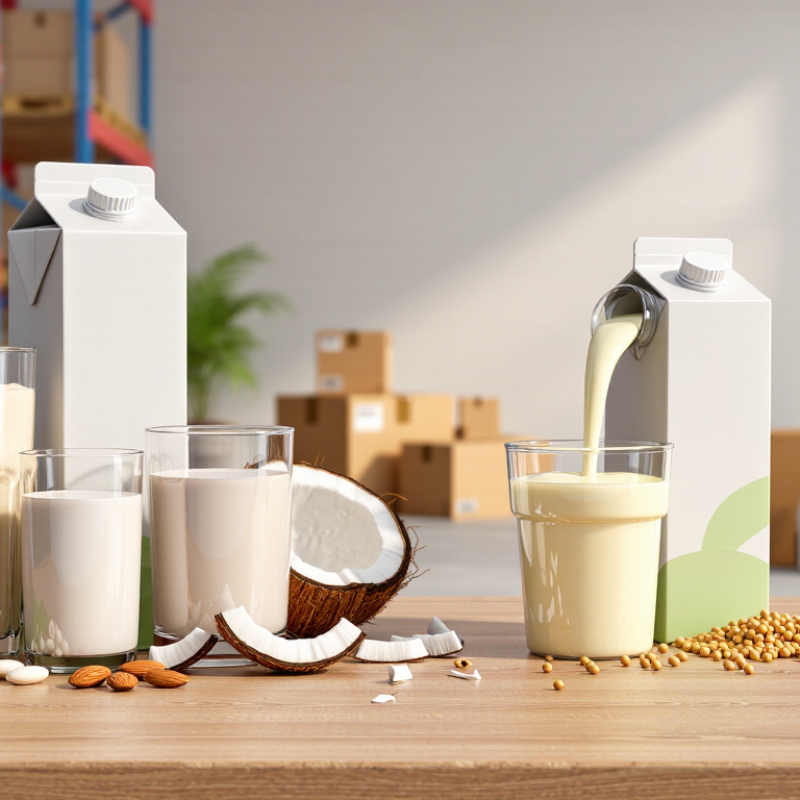
Oat drinks can be assessed for viscosity and enzyme-related sweetness, while coconut and almond beverages depend more on imported ingredient quality. Blends may balance flavor and cost, but recipes can vary between batches. The Good Food Institute and SPINS reported US plant-based milk sales of $2.8 billion in 2023, about 15% of milk-category dollar sales. This is a useful export-market benchmark, not a forecast for China.
Tips: Request samples from multiple production lots. Check sediment after refrigeration, carton integrity, and shelf-life data. Small details matter. A smooth sample today may not match next month’s shipment.
Leading Chinese Suppliers by Product Range, Capacity, and Export Markets
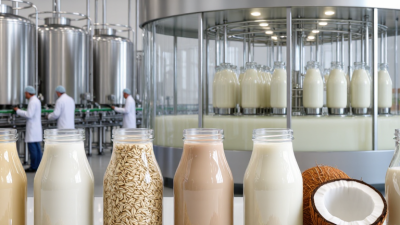
Chinese non-dairy beverage suppliers offer products such as oat, soy, rice, coconut, and almond drinks. Their ranges may include sweetened, unsweetened, fortified, and barista-style formulations. For global buyers, compare more than catalogue breadth. Ask about minimum order quantities, monthly output, and whether production lines handle different carton sizes. A quoted capacity can look impressive, but it does not confirm available production slots. Small details matter. Check sample stability, mouthfeel, and sediment after storage, not just taste on opening.
Export experience varies by supplier and destination. Some manufacturers ship shelf-stable beverages in aseptic cartons, while others focus on chilled products or regional markets. Ask which markets they currently serve and what export documents they can provide for your intended destination. Verify certifications and product specifications directly; requirements differ. Request a recent production sample and discuss lead times, packaging artwork, and change-control procedures before placing a large order. A factory audit can reveal useful details, though it may not predict every delivery issue. That part is easy to underestimate. Compare suppliers using the same questions, then weigh product fit, dependable capacity, and communication together.
Product and Safety Benchmarks: GB/T 31326-2014, GB 7101-2022, and Certifications
For global buyers, supplier review should begin with product classification, not a certificate logo. GB/T 31326-2014 provides a technical benchmark for plant-based beverages, while GB 7101-2022 sets mandatory food-safety requirements for beverages in China. They serve different purposes. Ask suppliers to identify the category used for each product and explain how its formula and processing fit that category.
Request current test reports that match the product and production site. Check the laboratory, sampling date, batch reference, and tested indicators. Review microbiological results, packaging integrity, and declared shelf life alongside ingredient and allergen records. A clean-looking certificate is not enough. Documents should connect clearly to the beverage being purchased, not just to a general factory system.
Certifications such as HACCP or ISO 22000 can support confidence in a supplier’s food-safety management, but they do not replace Chinese product requirements or independent verification. Confirm certificate scope, validity, and issuing body; then compare them with audit findings and corrective-action records. A useful detail is whether the supplier can trace a retained sample back to its batch. Even a strong file has gaps. Buyers should be candid about uncertainty, especially when a product’s classification or test coverage is unclear.
Buyer Comparison: MOQ, Protein Content, Shelf Life, and International Compliance
For global buyers, supplier comparisons should begin with the specification sheet, not the catalogue. MOQ is rarely universal: it changes with packaging, formulation, and production line. Request separate figures for pilot runs and repeat orders, plus the cost of printed cartons. The Good Food Institute’s 2023 U.S. retail report valued plant-based milk sales at about US$2.8 billion, showing strong category demand, but not guaranteeing demand for every export market.
Protein needs a clear basis. USDA FoodData Central entries show that protein varies considerably by beverage type and formulation; plain soy drinks generally provide more than many almond drinks. Compare grams per 100 millilitres, not vague “high-protein” claims. Ask for a recent certificate of analysis and confirm whether the figure is measured or calculated. Small differences matter on a nutrition panel.
Shelf life depends on heat treatment, packaging, and storage. Ask for validated unopened shelf life, required storage temperature, and remaining shelf life at shipment. A carton marked for ambient storage still needs transport checks. For compliance, match ingredient and allergen declarations to the destination market; EU shipments, for example, must meet Regulation (EU) No 1169/2011. Verify certificates and traceability records directly. One weak point in many comparisons is assuming a supplier’s standard label will work everywhere. It may not.
Top Non-Dairy Beverage Suppliers in China for Global Buyers
Buyer comparison: MOQ, protein content, shelf life, and international compliance
The chart shows indicative protein levels per 100 mL for common plant-based beverage types; recipes and product specifications vary by supplier. Compare MOQ in both cartons and production volume, since it depends on packaging and production runs. Unopened, aseptically packed ambient beverages commonly have a stated shelf life in the range of 6–12 months, subject to the product specification and validation. For export, confirm destination-market requirements and request relevant food-safety documentation, such as HACCP or GFSI-recognized certification, where applicable.