


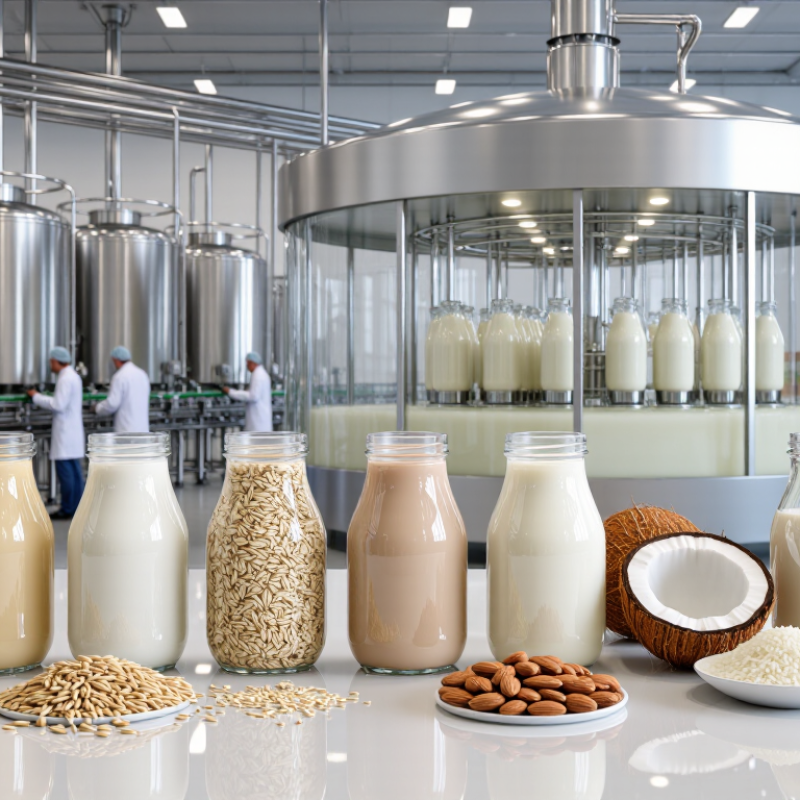
When comparing China’s top 10 plant-based beverage suppliers, production capacity needs more than a large monthly figure. Buyers should examine installed lines, actual utilization, and seasonal flexibility. A supplier producing 10,000 tons annually may have limited spare capacity during peak periods. Ask for line speeds, minimum order quantities, lead times, and backup arrangements. Visiting a facility can reveal practical details, such as clean filling zones, temperature-controlled storage, and clearly labeled batch areas. Capacity claims are not always comparable.
Quality systems show how consistently a supplier controls risk. Look for documented procedures covering raw material approval, allergen management, water testing, microbial analysis, and traceability. A reliable factory should connect each finished batch to ingredients, operators, and processing records. Certifications such as ISO 22000, HACCP, BRCGS, organic, or halal approval can support confidence, but certificates must be current and relevant to the production site. Check the certificate scope carefully. It may exclude the beverage line you need.
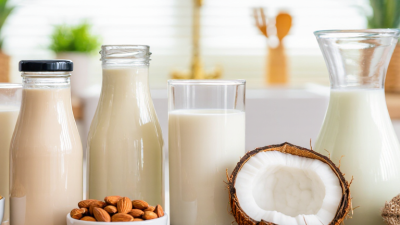
Independent laboratory reports add useful evidence for protein, sugar, heavy metals, and shelf life. Request recent reports rather than generic samples. Product development experience also matters, especially for oat, soy, almond, coconut, and blended formulas. A strong technical team can adjust viscosity, sedimentation, and heat stability without weakening flavor. Still, no supplier is perfect. Documents can look complete while factory execution remains uneven. Trial orders, pre-shipment inspections, and corrective-action records help expose that gap.