



Natural Organic Food Products & Ingredient Sourcing Company
Top 10 Plant Based Lifestyle Products for Global Buyers?
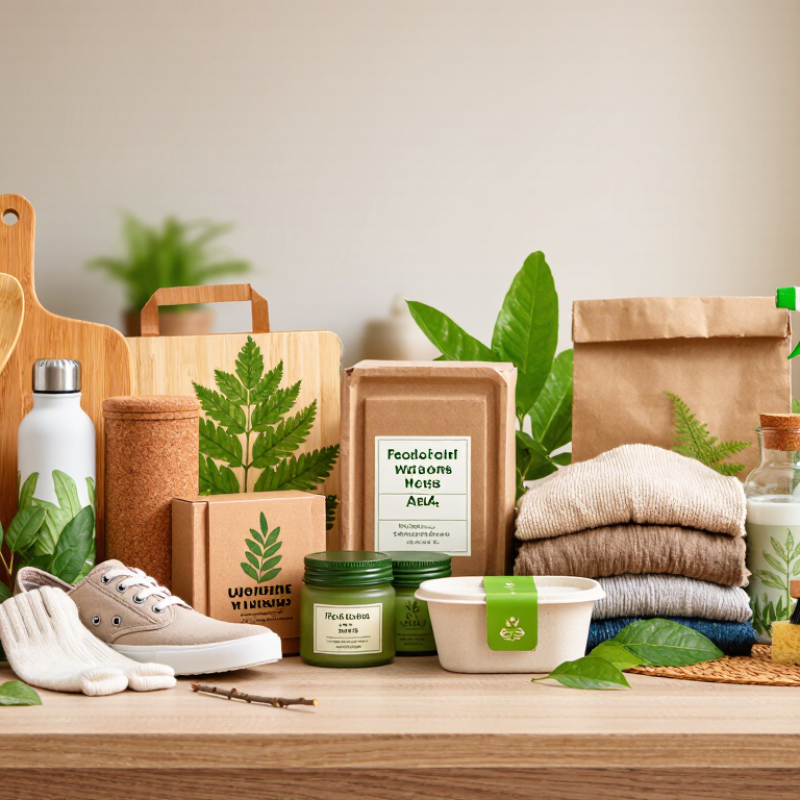
The plant based lifestyle has moved beyond food. It now influences clothing, personal care, home goods, travel accessories, and everyday purchasing decisions. Global buyers increasingly seek products made with renewable fibers, plant-derived ingredients, recycled materials, and transparent supply chains. However, “plant-based” can describe many things. It does not automatically prove ethical sourcing, durability, safety, or environmental responsibility.
Dr. Neal Barnard, founder of the Physicians Committee for Responsible Medicine, has said, “A plant-based diet is not only healthier for you, it is healthier for the planet.” His insight also encourages a wider question: how can daily products support healthier people and a healthier planet? This guide explores ten practical options, including bamboo kitchenware, cork accessories, vegan footwear, botanical skincare, plant-fiber clothing, compostable packaging, and low-impact household products. Each category deserves careful evaluation. Materials matter. So do production methods.
A useful product should feel good in real life. Imagine a cork wallet surviving a rainy commute, or a bamboo container handling a warm lunch without warping. Buyers should check certifications, ingredient lists, care instructions, country-of-origin information, and packaging claims. Reliable brands explain what “plant-based” means and avoid vague promises. Independent testing can strengthen trust, especially for cosmetics, textiles, and products touching food.
This list is not perfect. Some alternatives may cost more, need special care, or contain synthetic components. “Natural” is not always better. That deserves reflection. The strongest choices balance usefulness, verified materials, fair production, long service life, and realistic end-of-use options. These ten plant based lifestyle products offer a practical starting point for more informed global purchasing.
Global Plant-Based Market Scope: Bloomberg Intelligence Forecasts $162B by 2030
Top 10 Plant Based Lifestyle Products for Global Buyers?
Bloomberg Intelligence forecasts that the global plant-based market could reach $162 billion by 2030. This estimate signals more than a dietary trend. It reflects growing demand for plant-based milk, meat alternatives, protein snacks, ready meals, footwear, personal-care goods, and household materials. Global buyers are examining texture, shelf life, ingredient transparency, and production capacity before placing orders.
The strongest products solve practical problems. A carton of oat-based milk must pour smoothly and remain stable during transport. Plant-based protein foods need clear nutrition panels and consistent taste across batches. Buyers should request laboratory reports, allergen information, packaging specifications, and evidence of responsible sourcing. Local labeling and import rules also require careful review. Forecasts are useful, but they are not guarantees. Some products still struggle with cost, flavor, or limited recycling options.
Tips: Compare at least three suppliers before purchasing. Test small samples in real conditions, including heat, humidity, and long storage. Check whether claims such as “natural” or “eco-friendly” are supported by measurable evidence. Ask how suppliers manage water use, agricultural inputs, and waste. A lower price may hide weaker quality control. Small details matter.
Top 10 Plant Based Lifestyle Products for Global Buyers? - Global Plant-Based Market Scope: Bloomberg Intelligence Forecasts $162B by 2030
Indicative global buyer-priority ranking based on product maturity, cross-border demand, versatility and established plant-based supply chains.
| Priority | Plant-Based Product Category | Common Plant Inputs | Typical Product Formats | Main Buyer Applications | Cross-Border Demand | Key Procurement Considerations |
|---|---|---|---|---|---|---|
| 1 | Plant-Based Milk and Creamers | Oats, soybeans, almonds, peas, coconuts and rice | Ambient cartons, chilled bottles, powders and single-serve portions | Retail beverages, cafés, hotels, foodservice and institutional catering | Very High | Shelf life, allergen declarations, fortification, cold-chain needs and local labeling rules |
| 2 | Plant-Based Meat Alternatives | Soy, pea, wheat, fava bean, chickpea and mycoprotein-based ingredients | Burgers, mince, sausages, nuggets, strips and ready meals | Retail, quick-service restaurants, canteens and meal-kit production | Very High | Protein content, texture, cooking performance, allergen controls and permitted product naming |
| 3 | Plant-Based Yogurt and Fermented Products | Coconut, soy, oats, almonds, peas and other legume proteins | Single-serve cups, family tubs, drinkable formats and cultured desserts | Breakfast, snacking, hospitality, schools and health-oriented retail | High | Live-culture stability, refrigeration, pH control, texture and sugar content |
| 4 | Plant-Based Protein Powders | Peas, rice, soy, hemp, pumpkin seeds and fava beans | Isolates, concentrates, blended powders and ready-to-mix sachets | Sports nutrition, meal replacement, bakery, beverages and dietary supplements | High | Protein assay, amino-acid profile, solubility, flavor masking, heavy-metal testing and sports-use compliance |
| 5 | Plant-Based Cheese and Spreads | Coconut oil, cashews, almonds, soy, oats, potatoes and nutritional yeast | Slices, shreds, blocks, sauces, dips and soft spreads | Pizza, sandwiches, foodservice, retail deli and prepared foods | High | Meltability, stretch, refrigeration, fat composition, allergen status and packaging performance |
| 6 | Plant-Based Ready Meals | Beans, lentils, peas, soy, grains, vegetables and plant-based sauces | Frozen meals, chilled trays, shelf-stable pouches and instant bowls | Retail convenience, workplace catering, travel catering and emergency food supply | High | Thermal processing, sodium levels, portion control, storage temperature and import requirements |
| 7 | Plant-Based Snacks and Bars | Nuts, seeds, oats, chickpeas, dates, peas and fruit ingredients | Protein bars, granola, roasted legumes, crisps and snack clusters | Convenience retail, travel, schools, gyms and office catering | High | Moisture control, shelf stability, allergen management, nutritional claims and compact packaging |
| 8 | Plant-Based Cooking Oils and Fats | Rapeseed, soybean, sunflower, olive, coconut, palm and avocado sources | Bulk oils, refined oils, spreads, shortenings and culinary blends | Household cooking, food manufacturing, bakery and restaurant supply | High | Fatty-acid profile, oxidation stability, refining method, traceability and sustainability documentation |
| 9 | Plant-Based Personal Care Products | Botanical oils, plant waxes, aloe vera, shea butter, starches and fruit extracts | Soaps, shampoos, lotions, creams, deodorants and solid bars | Retail personal care, hotels, salons and refill-oriented stores | Medium–High | Ingredient safety, microbial testing, cosmetic notification, claims substantiation and packaging regulations |
| 10 | Plant-Based Household and Cleaning Products | Coconut-derived surfactants, citrus extracts, corn alcohol, cellulose and plant enzymes | Laundry liquids, dishwashing products, surface cleaners, tablets and concentrates | Households, hospitality, offices, schools and commercial cleaning services | Medium–High | Cleaning efficacy, biodegradability evidence, hazard classification, concentrate dilution and refill packaging |
Related Posts
-
How to Transition to a Plant Based Lifestyle Successfully?
-
2026 Top Plant Based Lifestyle Trends for Global Buyers?
-

How to Embrace a Plant Based Lifestyle in 2026?
-
Top 10 Healthy Snack Foods for Global Buyers to Consider
-
Why Choose a Plant Based Diet for Better Health and Sustainability?
-

How to Choose Healthy Beverage Options for Better Hydration?