How to Transition to a Plant Based Lifestyle Successfully?
Transitioning to a plant based lifestyle can feel overwhelming. Dr. John Doe, a leading nutritionist in vegetarianism, emphasizes, "A plant based lifestyle is more than just diet; it's a journey." Adopting this lifestyle requires more than just changing what’s on your plate. It is about shifting your mindset and habits.
Understanding where to begin is key. Many face challenges, like cravings for familiar foods or confusion about nutrition. You might wonder about protein sources or how to cook plant based meals. It's essential to educate yourself and seek guidance. Finding the right resources can make a significant difference.
However, the journey to a plant based lifestyle is not always perfect. Some days will be easier than others. You might miss certain flavors or struggle with meal planning. Reflecting on these challenges can guide you. Learning from them is part of the transition process. Embrace each small victory and keep moving forward.
Understanding the Basics of a Plant-Based Lifestyle
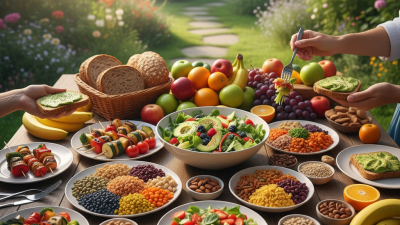
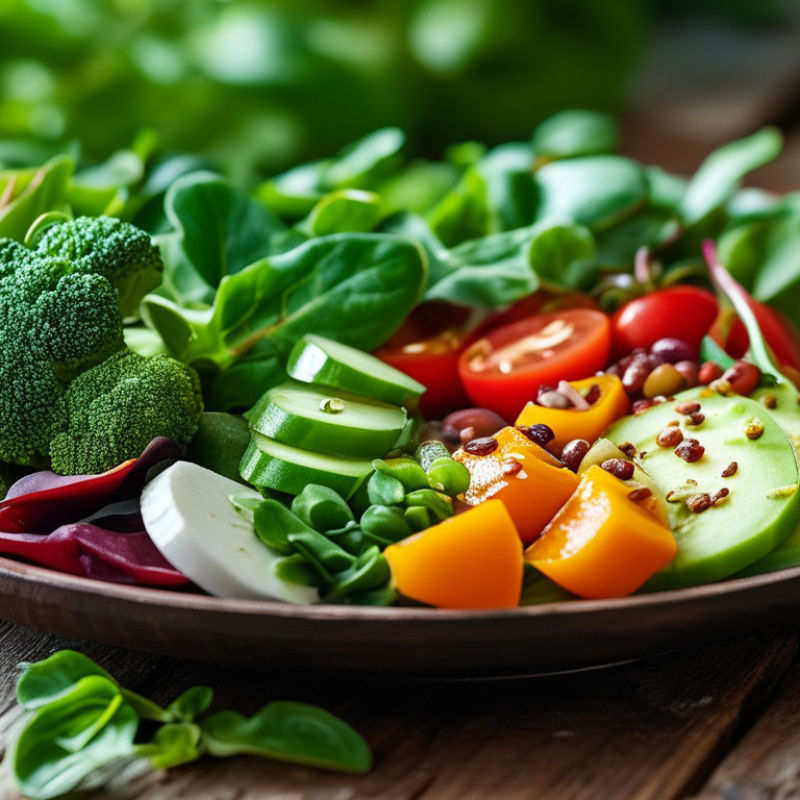
Transitioning to a plant-based lifestyle can feel daunting. It’s essential to start with a clear understanding of what this lifestyle entails. At its core, it emphasizes whole foods, such as vegetables, fruits, legumes, nuts, and grains. Many people think it’s just about cutting meat. However, it’s much broader than that. It’s about including more plant sources in your diet and exploring new recipes.
Learning to cook with plant-based ingredients can be both fun and challenging. You may find that the flavors are different, and that’s okay. Not every dish will come out perfectly. Plant-based diets offer a rainbow of nutrients. Yet, it's important to ensure you’re getting enough protein, vitamins, and minerals. Many people forget to include sources like beans or quinoa, which can lead to deficiencies. Remember to listen to your body and adjust as you go along. Embrace mistakes; they are part of the journey.
Social situations, like dining out or attending events, may prove tricky. You might feel pressure if limited options are available. It’s helpful to plan ahead. Bring a dish to share or research restaurants that offer plant-based meals. This not only helps you stay on track but also introduces your friends to delicious plant-based foods. Adopting this lifestyle requires patience and persistence. It’s a journey, not a race.
How to Transition to a Plant Based Lifestyle Successfully? - Understanding the Basics of a Plant-Based Lifestyle
| Aspect |
Description |
Tips for Transition |
| Nutritional Choices |
Focus on whole foods like fruits, vegetables, grains, legumes, nuts, and seeds. |
Start with a variety of plant-based meals to discover what you enjoy. |
| Meal Planning |
Plan meals in advance to ensure balanced nutrition and reduce stress. |
Create a weekly menu and grocery list to streamline shopping. |
| Cooking Skills |
Learn to cook with plant-based ingredients to enhance meal variety. |
Try new recipes each week and experiment with different cuisines. |
| Social Situations |
Navigate dining out or gatherings where food is served. |
Communicate your dietary preferences ahead of time to hosts. |
| Nutritional Balance |
Ensure your diet is rich in essential nutrients like protein, iron, and B12. |
Consider supplements like B12 and engage with a dietitian if needed. |
Identifying Nutritional Needs on a Plant-Based Diet
Transitioning to a plant-based lifestyle requires careful attention to nutritional needs. Studies indicate that a well-planned plant diet can provide all vital nutrients. However, it also poses risks if not approached thoughtfully. For instance, Vitamin B12 is a significant concern. According to research from the Academy of Nutrition and Dietetics, those on a strict plant-based diet can easily become deficient without supplementation.
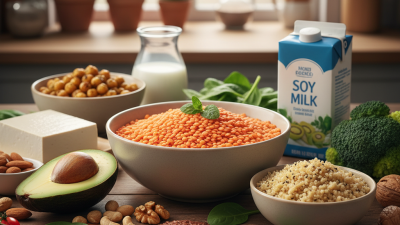
Protein is another critical component. A report by the USDA highlights that plant sources can meet protein needs but may lack certain amino acids. Legumes, nuts, and grains should be combined for a complete amino acid profile. This requires planning and can be a source of frustration for many. It’s essential to understand how to balance meal choices to avoid deficiencies.
Iron absorption is also a concern in plant-based diets. Plant-derived iron is non-heme and more difficult to absorb. Including vitamin C-rich foods can enhance iron uptake. Reflecting on these nutritional requirements can help individuals make informed choices. Many people underestimate the complexity involved in transitioning to a healthy plant-based diet. This awareness can prevent pitfalls and ensure a successful shift toward a more sustainable lifestyle.
Practical Steps to Begin Transitioning to Plant-Based Eating
Transitioning to a plant-based lifestyle can be both exciting and challenging. Start by understanding your motivations. It could be health benefits or environmental concerns. Research shows that plant-based diets can lower the risk of heart disease by up to 32% and reduce the carbon footprint significantly. These statistics provide a solid reason to make the switch.
Begin with small changes. Incorporate more fruits and vegetables into your meals. Try meatless Mondays or plant-based recipes twice a week. This gradual approach eases the transition. A study found that people who transition one meal at a time are more successful in making lasting changes. Remember, it's okay to miss your favorite foods occasionally. Reflecting on cravings can help you find satisfying plant-based alternatives.
Educate yourself about nutrients. Ensure you're getting enough protein, iron, and vitamins. Legumes, nuts, and whole grains are excellent sources. A well-planned plant-based diet can meet all your nutritional needs. Yet, be open to adjusting your approach as you learn what works best for you. It’s a journey of discovery, and it’s perfectly fine to navigate with some imperfections.
Overcoming Common Challenges in Adopting a Plant-Based Diet
Transitioning to a plant-based lifestyle can be daunting. Many people face hurdles such as cravings and social pressure. According to a study published in the *Journal of Nutritional Science*, around 60% of individuals struggle with craving animal products. Understanding these challenges can empower you to overcome them.
One practical tip is to stock your pantry with plant-based staples. Grains, legumes, and spices can make cooking easier. When healthy options are readily available, you might avoid impulse buys of processed foods. Meal prepping can also combat last-minute cravings. Prepare dishes in advance and store them for busy days.
Social settings can be tricky. Friends and family might not understand your dietary changes. A survey from the *Plant-Based Foods Association* revealed that over 50% of people worry about being judged for their choices. Communicate your dietary needs with others. Bringing a plant-based dish to gatherings can also be a great conversation starter. Ultimately, recognize that transitioning takes time, and it's okay to hit bumps along the road. Embrace small victories and learn from setbacks.
How to Transition to a Plant-Based Lifestyle Successfully?
This bar chart illustrates common challenges faced when transitioning to a plant-based lifestyle, along with the percentage of individuals reporting these challenges. Understanding these obstacles can help better prepare for a successful dietary transition.
Tips for Maintaining a Long-term Plant-Based Lifestyle
Transitioning to a plant-based lifestyle can be challenging. Studies show that 84% of people trying to eat more plants give up within a year. It's often due to a lack of planning and knowledge. To maintain a long-term plant-based diet, focus on sustainable cooking. Use seasonal produce to keep meals interesting. This not only enhances flavor but also supports local agriculture.
Meal prepping is another essential strategy. Dedicate a few hours each week to prepare meals. Research indicates that planning can reduce impulsive eating. This method ensures you always have healthy options on hand. Pair your meals with whole grains and legumes to keep you full.
Community support matters. Joining groups can provide encouragement and motivation. Share recipes and experiences with others. Feeling connected can help you push through moments of doubt. Remember, it’s okay to revert to old habits sometimes. Reflecting on why you crave certain foods helps you adjust. Each step is part of your journey.