


Careers

What Are Plant Based Foods and What Types Are Available?

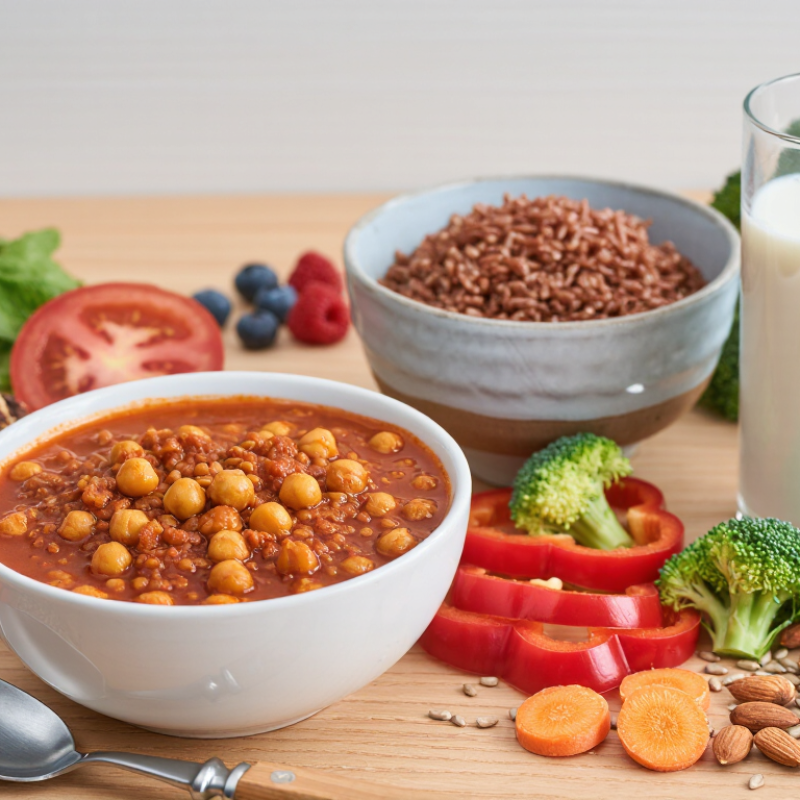
Plant-based foods range from familiar ingredients to carefully formulated alternatives. The phrase usually describes foods made mainly from plants, including beans, lentils, vegetables, fruits, grains, nuts, and seeds. It can also refer to products designed to replace meat, dairy, or eggs. Think of chickpeas simmering in a tomato stew, oat milk poured into coffee, or a soy-based burger sizzling in a pan. These foods differ widely in ingredients and processing. Not all are nutritionally alike.

The category is also an established retail market. The Good Food Institute and SPINS reported that U.S. plant-based food retail sales reached $8.1 billion in 2023. Their report tracks sales across several product types, including plant-based meat, milk, and other dairy alternatives. Those figures show commercial reach, not a health verdict. Labels, nutrition panels, and ingredient lists still matter. That distinction matters.

Bruce Friedrich, founder and president of the Good Food Institute, has described the direction of the sector this way: “The future of meat is plant-based.” It is an industry perspective, not a guarantee that every substitute tastes or performs like its conventional counterpart. Some products brown beautifully; others may need different cooking times or seasoning. A little trial and error helps. This guide explores what plant based foods means, how common types are made, and where they fit in everyday meals. It also considers practical differences in taste, ingredients, and nutrition, so readers can compare options with clearer expectations.
What Are Plant Based Foods and What Types Are Available?

What Plant-Based Foods Are

Plant-based foods are foods made mainly or entirely from plants. They include vegetables, fruits, beans, lentils, peas, nuts, seeds, whole grains, and foods made from these ingredients. A bowl of oatmeal, roasted chickpeas, or tofu with brown rice all fit. Some people use the term for meals without animal ingredients; others use it for diets centered on plants that may include eggs, dairy, or fish. The label is not always precise.

These foods provide a range of nutrients. Beans and lentils offer protein and fiber, while nuts and seeds contain unsaturated fats. Whole grains contribute carbohydrates, fiber, and minerals; colorful produce adds vitamins and other natural compounds. Nutrient content depends on the food and its preparation. Canned beans can be convenient, though some contain substantial sodium. Rinsing them may reduce some of it.

Plant-based does not automatically mean minimally processed or nutritionally complete. Packaged meat alternatives, sweetened drinks, and refined snacks can also be plant-derived. That matters. For a balanced meal, combine lentils or tofu with vegetables and a grain or starchy vegetable. People avoiding all animal foods need reliable sources of vitamin B12, often through fortified foods or supplements. Those with complex health needs can ask a qualified health professional for personalized guidance. There is no single perfect plate.

The Main Ingredients in Plant-Based Foods

Plant-based foods are made mainly from ingredients such as beans, grains, nuts, seeds, vegetables, and oils. The exact mix depends on the food and the texture a cook wants. Lentils, peas, and chickpeas bring protein and fiber, while oats, rice, and wheat can add body and familiar grain flavors. Soybeans appear in foods such as tofu and tempeh. Simple ingredients, but they behave differently in a pan.

Seeds and nuts, including sunflower seeds and almonds, can add richness, crunch, or protein. Vegetable oils help create a tender or juicy texture. Starches from potatoes or corn may hold ingredients together, while mushrooms and vegetables can contribute moisture and savory flavor. Spices, herbs, and salt shape the taste. Texture matters.

Some packaged foods combine several of these ingredients to resemble the bite of meat or cheese. The label can sound simpler than the ingredient list really is. A pea-protein patty, for example, may also contain oil, starch, and seasonings. That is not automatically a problem, but it is worth checking the full ingredient list and nutrition facts, especially for sodium and saturated fat. Plant-based does not mean every product has the same nutritional profile. A home-cooked bean dish and a packaged meat alternative can be quite different.

Common Types of Plant-Based Foods

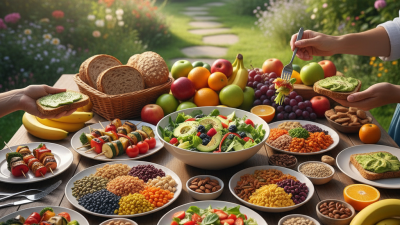
Plant-based foods span familiar produce, grains, beans, nuts, seeds, and foods made from plants. Vegetables and fruits bring different colors, textures, and flavors to meals. Think crisp bell pepper, soft roasted squash, or a tart apple. Fresh, frozen, and canned options can all be useful, though canned foods may contain added salt or syrup.

Legumes include beans, lentils, chickpeas, and peas. They provide protein and fiber, and work in soups, salads, or simple rice bowls. Tofu, tempeh, and edamame are soy-based choices; seitan is made from wheat gluten. Whole grains such as oats, brown rice, and quinoa add substance. Nuts and seeds, including walnuts, pumpkin seeds, and chia, bring crunch and fats. Small handfuls can go a long way.

Some plant-based products imitate meat or dairy, but their ingredients and sodium levels vary. Check the nutrition label rather than relying only on a package’s plant-based claim. A meal might pair lentils with rice, greens, and tahini; a special substitute is not essential. Plant-derived does not automatically mean varied or nourishing: fries are plant-based, but offer little range on their own. The categories can blur, too.

How Plant-Based Foods Are Used in Different Diets

Plant-based foods can play different roles depending on a person’s diet. For vegetarians, beans, lentils, tofu, eggs, and dairy may all contribute protein. A vegan diet excludes animal-derived foods, so meals often rely on legumes, soy foods, nuts, seeds, and grains. The same ingredient can serve different purposes: chickpeas might anchor a curry or add texture to a salad.

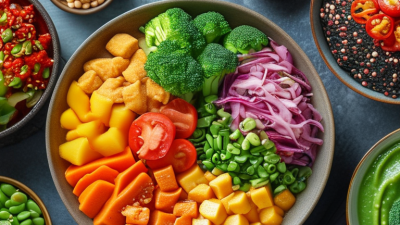
That matters. People who eat mostly plant foods but include some meat or fish may use vegetables and grains as the center of a meal, rather than a side dish. A bowl of brown rice, roasted squash, and black beans can be filling, especially with a source of fat such as avocado or tahini. In Mediterranean-style eating patterns, vegetables, beans, fruit, and whole grains are common staples, though the exact foods vary by household and culture.

Planning needs can change, too. People following fully vegan diets should pay attention to vitamin B12, using fortified foods or supplements as appropriate, and may need guidance on nutrients such as calcium, iron, and iodine. Not every meal will be perfectly balanced. A hurried lunch may be toast and hummus; the useful question is how the overall pattern looks across days, not whether one plate follows an ideal template.

What Are Plant Based Foods and What Types Are Available? - How Plant-Based Foods Are Used in Different Diets

Plant-Based Food Type Common Examples Nutrients Commonly Provided How It Is Used in Different Diets
Vegetables Leafy greens, broccoli, carrots, tomatoes, peppers Fiber, folate, vitamin C, potassium, and varied plant compounds Included in vegan, vegetarian, Mediterranean-style, and flexitarian eating patterns; served raw, roasted, steamed, or in soups and stews.
Fruits Apples, berries, citrus fruits, bananas, pears Carbohydrates, fiber, vitamin C, potassium, and other micronutrients Eaten fresh, frozen, or cooked in many dietary patterns; can be used as snacks, desserts, or additions to breakfasts and salads.
Legumes Beans, lentils, chickpeas, split peas Plant protein, fiber, folate, iron, and other minerals Often provide protein and substance in vegan and vegetarian meals; also used in flexitarian and Mediterranean-style meals as alternatives to or alongside meat.
Soy foods Tofu, tempeh, edamame, unsweetened soy milk Protein; some products also provide calcium or other nutrients, depending on preparation or fortification Used in vegan and vegetarian meals as protein-rich ingredients; can also appear in flexitarian diets. Nutrient content varies by product.
Whole grains Oats, brown rice, quinoa, barley, whole-wheat bread Carbohydrates, fiber, B vitamins, and minerals Form the base or side dish of meals across many eating patterns; whole-grain choices are common in Mediterranean-style and plant-forward diets.
Nuts and seeds Almonds, walnuts, peanuts, chia seeds, flaxseeds, pumpkin seeds Unsaturated fats, protein, fiber, and minerals; chia and flax also provide plant-based omega-3 fats Added to snacks, porridges, salads, or sauces in vegan, vegetarian, and other diets; portions may be adjusted to suit individual energy needs.
Plant oils and spreads Olive oil, canola oil, avocado oil, seed-based spreads Dietary fats; the type and amount of unsaturated fat vary by oil Used for cooking, dressings, and spreads in a range of diets. Mediterranean-style eating commonly features olive oil.
Plant-based meat alternatives Products made from soy, peas, wheat protein, beans, or mushrooms Protein content varies; sodium, saturated fat, and added ingredients vary by product Can be convenient substitutes in vegan, vegetarian, or flexitarian meals. Checking ingredient lists and nutrition labels can help compare options.
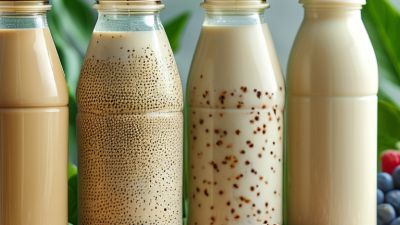
Fortified plant-based beverages and foods Fortified soy, oat, or other plant beverages; some fortified cereals May provide added calcium, vitamin D, vitamin B12, or other nutrients, depending on the product Used in dairy-free or vegan diets and by people who choose them for other reasons. Fortification differs, so labels should be checked.

Note: “Plant-based” can describe eating patterns ranging from mostly plant foods to fully vegan diets. A plant-based diet does not necessarily exclude every animal-derived food; the exact pattern depends on the individual.

Nutritional Features of Plant-Based Food Categories

Plant-based foods include vegetables, fruit, whole grains, beans, peas, lentils, nuts, seeds, and foods made from soy or other plants. They do not share one nutritional profile. The USDA FoodData Central database reports about 9 grams of protein and 7.9 grams of fiber per 100 grams of cooked lentils. A bowl of lentils can therefore provide both nutrients, while leafy vegetables contribute different amounts and types. Real meals vary. Preparation matters, too.

The 2020–2025 Dietary Guidelines for Americans count beans, peas, lentils, nuts, seeds, and soy foods among protein choices. Nuts and seeds also provide unsaturated fats, but their calories add up quickly. Plant-based drinks and meat alternatives vary widely. Check labels for protein, calcium, vitamin D, vitamin B12, sodium, and saturated fat; “plant-based” alone says little about their amounts. Iron deserves a closer look. The NIH Office of Dietary Supplements notes that iron from plant foods is generally less readily absorbed than iron from animal foods. Eating lentils with vitamin C-rich peppers or tomatoes can help absorption. It is easy to assume every plant-based swap is automatically more nutritious, but that assumption deserves a second look.