



Natural Organic Food Products & Ingredient Sourcing Company
Why Are Vegan Food Products Popular Worldwide?
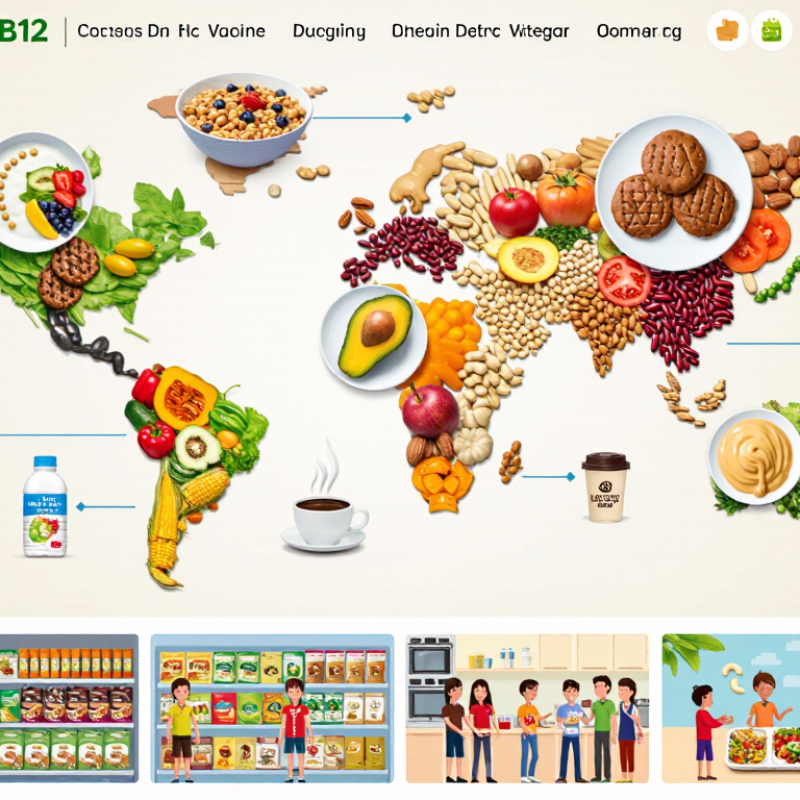
Across continents, vegan food products have moved from specialist shops into supermarkets, cafés, schools, and home kitchens. Their popularity reflects changing ideas about health, sustainability, animal welfare, and convenience. In Singapore, a shopper might choose soy milk beside breakfast cereal. In Mexico, beans, corn, squash, and fresh vegetables can form a familiar plant-based meal. These examples show that vegan eating is not limited to one culture or income group. Small details matter.
Food technology has also made plant-based choices more practical. Oat drinks foam in coffee, pea-protein burgers brown on a grill, and cashew-based sauces create a creamy texture. Familiar textures encourage curious consumers to try new products. Some people seek lower saturated fat, while others respond to environmental concerns or personal ethics. However, popularity does not prove that every product is nutritious. A heavily processed vegan snack may still contain substantial salt, sugar, or saturated fat. The label deserves attention.
Reliable nutrition guidance generally supports well-planned vegan diets across different life stages, with professional advice when needs are complex. Vitamin B12 requires particular care, and fortified foods or supplements may be necessary. Iron, calcium, iodine, vitamin D, and omega-3 fats also deserve consideration. Experiences vary widely. Some consumers feel more energetic, while others struggle with cost, taste, or limited availability. This article examines why vegan food products continue to gain worldwide attention, while questioning simple claims about health, culture, and sustainability. The trend is significant, but it is not automatically perfect.
What Defines Vegan Food Products in the Global Food Market?
Vegan food products are defined by what they exclude. They contain no meat, fish, dairy, eggs, or other animal-derived ingredients. This applies to obvious items, such as milk and butter, and less familiar ingredients, such as certain colorants or processing aids. In global markets, manufacturers must examine every ingredient and production stage carefully. A product may look plant-based but still contain hidden animal-derived components.
Clear labeling builds consumer trust. Shoppers often check ingredient lists for milk powder, whey, gelatin, or egg-based additives. They may also look for independent vegan certification, although certification rules differ between regions. Manufacturing conditions matter too. Shared equipment can create concerns for consumers with strict ethical expectations or allergies. The distinction is important.
Nutrition also defines a product’s market value. A lentil meal can provide protein and fiber, while a sweetened snack may offer little beyond calories. Plant-based does not automatically mean balanced. Some products rely heavily on refined starch, salt, or added oils. I have found ingredient lists difficult to compare across countries. Names change, translations vary, and serving sizes can mislead. This weakness deserves more attention. Reliable products should provide understandable labels, accurate nutrition information, and honest statements about their ingredients. Their appeal grows when convenience, familiar texture, and credible sourcing meet everyday dietary needs.
Why Are Vegan Food Products Popular Worldwide? - What Defines Vegan Food Products in the Global Food Market?
| Market Dimension | Verified Data or Definition | Why It Matters in the Global Market | Reference |
|---|---|---|---|
| Core product definition | Vegan food excludes meat, fish, dairy, eggs, honey, and other ingredients derived from animals. | A clear exclusion standard helps consumers identify suitable products across different countries and cuisines. | The Vegan Society, definition of veganism |
| Main product categories | The global category includes plant-based meat and seafood, dairy alternatives, egg alternatives, ready meals, snacks, beverages, bakery products, and food-service items. | The broad product range allows vegan foods to compete in multiple grocery, restaurant, and convenience-food segments. | Good Food Institute, plant-based industry categories |
| United States retail indicator | U.S. plant-based retail sales reached approximately US$8.1 billion in 2023. | The figure demonstrates that plant-based products have developed into a significant mainstream retail category, not only a niche market. | Good Food Institute, U.S. retail market data, 2023 |
| European retail indicator | European plant-based retail sales were estimated at approximately €5.8 billion in 2022 across major product categories. | The size of the European market reflects broad consumer access and increasing distribution through supermarkets and food-service channels. | Good Food Institute Europe, European plant-based retail sales, 2022 |
| Consumer motivation: health | Common consumer motivations include increasing fruit, vegetable, legume, and whole-grain intake and reducing saturated fat from animal foods. | Health positioning makes vegan products relevant to vegans, vegetarians, flexitarians, and consumers seeking dietary variety. | World Health Organization; Harvard T.H. Chan School of Public Health |
| Consumer motivation: sustainability | A large Oxford University study found that vegan diets reduced modeled food-related land use by approximately 76% compared with high-meat diets. | Environmental benefits increase demand among consumers concerned about land use, climate change, and resource efficiency. | Poore & Nemecek, Science, 2018 |
| Climate impact context | The same study estimated that vegan diets were associated with about 49% lower food-related greenhouse-gas emissions than high-meat diets. | Lower average emissions support the use of plant-based foods in climate-conscious dietary strategies, although impacts vary by ingredient and production method. | Poore & Nemecek, Science, 2018 |
| Nutritional labeling requirement | Vitamin B12 is not naturally reliable in unfortified plant foods; people following a vegan diet generally need fortified foods or a suitable supplement. | Fortification, transparent labeling, and nutrition education are important for consumer trust and responsible product development. | National Health Service; Academy of Nutrition and Dietetics |
| Cultural adaptability | Vegan food can be developed from locally familiar ingredients such as beans, lentils, soy, peas, grains, nuts, seeds, fruits, and vegetables. | Local ingredients and regional recipes reduce cultural barriers and allow products to be adapted to different tastes and supply chains. | Food and Agriculture Organization of the United Nations |
| Key purchase barriers | Common barriers include price, taste, texture, limited availability, unfamiliar ingredients, and concerns about protein or micronutrient adequacy. | Products that improve sensory quality, affordability, convenience, and nutritional transparency are more likely to achieve repeat purchases. | Research reviews in Appetite and Food Quality and Preference |
| Market positioning | Vegan products increasingly target both committed vegans and non-vegan consumers who reduce animal-food consumption without fully eliminating it. | This wider target audience expands the addressable market and supports growth in mainstream retail and food service. | Good Food Institute consumer and market research |
Note: Market figures refer to plant-based retail categories and may include products that are not exclusively vegan. Values are presented as reported by the cited sources and are not associated with any individual company or brand.
Related Posts
-
Top Future Trends in Plant Based Food for Global Buyers?
-

How to Choose the Best Vegan Food Products for Your Diet?
-

How to Start a Plant Based Lifestyle in 2026?
-

How to Choose the Best Functional Food Products for Your Needs?
-
10 Best Whole Food Nutrition Sources for a Healthier Lifestyle?
-

How to Choose the Best Organic Food Products for Your Business?