How to Choose the Best Functional Food Products for Your Needs?
Choosing the right functional food products can significantly enhance your health journey. With a vast array of options available, making an informed decision is critical. You might wonder which products truly deliver on their promises. Many options claim to support various health goals, but not all are created equal.
Understanding your specific needs is essential. Some people seek weight management solutions, while others aim for improved digestion or energy levels. Reading ingredient lists and checking for certifications can help. Emphasizing transparency is vital. Be aware that some brands may exaggerate claims.
Research from health professionals can guide your choices. Look for products backed by credible studies. Seek advice from registered dietitians or nutritionists if possible. Trustworthy information is crucial in navigating this complex market. Always remain open to reassessing your choices as your health needs evolve.
Understanding Functional Foods and Their Health Benefits
Functional foods play a pivotal role in enhancing health and well-being. These products contain bioactive compounds that support various bodily functions. According to the Global Functional Foods Market report, the market is expected to reach $300 billion by 2027, reflecting the growing consumer awareness of health benefits. These foods can improve digestion, boost immunity, and provide essential nutrients.
Research shows that probiotics in functional foods can enhance gut health, with studies indicating a 30% increase in gut flora diversity when consumed regularly. Omega-3 fatty acids are linked to better heart health and reduced inflammation. Many consumers may not realize the importance of sourcing quality products. Scouring labels for credible certifications is crucial.
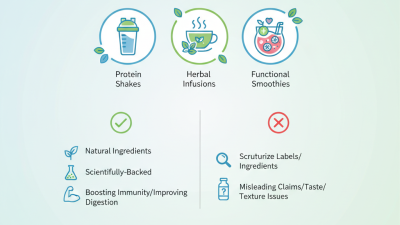
However, not all functional foods are created equal. Some may contain misleading claims or inadequate amounts of active ingredients. Regulatory bodies like the FDA monitor claims, but gaps exist. It's vital to stay informed and understand personal health needs. Tailoring food choices based on individual health conditions can lead to more effective outcomes. Balancing variety and moderation is key to a successful functional food strategy.
Understanding the Health Benefits of Functional Foods
Identifying Your Personal Health Goals and Nutritional Needs
Identifying your personal health goals is the first step toward choosing functional food products. Consider what you want to achieve. Do you aim to increase energy? Balance your diet? Support gut health? These questions guide your selection process. Reflect on your daily habits and lifestyle. Are you getting enough nutrients? Are there areas where you feel fatigue or stress?
Next, evaluate your nutritional needs. Everyone has different dietary requirements. Some may need more protein; others may require additional vitamins. Pay attention to any food intolerances or allergies. Choose foods that align with your body's unique needs. Consult with a healthcare professional if needed. They can provide tailored advice based on your situation.
In the pursuit of good health, you might feel overwhelmed. The functional food market is vast and varied. Not every product will suit you. Experimentation is key. Keep a food diary to track what works and what doesn’t. This reflection helps refine your choices. Finding the right functional food is a journey, not an instant solution.
Evaluating Ingredient Quality and Nutritional Content
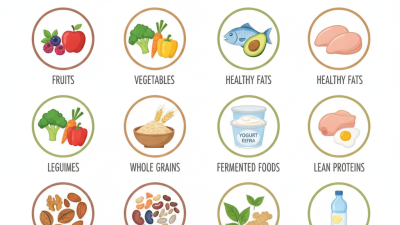
When evaluating functional food products, ingredient quality and nutritional content are crucial. Look for whole foods as primary ingredients. They often contain essential nutrients and fewer additives. Research suggests that foods rich in fiber, antioxidants, and healthy fats are beneficial. Not all ingredients are created equal, so understanding the source is vital.
Tips for evaluation include scrutinizing the ingredient list. Short, recognizable ingredients often indicate higher quality. Watch out for artificial preservatives and sugars. They can detract from the health benefits. For example, a product may claim to be nutritious but contain hidden sugars.
Consider the nutritional content carefully. Check the serving size and calories. Compare similar products to determine the best value. Not every product labeled “functional” is healthy. Some may make promises that sound good but are misleading upon closer inspection. Always ask questions and seek clarity on what you consume.
How to Choose the Best Functional Food Products for Your Needs? - Evaluating Ingredient Quality and Nutritional Content
| Product Name |
Ingredient Quality |
Nutritional Information |
Recommended Daily Serving |
| Omega-3 Supplement |
High-quality fish oil, sourced from wild-caught fish. |
EPA 180 mg, DHA 120 mg per serving |
2 softgels daily |
| Probiotic Powder |
Contains 10 strains of live bacteria. |
5 billion CFU per teaspoon |
1 teaspoon daily |
| Plant-Based Protein |
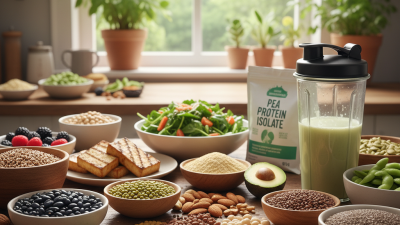
Made from pea, rice, and hemp. |
20g protein, 2g carbs per serving |
1 scoop (30g) daily |
| Superfood Greens Blend |
Contains spirulina, chlorella, and wheatgrass. |
3g protein, rich in vitamins A, C, K |
1 tablespoon daily |
| Collagen Peptides |
Hydrolyzed collagen from beef. |
10g collagen per serving |
1 scoop (11g) daily |
Considering Taste Preferences and Product Accessibility
When selecting functional food products, taste preferences play a crucial role. Research shows that 80% of consumers prioritize taste when trying new health foods. A product may be packed with nutrients, but if it tastes unpleasant, customers are unlikely to purchase it again. Therefore, brands must balance functionality with flavor to attract a loyal customer base.
Accessibility is another significant factor in choosing functional foods. According to recent industry reports, 65% of consumers prefer products available in local grocery stores. Accessibility influences purchasing decisions. If the food is hard to find, consumers may overlook healthier options. This highlights the need for brands to ensure their products are easy to locate and reasonably priced.
Interestingly, product label fatigue is common among consumers. Many feel overwhelmed by the sheer number of choices. An analysis found that over 40% of shoppers find it challenging to identify which products truly align with their health goals. Brands must simplify their messaging while also addressing consumer taste preferences and accessibility to be truly successful.
Researching Brand Reputation and Consumer Reviews
When selecting functional food products, brand reputation is crucial. A brand’s credibility can often be assessed through consumer reviews. Look for reviews on independent platforms, not purely on the brand's website. These reviews provide insights from real users. They reflect genuine experiences, which help you form a clearer picture.
Consumer feedback can reveal both strengths and weaknesses. A product may be touted for its benefits, but negative reviews might highlight issues like taste or side effects. Pay attention to recurring themes in reviews. If multiple users mention a common problem, it may warrant caution. Balance positive and negative comments to make informed choices.
Additionally, consider the source of the reviews. Verified buyers typically provide the most reliable feedback. Sometimes, companies might incentivize reviews, which can lead to biased opinions. Always approach reviews with critical thinking. This process may seem tedious but will ultimately guide you to better choices in functional foods.