What are the Benefits of Plant Based Protein for Buyers?
The rise of plant based protein in the global market signifies a shift in consumer preferences. According to a report by IMARC Group, the plant based protein industry is projected to reach $39.2 billion by 2027, growing at a CAGR of 9.2%. This growth reflects changing dietary trends and increased awareness regarding health and sustainability. Leading nutrition expert Dr. Jane Goodall highlights this trend, stating, “Plant based proteins not only support health but also environmental sustainability.”
Buyers are discovering numerous benefits from incorporating plant based protein into their diets. These proteins are often lower in fat and calories compared to animal proteins while being rich in essential nutrients. Furthermore, they offer anti-inflammatory properties, promoting overall well-being. However, there can be challenges, such as incomplete amino acid profiles in some sources. This requires consumers to seek diverse plant sources for optimal nutrition.
Despite these concerns, the advantages of plant based protein are compelling. Accessibility is improving as more brands enter the market, offering various products. As consumers become more educated, they demand healthier and more sustainable choices. Plant based protein is not just a trend; it represents a crucial step toward a healthier lifestyle and a more sustainable planet.
Understanding Plant-Based Protein and Its Sources
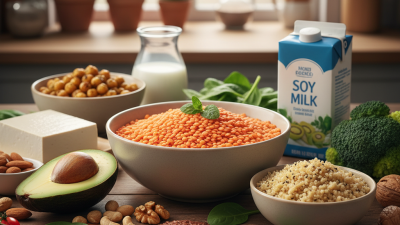
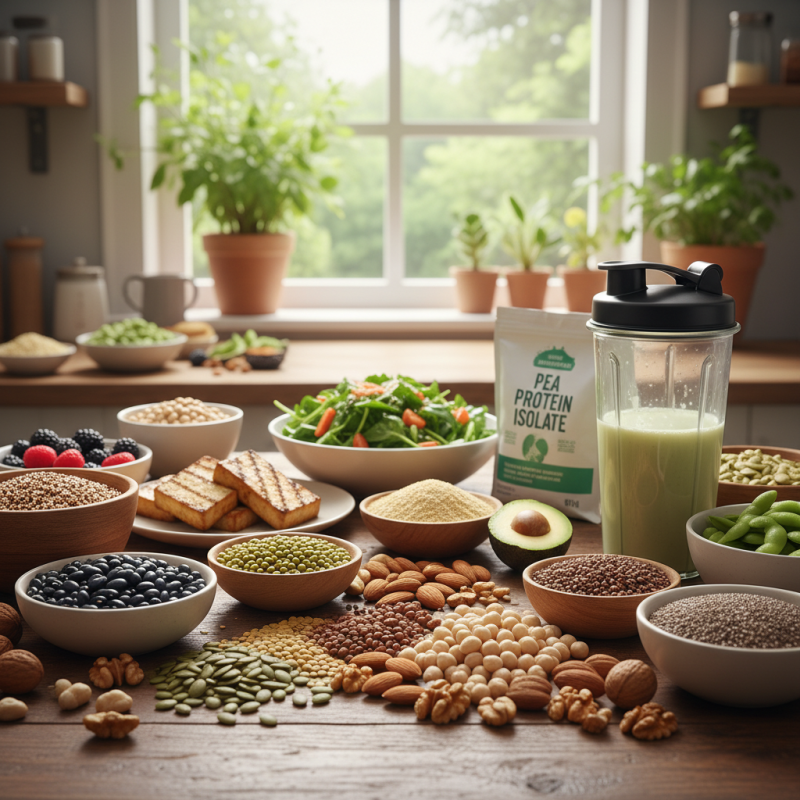
Plant-based protein has gained popularity due to its numerous health benefits. Understanding its sources can help buyers make informed choices. Common sources include legumes, nuts, seeds, and whole grains. These foods are rich in essential amino acids, fiber, and healthy fats. They promote heart health and aid digestion. Incorporating a variety of these sources ensures a balanced diet.
Tips: Explore different legumes like lentils and chickpeas. They can be added to soups or salads for extra protein. A handful of nuts can serve as a nutritious snack. Choosing whole grain products, like quinoa or brown rice, can also boost protein intake.
Plant-based diets can be beneficial, but it’s essential to ensure nutrient variety. Some may struggle with protein quality compared to animal products. Buyers should consider combining different sources to meet their nutritional needs. This approach maintains a well-rounded eating pattern while enjoying diverse flavors.
Nutritional Advantages of Plant-Based Protein Compared to Animal Protein
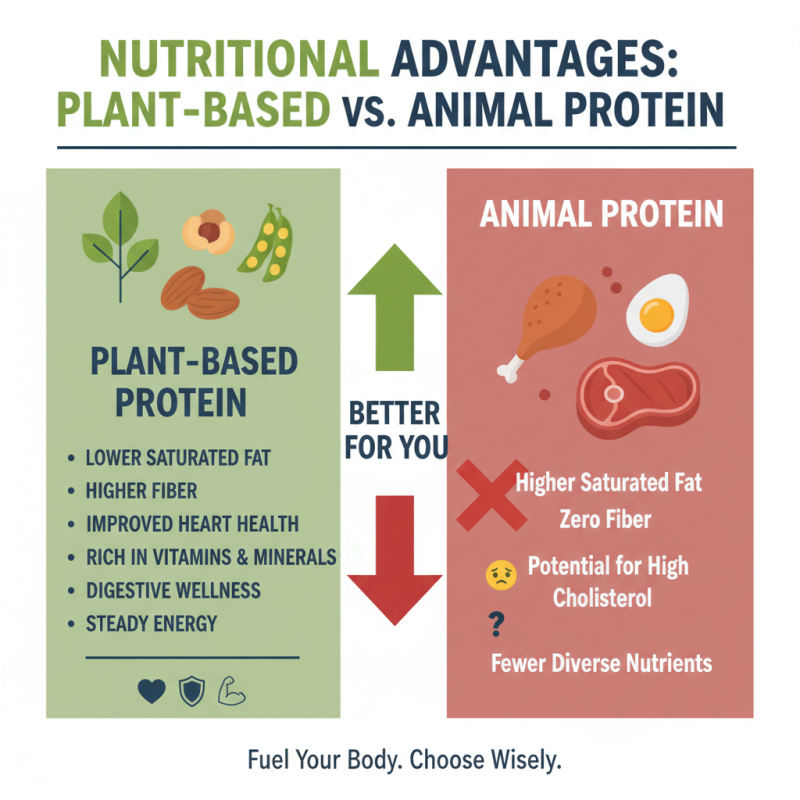
Plant-based protein offers impressive nutritional benefits. Compared to animal protein, it provides lower saturated fat levels and higher fiber content. This can lead to improved heart health. Legumes, nuts, and seeds are rich in essential vitamins and minerals that support overall wellness. They can promote digestive health and maintain steady energy levels.
Tips: Incorporate a variety of plant proteins into your meals. This ensures you receive all essential amino acids. Quinoa, lentils, and chickpeas are excellent choices. Experiment with different recipes to keep meals interesting. Remember, each person's body reacts differently to protein sources. Monitor how you feel as you make changes.
Vegetarians and vegans often report better weight management. Plant-based proteins are more filling, which can reduce overeating. However, some individuals may find it challenging to meet their protein needs. It's crucial to plan meals thoughtfully. Work with a nutritionist if needed for personalized advice. Each step toward plant-based eating can yield positive results.
Environmental Benefits of Choosing Plant-Based Protein Options
As more people turn to plant-based diets, the environmental benefits are becoming clearer. Plant-based proteins generally require fewer natural resources compared to animal proteins. For instance, growing beans, lentils, and peas consumes less water and land. In contrast, livestock farming often leads to deforestation. Each plant-based meal can reduce our carbon footprint significantly.
Soil health also improves with plant-based farming. Plants help maintain soil structure and prevent erosion. They can even restore nutrients to the soil. This is crucial for sustainable agriculture. However, not all plant-based options are equal. Some crops may require excessive fertilizers and pesticides, leading to soil degradation.
Choosing local and organic plant-based products can enhance these benefits. Buying locally reduces transportation emissions. Organic farming methods often promote biodiversity. Yet, the challenge lies in accessibility. Many communities lack access to fresh, affordable plant-based foods. This issue requires reflection and action to create a truly sustainable future.
Economic Considerations for Buyers of Plant-Based Protein Products
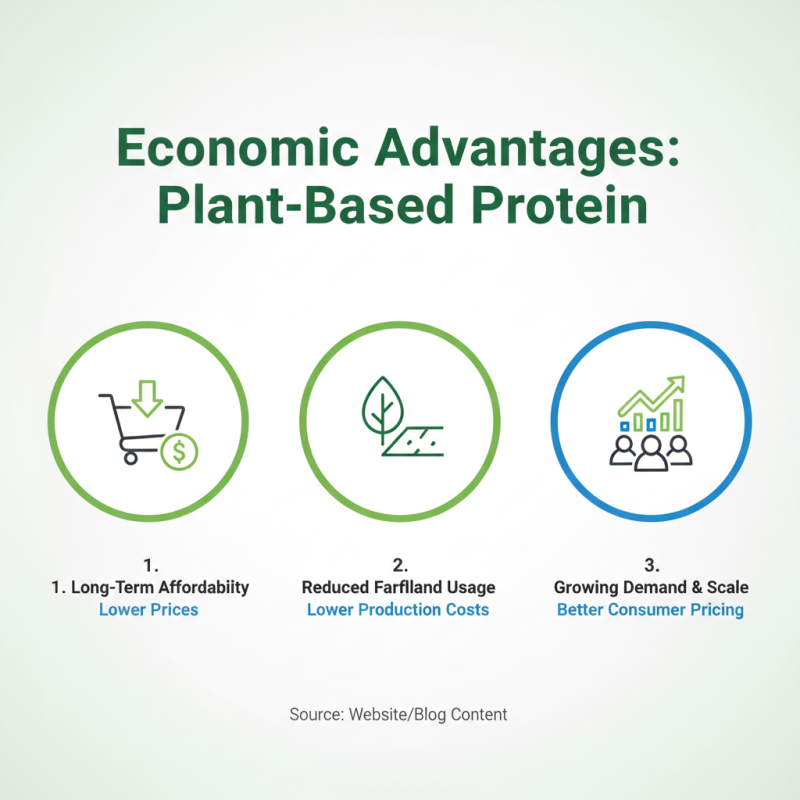
Purchasing plant-based protein products offers various economic advantages. Many buyers find these options more affordable in the long run. Plant-based proteins often require less farmland compared to animal farming. This means lower production costs and, potentially, lower prices for consumers. As demand grows, economies of scale can lead to better pricing.
Additionally, plant-based protein products usually have longer shelf lives. This aspect reduces waste and allows buyers to store them longer. Buying in bulk can also lead to additional savings. However, it is essential to compare prices at different retailers. Some products may appear costly initially but could provide better nutritional value over time.
While plant-based options are gaining popularity, some buyers may feel uncertain about their nutrient content. Research shows that many plant proteins lack certain amino acids. Combining different sources can help address this issue. Buyers should be informed about how to balance their diets effectively. Informed consumers are more likely to benefit from these products, ensuring they meet personal health goals while enjoying financial savings.
Health Implications and Dietary Recommendations for Plant-Based Proteins
Plant-based proteins are gaining traction, driven by their health implications and dietary recommendations. Research shows that these proteins can lower the risk of chronic diseases. A report by the Academy of Nutrition and Dietetics highlights that plant-based diets are linked to lower rates of heart disease, diabetes, and certain cancers. This is largely due to their high fiber content and rich antioxidant profiles.
Incorporating plant-based proteins like lentils, chickpeas, and quinoa into your meals can aid overall health. A diet high in plant protein can lead to improved digestion and better weight management. The USDA recommends balancing your protein sources, aiming for a diverse intake to ensure all essential amino acids are consumed. A mix of legumes, nuts, and whole grains can achieve this balance effectively.
**Tip:** Start by substituting meat with plant proteins two to three times a week. This gradual approach makes it easier to adjust to new dietary habits.
While some may worry about protein quantity, studies suggest most individuals exceed their protein needs. Reflect on your intake. Assess if you are consuming excessive animal-based proteins that could lead to health issues over time. Focusing on plant-based options can be both beneficial and sustainable.
Benefits of Plant Based Protein