2026 How to Make Healthy Food Choices for a Better Lifestyle?
In today's fast-paced lifestyle, making healthy food choices has never been more crucial. The World Health Organization (WHO) estimates that poor dietary habits contribute to over 2.8 million deaths annually. This statistic highlights the urgent need for individuals to prioritize nutrition. Healthy food choices not only enhance physical well-being but also improve mental health.
Recent studies show that a balanced diet can lead to a 30% reduction in the risk of chronic diseases. Incorporating fruits, vegetables, and whole grains is essential. Yet, many struggle to navigate their food options. Convenience often trumps health, leading to regret later.
Understanding the impact of food on health requires effort and reflection. Seeking expert advice, such as from registered dietitians, can empower individuals to make informed decisions. Emphasizing personal responsibility in nutrition fosters a deeper connection to one’s choices. This journey towards better health might be challenging, yet small, consistent changes can yield significant benefits.
Understanding the Importance of Healthy Food Choices
Healthy food choices are crucial for a better lifestyle. They affect physical health, mental well-being, and overall quality of life. Understanding the significance behind these choices can motivate us to prioritize nutrition. The body thrives on nutrients, which help energize daily activities.
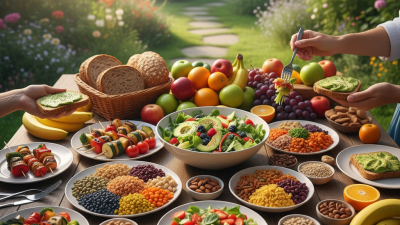
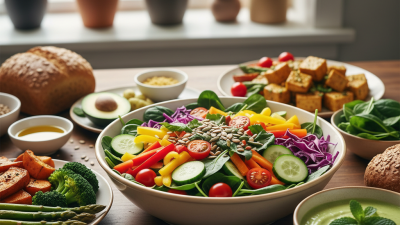
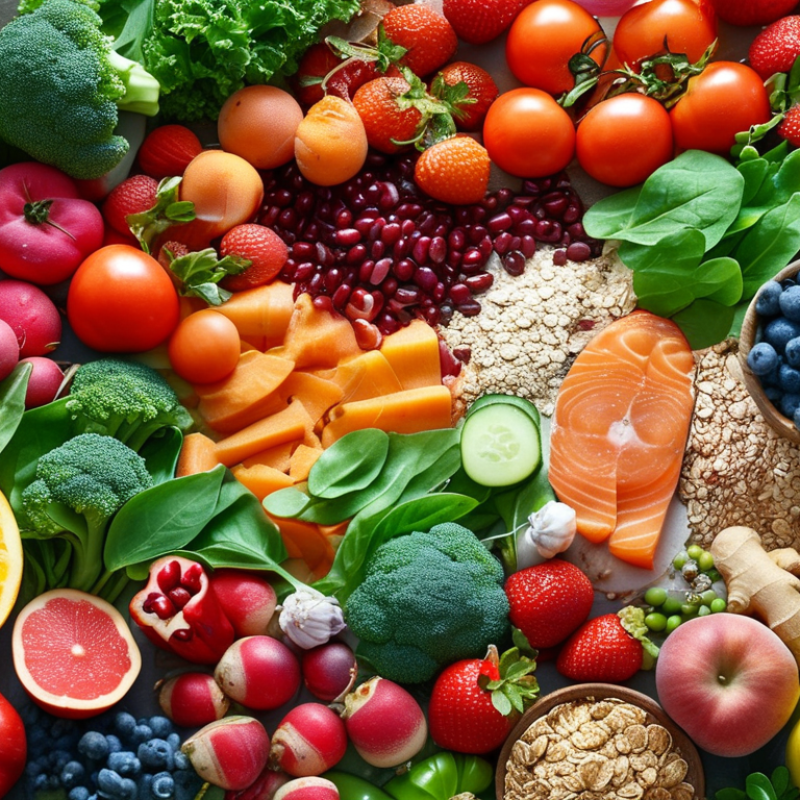
Eating a balanced diet can sometimes feel overwhelming. Many people struggle with temptation from unhealthy snacks. It's human to slip up occasionally. The key is to learn from these moments and refocus. Incorporating a variety of colors on your plate can make healthy eating more appealing. Vibrant vegetables and fruits are not just visually inviting; they provide essential vitamins and minerals.
Mindful eating can enhance our relationship with food. Paying attention to hunger cues and savoring each bite fosters satisfaction. This practice helps prevent overeating. Transitioning to healthier options isn't a race. It requires patience and reflection. Each small choice adds up to significant changes over time. Embracing this journey can lead to better health outcomes and improved happiness.
2026 How to Make Healthy Food Choices for a Better Lifestyle? - Understanding the Importance of Healthy Food Choices
| Food Type |
Nutritional Benefits |
Recommended Serving |
Healthy Alternatives |
| Whole Grains |
High in fiber, reduce risk of heart disease |
3-6 servings per day |
Brown rice, quinoa, whole grain bread |
| Fruits |
Rich in vitamins, minerals, and antioxidants |
2-4 servings per day |
Berries, apples, oranges |
| Vegetables |
High in fiber, important for digestion |
3-5 servings per day |
Leafy greens, bell peppers, carrots |
| Lean Proteins |
Supports muscle health, aids in weight management |
2-3 servings per day |
Chicken, fish, legumes |
| Healthy Fats |
Good for heart health, supports brain function |
Up to 3 servings per day |
Avocados, nuts, olive oil |
Identifying Nutrient-Dense Foods for Optimal Health
Identifying nutrient-dense foods is essential for optimal health. These foods provide rich vitamins, minerals, and other beneficial compounds without excess calories. Fresh vegetables, fruits, lean proteins, and whole grains are excellent choices. The goal is to prioritize food that fuels your body effectively.
Tips: Include a variety of colors on your plate. Each color often represents different nutrients. Aim for at least five servings of fruits and vegetables daily. Nuts and seeds are also nutrient-dense options. They offer healthy fats and proteins, perfect for snacks or toppings.
It's important to reflect on food choices. Are you leaning towards processed items? They can be tempting but often lack nutrients. Try meal prepping with whole ingredients. This can help you avoid quick, unhealthy options. Emphasize home-cooked meals to support your journey toward better health. Remember, small changes can lead to significant improvements over time.
Creating a Balanced Meal Plan for a Healthy Lifestyle
Creating a balanced meal plan is essential for a healthier lifestyle. Start with a variety of food groups. Include fruits, vegetables, whole grains, proteins, and healthy fats in every meal. This balance fuels your body and provides essential nutrients. For example, add spinach to your omelet. It's a simple way to boost iron and fiber intake.
Portion control is also vital. The size of portions impacts health significantly. Many people underestimate serving sizes, leading to overeating. Try using smaller plates. It can help manage portions effectively. Remember, balance doesn’t mean perfection. It’s okay to enjoy your favorite treats occasionally. Listen to your body, and make adjustments as needed.
Don't forget to plan ahead. Weekly meal prepping helps maintain your dietary goals. Choose one day to prepare meals for the week. This habit reduces the temptation to grab unhealthy snacks. Reflect on what works for you. Everyone's dietary needs differ, and it takes time to find the right balance. Embrace the journey toward a healthier lifestyle.
Overcoming Barriers to Healthy Eating Habits
Overcoming barriers to healthy eating habits requires dedication and awareness. Many people face challenges like time constraints, cost, and access to fresh foods. A study by the USDA highlights that 23.5 million Americans live in food deserts, lacking easy access to nutritious options. This statistic points to a significant societal challenge.
Tips for overcoming these barriers include planning meals in advance. Setting aside time each week can help streamline your grocery shopping. Try to focus on whole foods, such as vegetables, fruits, and whole grains. They are often less expensive and more nutritious than processed foods. Cooking at home can also save money and provide healthier meals.
Another tip is to embrace local produce. Farmers’ markets can offer fresh, affordable options. They often have seasonal fruits and vegetables that burst with flavor. Additionally, consider joining a community garden. It can foster connections and provide access to fresh produce. Recognizing and addressing your barriers can lead to sustainable changes in your eating habits. Change takes time, and it's essential to reflect on what works for you.
2026 Healthy Food Choices for a Better Lifestyle
This chart illustrates the common barriers people face when trying to make healthy food choices. Understanding these obstacles can help in developing strategies to overcome them and lead to better lifestyle habits.
Practical Tips for Making Healthy Choices When Dining Out
Dining out can challenge our healthy eating goals. However, making
mindful choices is entirely possible. Start by reviewing the menu carefully. Look for dishes that highlight
fresh vegetables and
lean proteins. Meals featuring
grilled, baked, or steamed foods are better than fried options. Ask your server about
ingredient preparation, as sauces and dressings can add unwanted
calories and sodium.
When ordering, consider portion sizes. Many restaurants serve large portions that can lead to
overeating. You might share an entrée or order smaller plates. Sometimes, asking for a doggy bag right away helps manage portions.
Don’t hesitate to customize your order.
Requesting sauces on the side can help you limit calorie intake.
Stay aware of
liquid calories. Sugary drinks can add up quickly. Opt for
water, herbal tea, or
unsweetened beverages instead. Try to enjoy your meal slowly. Savor each bite and listen to your hunger cues. It’s okay to indulge occasionally, but
staying conscious of your choices can enhance your dining experience and support a
healthier lifestyle.