How to Choose the Best Plant Based Beverages for Your Business?
The popularity of plant based beverages has surged in recent years, reflecting a broader shift in consumer preferences towards healthier options. According to a report by Grand View Research, the global plant-based beverage market is projected to reach $74.2 billion by 2027, growing at a CAGR of 11.6%. This growth indicates a significant opportunity for businesses to capitalize on this trend.
Industry expert Dr. Emily Johnson, a leading researcher in alternative foods, emphasizes the importance of product selection in this evolving market. She states, “Understanding consumer trends is essential for choosing the right plant based beverages.” With increasing demand for dairy alternatives, products like almond milk and oat drinks are gaining traction. However, businesses must also navigate challenges, including supply chain issues and varying consumer preferences.
Choosing the best plant based beverages requires careful consideration of these factors. Businesses should evaluate not only market trends but also their target audience's preferences. Understanding the nuances of flavor, nutrition, and sustainability will support informed decisions. This market is dynamic, and what works today might not resonate tomorrow. Companies must remain adaptable and responsive to emerging trends for continued success.
Understanding the Market: Trends in Plant-Based Beverages
The market for plant-based beverages is rapidly evolving. According to a recent report from Grand View Research, the global plant-based beverage market was valued at over $25 billion in 2021. It's expected to grow at a compound annual growth rate (CAGR) of 11.7% from 2022 to 2030. This suggests significant consumer interest and increasing demand.
Trends show that consumers are seeking healthier alternatives. A study by Mintel revealed that 64% of consumers are trying to incorporate more plant-based products into their diets. This indicates a shift towards beverages that are not just dairy alternatives but also made from nuts, grains, and legumes. Additionally, flavors and formulations are diversifying, with options for protein enrichment and functional benefits becoming popular.
However, the landscape is not without challenges. Despite the growth, many consumers remain hesitant about taste and texture. As such, businesses need to invest in product development to address these concerns. Consumers demand authentic flavors without compromising nutrition. Companies should focus on consumer education, highlighting benefits like sustainability and health to build trust and transparency.
Identifying Your Target Audience for Plant-Based Products
Understanding your target audience is critical in selecting effective plant-based beverages for your business. Recognizing their preferences and values can shape your product offerings. Many consumers gravitate towards beverages that align with their health goals. They seek options that are nutritious and free from artificial additives.
Demographics play a crucial role in this process. Young adults, for instance, often prioritize sustainability. They may be drawn to brands advocating for eco-friendly practices. In contrast, older consumers might focus more on taste and nutritional benefits. Engaging with your audience through surveys can reveal specific interests. This data can guide your decisions.
However, the journey does not end with identifying your target audience. It's essential to remain adaptable. Consumer preferences can shift over time, influenced by trends or new research. Continually reassessing your target market ensures you stay relevant. Flexibility in your offerings can strengthen customer loyalty, proving that you understand their evolving needs.
Evaluating Nutritional Benefits of Different Plant-Based Beverages
When evaluating the nutritional benefits of different plant-based beverages, it's essential to look closely at their ingredients and health advantages. Many plant-based options, such as almond, soy, and oat milk, offer low-calorie alternatives to dairy while being rich in vitamins and minerals. A recent report from the Plant-Based Foods Association indicates that plant-based milk sales rose 20% from 2020 to 2021, highlighting consumer demand for healthier choices.
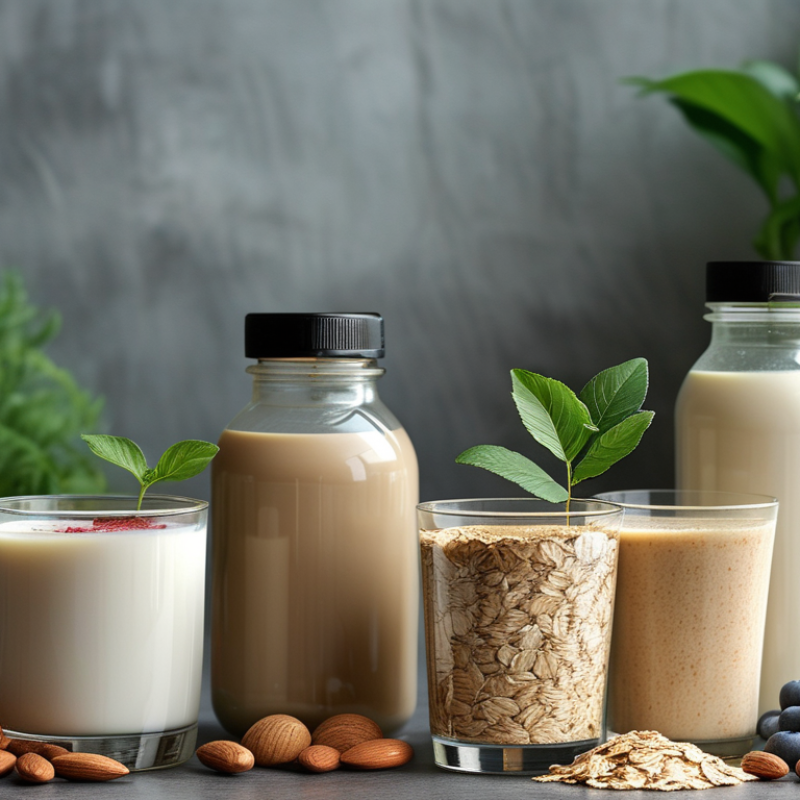
Almond milk, for instance, is low in calories and provides vitamin E, an antioxidant known for its skin and heart health benefits. On the other hand, soy milk is a complete protein source, making it an excellent choice for those seeking to increase their protein intake. Research shows that a diet incorporating plant-based foods can decrease the risk of chronic diseases, including heart disease and diabetes.
When selecting plant-based beverages for your business, consider the nutritional profiles and flavor profiles that align with your customers' preferences. Understand that not all plant-based options are created equal. Some may contain added sugars or preservatives that diminish their health benefits. A keen eye on ingredient lists ensures healthier pickings, but it does require some research.
Look for beverages that are fortified with additional nutrients like calcium and vitamin D. Often, the sugar content can vary widely, sometimes exceeding that of traditional dairy. Choosing low-sugar options can attract health-conscious consumers. Above all, stay informed—track emerging trends and customer feedback to refine your offerings continually.
How to Choose the Best Plant Based Beverages for Your Business?
| Beverage Type |
Key Nutritional Benefits |
Calories (per 100ml) |
Protein (g) |
Fat (g) |
Carbohydrates (g) |
Sugar (g) |
Calcium (mg) |
Iron (mg) |
| Almond Milk |
Low in calories, rich in vitamin E |
13 |
0.4 |
2.5 |
0.6 |
0.2 |
120 |
0.4 |
| Oat Milk |
High in fiber, heart-healthy fats |
46 |
1.0 |
1.5 |
9.0 |
4.0 |
120 |
0.2 |
| Soy Milk |
Complete protein source, rich in isoflavones |
33 |
3.3 |
1.9 |
1.6 |
0.5 |
300 |
0.9 |
| Coconut Milk |
Rich in medium-chain triglycerides (MCTs) |
230 |
2.3 |
24.0 |
6.1 |
3.3 |
10 |
0.1 |
| Rice Milk |
Easy to digest, hypoallergenic |
50 |
0.7 |
1.0 |
11.0 |
5.0 |
110 |
0.4 |
Sourcing Quality Ingredients: Tips for Businesses
When sourcing quality ingredients for plant-based beverages, businesses must consider numerous factors. Consumer interest in plant-based diets is growing rapidly. A report from the Nielsen Company indicates that plant-based milk sales have increased by 20% over the past two years. This surge highlights the need for businesses to choose high-quality ingredients to stand out.
The selection of ingredients should prioritize nutritional value and sustainability. Suppliers that use organic farming practices often provide high-quality products. Furthermore, it's essential to verify the sourcing practices of these providers. Seek certifications such as USDA Organic or Non-GMO Project Verified. Having transparency in your supply chain can build trust with consumers.
Taste and texture also play vital roles in beverage formulation. This area often requires trial and error. Explore various combinations of nuts, grains, or legumes to create appealing flavors. Keep in mind that consumers may have varying preferences for sweetness or creaminess. Engaging with your target audience can provide valuable feedback. Regularly assess and adjust your recipes based on this input to meet evolving market demands.
Packaging and Marketing Strategies for Plant-Based Beverages
When developing plant-based beverages, effective packaging and marketing strategies are crucial. According to recent market research, the global plant-based beverage market is expected to reach $58.4 billion by 2027. This growth signifies a shift in consumer preferences towards more sustainable options. Packaging plays a central role in this trend. Eco-friendly materials resonate with mindful consumers who prioritize sustainability. It is vital to choose biodegradable or recyclable packaging to appeal to this demographic.
Marketing strategies should focus on transparency and education. Consumers are increasingly interested in the health benefits of plant-based drinks. Highlighting key ingredients and their benefits can attract health-conscious buyers. Surveys indicate that 40% of consumers want to know more about nutritional information. Brands that provide clear details about sourcing and processing gain trust. However, overselling health benefits is a common pitfall. Brands need to balance persuasive messaging with honesty to maintain credibility.
Visual branding cannot be overlooked. Eye-catching designs can set a product apart on store shelves. An emphasis on natural colors and imagery can convey authenticity. Nevertheless, relying solely on attractive packaging can lead to disappointment if the product quality does not meet expectations. Continuous reflection on consumer feedback and market trends is essential for long-term success in this competitive landscape.
Sales Distribution of Plant-Based Beverages by Category