Top Food Sustainability Solutions in China for Global Buyers?
In recent years, food sustainability solutions have gained attention in China. As the world's largest food producer, China faces significant challenges. Balancing supply and environmental impact is crucial. Dr. Mei Ling, a renowned expert in sustainable agriculture, once stated, “Innovative solutions in food systems are essential for a sustainable future.”
The demand for sustainable practices is on the rise. Global buyers seek responsible sourcing of food products. Sustainable agriculture can reduce carbon footprints and enhance food security. However, achieving this requires collaboration among farmers, businesses, and consumers. There are hopeful signs, but progress is often slow.
Experts recognize various barriers. Many farmers lack access to resources and education. Traditional practices are difficult to change. Buyers must be patient and invest in sustainable initiatives. Transparency in sourcing is vital. Engaging with local communities and promoting sustainable practices will foster growth. Food sustainability solutions hold great promise, but we must reflect on the challenges ahead.
Top Food Sustainability Practices in China for Global Buyers
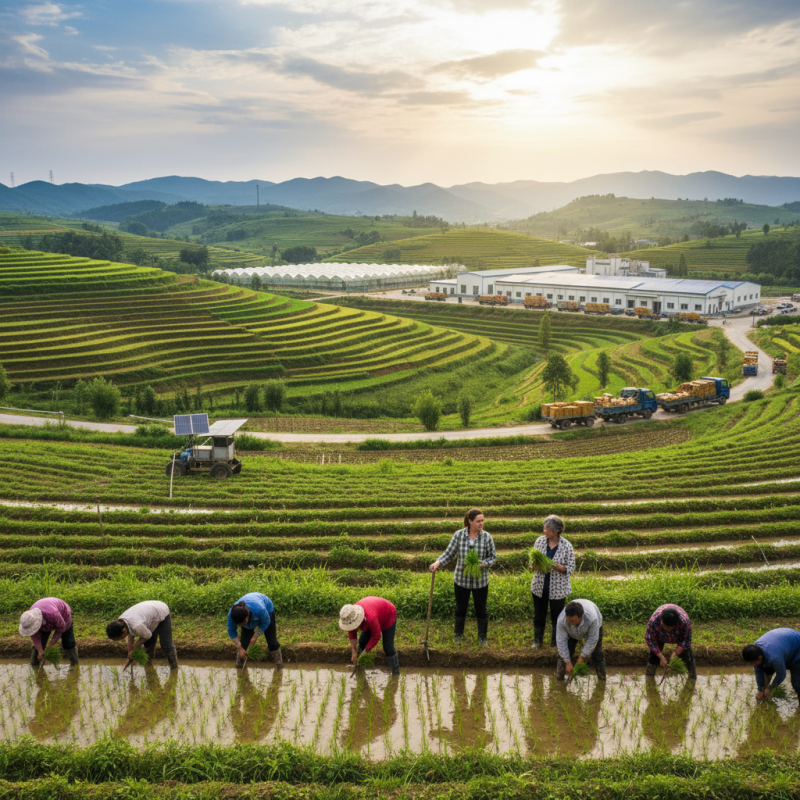
In China, food sustainability practices are gaining traction. Local farmers are adopting organic farming methods. These practices reduce chemical usage and promote biodiversity. Many producers are embracing circular economy principles. They recycle waste and utilize by-products, which enhances overall resource efficiency.
Urban areas are increasingly focused on sustainable sourcing. Consumers want transparency about their food's origins. Local food cooperatives are playing a significant role in this shift. They connect farmers directly with consumers, ensuring freshness and reducing transport carbon footprints. While the movement is positive, challenges persist. Not all regions have access to sustainable practices. Education and support for farmers remain essential for wider adoption.
Moreover, food waste is a pressing issue. Despite efforts, a significant amount of food still goes uneaten. New initiatives aim to repurpose excess food, turning it into animal feed or compost. This approach reflects a growing awareness of food loss. It also highlights the need for more robust waste management systems. Addressing these gaps can significantly impact sustainability efforts.
Innovative Agricultural Technologies Enhancing Food Production
Innovative agricultural technologies are transforming food production in China. These advancements address challenges like population growth and climate change. Farmers are increasingly adopting precision farming techniques. This involves using data analytics and sensors to optimize crop yields. Crop monitoring systems can provide real-time data about soil health and moisture levels. Such targeted approaches help lessen resource waste.
Vertical farming is gaining traction as well. It allows for growing crops in stacked layers, minimizing land use. This method can reduce water consumption significantly compared to traditional farming. Urban areas benefit from this approach, reducing transportation emissions and providing fresh produce. However, the high energy costs associated with vertical farms raise questions about sustainability.
Biotechnology plays a role, too, in enhancing food production. Genetically modified organisms (GMOs) are developed for better resilience to pests and diseases. While these innovations promise increased efficiency, they also spark debates about safety and environmental impact. It's crucial to remain open to ongoing research and dialogue in this field. Continuous improvement and reflection on these technologies’ long-term effects should guide future practices.
Top Food Sustainability Solutions in China for Global Buyers
| Solution Type |
Description |
Impact on Food Production |
Sustainability Benefits |
| Precision Agriculture |
Utilizes advanced technologies like GPS and IoT to optimize farming practices. |
Increases yield by up to 30% through targeted resource management. |
Reduces resource use and minimizes environmental impact. |
| Vertical Farming |
Growing produce in stacked layers, maximizing space and reducing land use. |
Can produce up to 10 times more food per square foot than traditional farms. |
Lowers carbon footprint by reducing transportation needs and uses less water. |
| Biotechnology |
Genetically modified crops for enhanced resistance and productivity. |
Increases resistance to pests and diseases, improving overall yields. |
Reduces the need for chemical pesticides, promoting healthier ecosystems. |
| Aquaponics |
Combination of aquaculture and hydroponics to create a sustainable system. |
Produces fish and plant crops simultaneously, optimizing resource use. |
Uses up to 90% less water than traditional farming. |
| Organic Farming |
Focuses on sustainable practices and natural fertilizers. |
Maintains soil health and supports biodiversity. |
Enhances soil fertility and reduces pollution from synthetic chemicals. |
Waste Reduction Strategies in Chinese Food Supply Chains
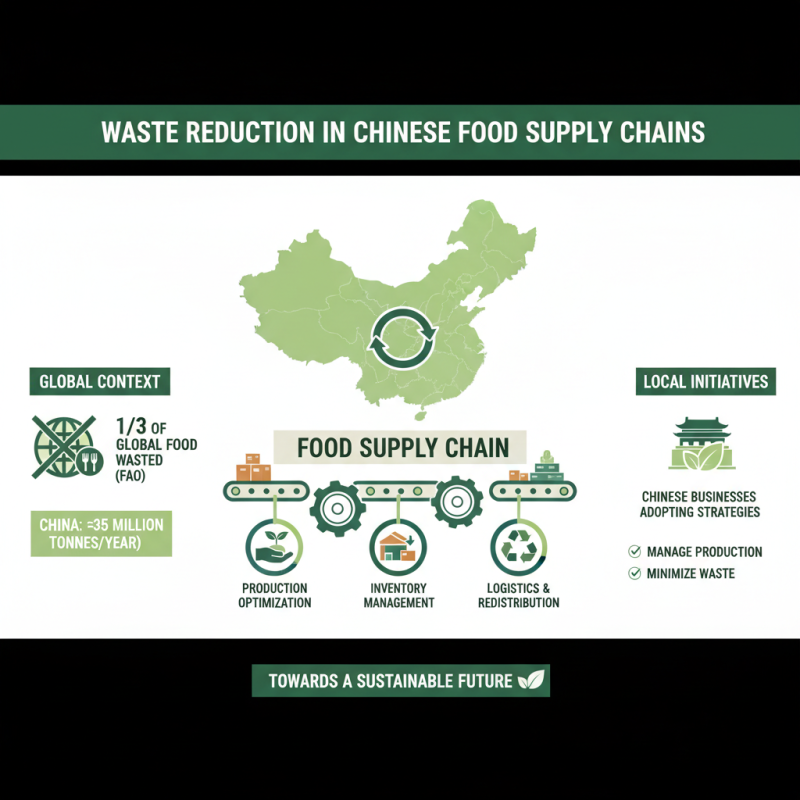
In China, waste reduction is gaining traction within food supply chains, particularly among local businesses. According to a report from the Food and Agriculture Organization, about one-third of food produced globally is wasted. In China, this amounts to nearly 35 million tonnes per year, highlighting a critical need for sustainable practices. Companies are adopting strategies to manage production and minimize waste.
Innovative technologies are transforming traditional practices. For example, digital platforms streamline inventory management, helping to forecast demand accurately. A study by the China Agricultural University noted that efficient transportation and storage methods could reduce food loss by up to 30%. These advancements optimize every stage of the supply chain, cutting waste significantly.
However, challenges persist in implementation. Lack of awareness and training among smaller producers can hinder progress. Additionally, cultural attitudes towards food waste need realignment. Encouragingly, more businesses recognize the importance of addressing these issues. As global buyers focus on sustainability, China’s initiatives will increasingly influence the market landscape.
Sustainable Packaging Solutions Adopted by Chinese Food Producers
Sustainable packaging is gaining momentum among Chinese food producers. As environmental awareness rises, many companies are shifting towards eco-friendly materials. This helps reduce waste and carbon footprints. For example, biodegradable plastics and recyclable packaging are popular choices. Producers aim to meet both consumer demands and regulatory standards for sustainability.
Tips: When considering packaging solutions, assess material sources. Look for certifications that verify eco-friendliness. Engaging local suppliers can also reduce transportation emissions.
Moreover, some Chinese food companies are investing in innovative packaging technologies. Smart packaging, which informs consumers about freshness, is emerging. This not only prolongs shelf life but also reduces food waste. However, the implementation of such technologies can be costly. Producers must weigh long-term benefits against initial expenses.
Tips: Conduct a cost-benefit analysis before making changes. Collaborate with experts to understand market trends. Staying informed about consumer preferences is crucial for success.
Top Food Sustainability Solutions in China for Global Buyers
Collaboration between Local Farmers and International Buyers for Sustainability
Collaboration between local farmers and international buyers is crucial for enhancing food sustainability in China. This partnership can drive innovation in agricultural practices. According to the China Agriculture Outlook Report 2022, sustainable farming methods can reduce resource consumption by up to 30%. Increasingly, international buyers are seeking local products that meet sustainability criteria. This trend not only boosts local economies but also fosters environmentally friendly practices.
Local farmers bring rich traditional knowledge to the table. However, they often lack access to advanced technology and market insights. For instance, a 2021 survey by the United Nations reveals that 68% of farmers express the need for better training and resources to adopt sustainable methods. International buyers can bridge this gap by sharing best practices and investment. This collaboration sometimes faces challenges, such as cultural differences and logistical issues.
It is essential for both parties to align goals for mutual benefit. The potential impact is significant. Enhanced collaboration can improve yield quality while lowering environmental impact. Yet, continuous dialogue and adjustment are necessary to maintain a sustainable supply chain. Effective partnerships require commitment and patience from all stakeholders involved.