What Are Healthy Food Choices for Global Buyers?
Healthy food choices look different across markets, but buyers share one practical challenge: judging food beyond its packaging. A bright label cannot reveal everything. Buyers need to weigh nutritional value, ingredient quality, price, cultural fit, and reliable supply. Michael Pollan, a food writer and professor, offers a concise principle: “Eat food. Not too much. Mostly plants.” It is useful guidance, not a complete purchasing rule.
For global buyers, that principle can mean comparing whole grains, beans, frozen vegetables, and minimally processed options alongside local preferences. A crate of citrus may arrive in excellent condition, while its transport, storage, and price affect whether it makes sense for a particular market. Clear ingredient lists and credible nutrition information help, but standards and labels can vary between countries. Buyers should verify claims against applicable local requirements and dependable supplier documentation.
There are trade-offs. A nutritious product may cost more, have a shorter shelf life, or be unfamiliar to customers. “Healthy” is not always obvious. Even experienced buyers can overvalue polished packaging or overlook practical barriers, such as preparation time. That deserves reflection. This guide explores how buyers can assess healthy food choices through nutrition, sourcing, safety, affordability, and consumer needs—without assuming one product suits every community.
Defining Healthy Food Choices Across Global Markets
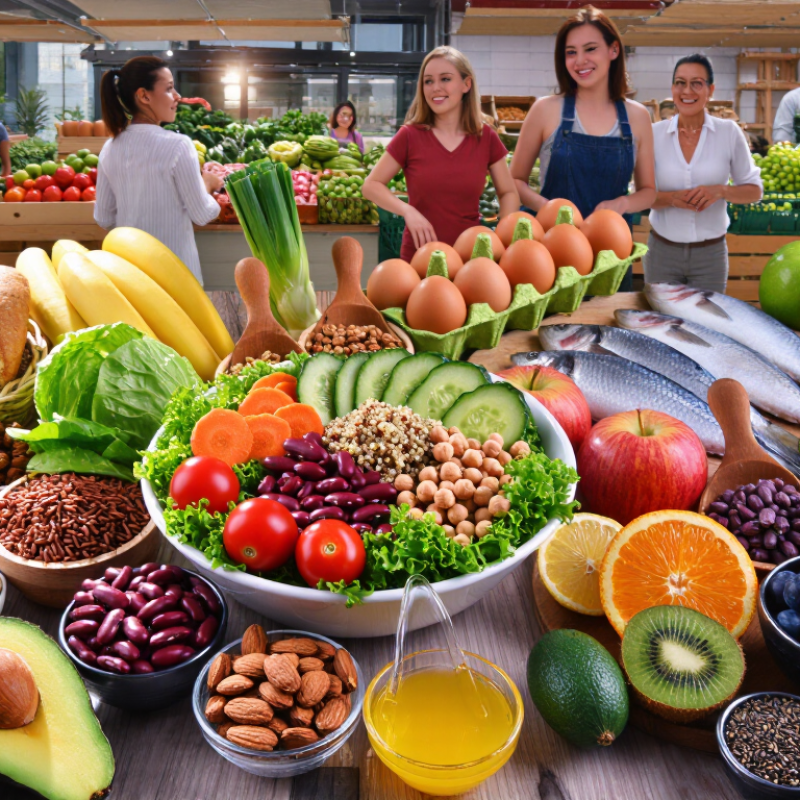
Healthy food does not mean the same plate everywhere. Climate, farming traditions, income, and cultural practices shape what people can buy and eat. In one market, lentils and seasonal greens may be everyday staples; elsewhere, whole-grain bread, beans, or fish may be more practical. A useful definition starts with dietary balance, not a single imported ideal. Small shifts matter.
For buyers comparing products across borders, examine ingredients, serving sizes, and processing, while remembering that label standards vary. A plain yogurt with modest added sugar may suit one routine better than a sweetened drink, but portion size and the wider diet still matter. That detail matters. Clear ingredient lists and reliable handling information are especially useful for chilled goods traveling long distances. Nutrition claims can sound precise while leaving out salt or sugar per serving.
Affordability and availability belong in the definition, too. A nutritious item that spoils before it is used is not a realistic choice. Buyers can consider storage, local cooking habits, and whether a food provides fiber, protein, or key nutrients within a familiar meal. Start with the meal. Even these checks are imperfect: a label cannot capture every household’s needs, and local guidance may change.
Evaluating Nutritional Quality and Ingredient Lists
For global buyers, a nutrition panel is more useful when read beside the ingredient list. Start with the serving size: a small packet may list values for half its contents, while shoppers often eat the whole pack. Compare similar foods per 100 grams when labels allow it. Then check fiber, protein, sodium, and added sugars; no single number defines a healthy choice. Small differences matter.
Ingredients are generally listed by weight, so the first few entries show what makes up most of the food. If sugar, syrup, or refined starch appears early, the product may offer less lasting nourishment than its front label suggests. Look for recognizable ingredients, but do not treat unfamiliar names as automatic warnings. Some additives serve practical purposes, and names can differ across languages and labeling systems. Check allergen statements carefully, especially when packaging is translated. Read closely.
A useful choice also depends on context. A salted soup may be convenient after a long workday, yet frequent high-sodium meals can add up. Pairing it with vegetables or beans may improve the meal, though it does not erase the sodium. I sometimes overvalue short ingredient lists; that shortcut can mislead. A longer list is not automatically worse. Compare the nutrients, portion, and your dietary needs, then choose what you can realistically eat regularly.
What Are Healthy Food Choices for Global Buyers?
Nutritional quality and ingredient-list considerations
How to use this comparison: These generic food values show dietary fiber and total sugars per 100 g. When evaluating ingredient lists, look for recognizable ingredients such as whole grains, legumes, nuts, and vegetables, and compare added sugars and sodium on the product’s nutrition label. Total sugars include naturally occurring sugars and are not the same as added sugars. Values can vary by preparation and product.
Reference: USDA FoodData Central generic food entries. Values are approximate grams per 100 g.
Understanding Food Labels, Certifications, and Safety Standards
For global buyers, a food label is a practical safety tool, not decoration.
The WHO estimates that unsafe food causes 600 million illnesses and 420,000 deaths each year worldwide (WHO, “Food Safety” fact sheet, 2022).
Read the ingredient list, allergen declaration, nutrition values per 100 grams, storage instructions, date marking, and lot code. Compare products using the same serving basis; serving sizes can disguise meaningful differences.
Small print matters.
Certifications can offer evidence of controls, but they are not interchangeable or a guarantee that every batch is safe. Check the certificate’s scope, production site, expiry date, and whether its standards fit the product and supply chain. Codex Alimentarius standards, developed through FAO and WHO, provide an international reference; buyers must also check the requirements of the destination market.
Ask suppliers for traceability records, relevant test results, and clear temperature-control procedures. FAO estimated that 14% of food is lost between post-harvest and retail, excluding retail losses (The State of Food and Agriculture, 2019). That makes handling records worth checking alongside package claims.
Labels can still leave gaps. I would verify key details directly with the supplier.
Balancing Cultural Preferences, Dietary Needs, and Affordability
For global buyers, healthy food must fit both nutritional needs and everyday eating habits. A product rich in fiber may be useful, but only if people know how to prepare and enjoy it. Lentils, for example, can suit familiar stews in some regions and quick salads in others. In places where fresh produce is costly or seasonal, frozen vegetables may offer a practical option. Small details matter.
Cultural preferences shape what shoppers consider appealing, filling, and trustworthy. Buyers can look for adaptable staples, such as grains, beans, and plain canned vegetables, rather than assuming one menu works everywhere. Dietary needs also vary: some people avoid certain ingredients for health, religious, or personal reasons. Clear ingredient lists and allergen information help people make informed choices. Labels can still be confusing across languages, so clarity deserves real attention.
Affordability is part of nutrition, not a separate concern. A lower unit price may not help if a food spoils quickly or requires costly preparation. Comparing cost per serving, storage life, and cooking time gives buyers a fuller picture. Budgets are real. I would not pretend that every household can choose the freshest or least processed option every day. A sensible purchasing plan can include affordable staples, familiar flavors, and a few nutrient-rich foods, while leaving room for local preferences and imperfect trade-offs.
Choosing, Storing, and Preparing Foods for Better Health
For global buyers, healthy choices should fit local meals, budgets, and seasons. WHO recommends at least 400 g of fruits and vegetables daily for people over age ten. Choose varied colors, beans, whole grains, and minimally processed foods. Fresh, frozen, or dried produce can all work; check for added salt or sugar. Read labels carefully, since serving sizes and terms differ between markets. Unfamiliar labels can still be confusing.
Storage matters as much as selection. Keep chilled foods at 4°C (40°F) or below, and refrigerate perishables within two hours. USDA FoodKeeper guidance says most cooked leftovers keep for three to four days in a refrigerator. Separate raw meat from ready-to-eat foods, wash hands, and rinse produce under clean running water. When traveling, cold-chain gaps are easy to miss. Avoid leaking packages or foods that feel warm.
Tips: Plan a few meals before shopping. Put older items near the front. Keep raw foods below ready-to-eat foods in the fridge. No plan is perfect; crowded shelves and busy weeks can undo good intentions.