



Natural Organic Food Products & Ingredient Sourcing Company
What Are China Top 10 Dairy Free Alternatives Suppliers?
The dairy free alternatives market is expanding from a niche category into a serious global supply sector. Retailers, food manufacturers, hotels, and cafés now seek dependable suppliers for oat, soy, almond, coconut, pea, and blended products. However, choosing a suitable partner requires more than comparing prices.
Miyoko Schinner, a plant-based food entrepreneur and dairy alternatives specialist, has said, “The future of food is plant-based.” Her observation reflects a clear shift in consumer demand, but it does not remove practical concerns. Texture, nutrition, allergen management, shelf stability, and regional certification still influence purchasing decisions. Taste matters most.
This article reviews ten leading dairy free alternatives suppliers connected with this changing industry. The selection considers product range, manufacturing capability, export experience, quality systems, and business reputation. It also examines whether suppliers can support private-label development, stable volumes, and transparent ingredient sourcing. These details matter when a smooth oat drink must travel across borders or a coconut-based yogurt must remain consistent on a supermarket shelf.
No supplier is perfect. Some companies offer strong innovation but limited production capacity. Others provide competitive pricing while leaving questions about traceability or technical support. That uncertainty deserves attention. Supplier rankings can also change as markets, regulations, and consumer preferences develop.
The goal is practical guidance, not exaggerated promotion. Readers can use this overview to compare potential partners, identify suitable product categories, and prepare better questions before requesting samples or quotations. A careful evaluation remains essential, especially for businesses entering the dairy free alternatives market for the first time.

What Are Dairy-Free Alternatives and Why Are They Growing in China?
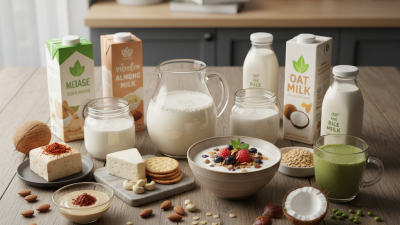
Dairy-free alternatives are foods and drinks made without cow’s milk. They include soy, oat, almond, coconut, and pea-based products. In China, consumers use them in breakfast drinks, coffee, desserts, and cooking. The shift is not only about vegan diets. Lactose sensitivity, changing eating habits, and demand for convenient nutrition also influence purchases.
The Good Food Institute’s 2023 State of the Industry report estimated China’s plant-based milk retail market at about US$2 billion in 2022. Euromonitor International also identified China as one of Asia’s key markets for dairy alternatives. These figures suggest strong commercial potential, but forecasts are not perfect. Price, taste, sugar levels, and nutrition still affect repeat buying. A carton may look modern, yet consumers often compare its protein and calcium with traditional milk.
Tips: Suppliers should test products with local consumers before expanding. Keep labels clear and avoid excessive sweetness. Offer smaller packages for first-time buyers. Fortification with calcium and vitamin B12 may improve nutritional value, but claims require careful verification. Texture matters too. A smooth drink performs better in coffee, while thicker formulas suit yogurt-style products. The market is growing, but growth alone does not guarantee loyalty. Reliable sourcing, sensory testing, and transparent data remain essential.
What Are China Top 10 Dairy Free Alternatives Suppliers?
What Are Dairy-Free Alternatives and Why Are They Growing in China?
| Rank | Supplier Category | Main Raw Material | Typical Product Forms | Common Applications in China | Key Functional or Nutritional Characteristics | Main Growth Drivers | Important Supply and Compliance Considerations |
|---|---|---|---|---|---|---|---|
| 1 | Soy-Based Beverage and Ingredient Suppliers | Soybeans, soy protein isolate, soy protein concentrate | Soy beverage Soy protein powder Soy yogurt base | Plant-based drinks, nutrition products, bakery fillings, sauces, and meat-alternative formulations | Relatively high-quality plant protein; soy proteins can provide emulsification, water binding, and texture development. | Long-standing consumer familiarity with soy foods, domestic soybean-processing capability, and demand for affordable protein sources. | Suppliers should manage allergen declaration, raw-material traceability, protein solubility, off-flavor control, and compliance with China’s food-labeling requirements. |
| 2 | Oat-Based Beverage and Ingredient Suppliers | Oats, oat flour, oat beta-glucan | Oat drink Oat concentrate Barista formulation | Coffee applications, breakfast beverages, ready-to-drink products, cereals, desserts, and foodservice formulations | Oat beta-glucan contributes viscosity and body; oat-based systems can provide a creamy mouthfeel without dairy ingredients. | Growing interest in plant-based coffee, convenient breakfast products, and fiber-containing foods; oat beverages are also suitable for many foodservice uses. | Suppliers need consistent particle size, stable suspension, controlled enzymatic hydrolysis, and clear allergen and gluten-related statements where applicable. |
| 3 | Pea-Protein Suppliers | Yellow peas, pea protein isolate, pea protein concentrate | Protein powder Pea drink base Blended plant protein | Sports nutrition, high-protein beverages, meal replacements, plant-based foods, and dairy-free nutrition products | Useful protein content, dairy-free positioning, and compatibility with blends designed to improve amino-acid balance and texture. | Demand for high-protein, vegan, and lactose-free products; pea protein is frequently combined with oat, rice, or soy ingredients. | Important purchasing criteria include protein percentage, dispersibility, flavor profile, sedimentation performance, and documentation for food safety and origin. |
| 4 | Rice-Based Beverage and Ingredient Suppliers | Rice, rice flour, rice protein | Rice drink Rice syrup Rice protein | Infant and family-oriented food applications, beverages, bakery, desserts, cereal products, and allergen-conscious formulations | Mild flavor and easy formulation; rice-based products are naturally free from lactose and milk proteins. | Demand for mild-tasting alternatives, simple ingredient concepts, and products designed for consumers avoiding dairy or selected allergens. | Suppliers should monitor viscosity, sweetness, arsenic and other contaminant controls where relevant, microbiological safety, and labeling accuracy. |
| 5 | Almond-Based Ingredient Suppliers | Almonds, almond paste, almond flour, almond protein ingredients | Almond beverage Almond paste Dessert base | Premium beverages, bakery, confectionery, coffee, desserts, and plant-based cream formulations | Nutty flavor and premium positioning; almond ingredients can contribute flavor, fat, and creamy sensory characteristics. | Urban premium-food demand, café culture, imported-food exposure, and consumer interest in varied plant-based flavors. | Tree-nut allergen controls are essential. Suppliers also need strong management of oxidation, shelf life, foreign materials, and cold-chain or dry-storage requirements. |
| 6 | Coconut-Based Ingredient Suppliers | Coconut milk, coconut cream, coconut water, coconut oil | Coconut milk Coconut cream Whipping base | Plant-based yogurt, desserts, bakery, sauces, beverages, frozen products, and dairy-free cream alternatives | High fat content in coconut cream supports richness and mouthfeel; coconut ingredients can perform well in dessert and culinary applications. | Demand for dairy-free desserts, Asian-inspired foods, premium beverages, and products with a distinctive tropical flavor profile. | Formulators must manage fat separation, emulsion stability, coconut flavor intensity, oxidation, and the declared ingredient composition. |
| 7 | Cashew-Based Paste and Cream Suppliers | Cashews, cashew paste, cashew butter | Cashew cream Nut paste Cheese-style base | Dairy-free cheese-style products, premium desserts, sauces, bakery fillings, and blended plant-based creams | High solids and a relatively smooth texture after milling; suitable for creamy formulations and premium products. | Growth of vegan foodservice, dairy-free desserts, and premium plant-based products requiring a rich sensory profile. | Suppliers should control nut allergens, rancidity, paste particle size, microbial quality, and separation during storage and transportation. |
| 8 | Hemp and Other Seed-Protein Suppliers | Hemp seeds, pumpkin seeds, sunflower seeds, sesame, and related seed proteins | Seed beverage Seed protein powder Blended protein | Functional beverages, nutrition powders, bakery, snack products, and specialty plant-based formulations | Seeds can provide plant protein, unsaturated fats, minerals, and distinctive flavor; performance varies significantly by seed type and processing method. | Interest in diversified plant proteins, clean-label concepts, sports nutrition, and products with differentiated nutritional stories. | Suppliers must verify botanical identity, food-use status, contaminant limits, allergen requirements, flavor stability, and documentation for each ingredient. |
| 9 | Potato, Pea, and Starch-Based Texture Suppliers | Potato starch, tapioca starch, corn starch, pea starch, and hydrocolloid systems | Thickener system Stabilizer blend Texture improver | Plant-based milk, yogurt alternatives, ice cream alternatives, sauces, puddings, and dairy-free cheese-style products | Starches and hydrocolloids can improve viscosity, suspension, gel strength, freeze-thaw stability, and overall mouthfeel. | Many dairy-free products require texture systems because plant proteins and oils do not naturally reproduce the body and stability of milk. | Suppliers should provide dosage guidance, processing conditions, shear and heat tolerance, ingredient compatibility, and accurate food-additive declarations. |
| 10 | Fortification and Dairy-Free Premix Suppliers | Calcium salts, vitamin D, vitamin B12, plant proteins, flavors, oils, and stabilizers | Complete premix Nutrition blend Application solution | Fortified plant beverages, meal replacements, children’s products, sports nutrition, and ready-to-drink formulations | Helps manufacturers address nutritional gaps that may occur when dairy milk is replaced, especially for calcium, vitamin D, protein, and vitamin B12. | Consumers increasingly compare plant-based products on nutrition, not only on lactose-free or vegan positioning. | Premixes require ingredient compatibility testing, stability validation, permitted-use checks, nutrition calculations, and compliant claims substantiation. |
Why dairy-free alternatives are growing in China: Key drivers include lactose intolerance concerns, vegan and flexitarian diets, demand for plant-based protein, premium coffee and foodservice growth, health-oriented purchasing, product innovation, and wider availability through supermarkets, e-commerce, cafés, and convenience channels.
Data basis: The table summarizes established dairy-free ingredient categories, standard food-processing applications, and commonly recognized supply-chain considerations. Product composition, nutrition values, permitted claims, and labeling requirements must be verified against the applicable Chinese regulations and the final product formula.
Related Posts
-

Top Healthy Snack Foods to Source from China?
-
China Best Nutritional Beverage Products for Health and Wellness?
-
2026 How to Choose the Best Fruit Based Snacks for Your Healthy Diet?
-
Top Healthy Beverage Options from China for Global Buyers?
-
Top 10 Plant Based Lifestyle Products for Global Buyers?
-
Top 10 Dairy Free Alternatives in China You Should Try?