


Careers

Why Choose Organic Food Products for Global Buyers?

For global buyers, organic food products have moved beyond a specialist market. They now represent a measurable opportunity across retail, food service, and private-label supply chains. FiBL and IFOAM Organics International reported that global organic retail sales reached approximately €134.8 billion in 2022. Organic farmland also exceeded 96 million hectares worldwide. The market is substantial.

Recent national data supports this momentum. The Organic Trade Association reported that United States organic sales reached $67.6 billion in 2023. Food remains the largest category. These figures suggest continuing demand for products with verified production standards, clearer sourcing stories, and responsible farm management. However, demand alone does not guarantee commercial success.

Trust must be built through evidence. Buyers should review valid certificates, audit dates, lot-level traceability, ingredient documentation, and handling records. Depending on the destination market, relevant systems may include USDA Organic, EU Organic, or Japan’s JAS standard. Details matter. A carton of organic tea should connect to a certified processor, a documented harvest, and controlled storage conditions. Certification does not automatically prove superior nutrition or universal sustainability. It verifies compliance with defined organic rules.

There are limitations worth acknowledging. FiBL’s global statistics depend on national reporting quality, and certification costs may challenge smaller producers. Standards also differ between markets, creating administrative friction. Still, careful verification can reduce uncertainty and strengthen buyer confidence. For international purchasers, the strongest case for organic food products combines credible data, transparent partnerships, and practical quality control. The opportunity is real, but it requires more than attractive packaging.
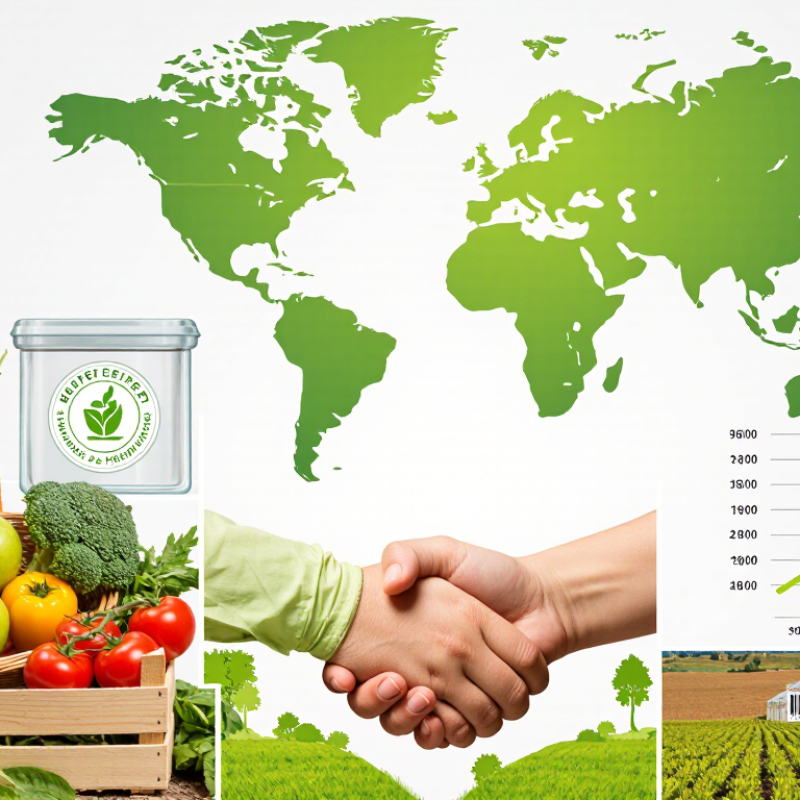
Why Choose Organic Food Products for Global Buyers?

What Organic Food Means in the Global Marketplace

Why Choose Organic Food Products for Global Buyers?

In the global marketplace, organic food means more than avoiding synthetic chemicals. It signals a regulated production method, documented handling, and controlled supply practices. However, organic rules differ across countries and certification systems. A product accepted as organic in one market may need additional verification elsewhere. Buyers should examine certificates, renewal dates, farm records, and processing details before signing contracts.

Traceability gives organic trade practical credibility. A reliable supplier should identify the farm, harvest period, processing site, and storage conditions. These details matter when containers cross several borders.

A buyer may also request residue testing, although testing alone cannot prove organic compliance. Certification remains essential.

Packaging should show accurate ingredients, origin information, and legally approved organic claims. Small details matter.

Organic products can support soil care, careful farming, and transparent relationships with producers. Yet organic does not automatically mean healthier, fresher, or more sustainable in every situation. Transport distance, packaging, water use, and storage can change the wider impact. This is where buyers need honest judgment, not attractive slogans. Market demand is growing, but supply can be seasonal and prices may fluctuate. Some assumptions about organic trade are too simple. Careful verification helps global buyers choose products they can explain confidently to customers.

How Organic Standards and Certifications Are Established

For global buyers, organic certification is not a marketing shortcut. It is a documented control system. Standards are created through legislation, scientific review, public consultation, and stakeholder input. Codex Alimentarius guidelines provide international reference points, while regional rules define production, processing, labeling, and import requirements. The details still differ across markets.

That difference matters. A farm may need an approved organic plan, separated storage, soil records, seed documentation, and supplier traceability. Certification bodies inspect facilities and review records. Accredited authorities then assess whether those bodies work competently and independently. According to the FiBL and IFOAM Organics International report, The World of Organic Agriculture 2024, organic farmland reached 96.4 million hectares in 2022. The global organic market reached about €134.8 billion. Such scale requires consistent verification, not trust alone.

Certification is not a guarantee of perfection. It confirms compliance with defined rules during controlled inspections. Weather damage, record errors, and supply-chain mixing can still create practical risks. Buyers should check the certificate scope, validity date, product category, and transaction documents. They should also compare the applicable importing-country rules. This step is easy to overlook. In my experience, the clearest suppliers explain their controls before being asked, while weaker documentation often signals unresolved gaps.

Why Buyers Choose Organic Products Across International Markets

Global buyers choose organic products for reasons that vary by market. Many value cleaner farming methods, transparent sourcing, and stronger consumer trust. In Europe, buyers may examine certification details closely. In other regions, freshness, soil health, or import documentation may matter more. Organic purchasing is not simply a lifestyle decision. It is also a practical response to changing retail expectations and customer questions.

Tips: Check the recognized organic standards in each target market. Ask suppliers for current certificates, residue testing, and traceability records. Review harvest dates, packaging conditions, and transport temperatures. A clear product file can prevent expensive delays. Small details matter.

Reliable suppliers explain how crops are grown and handled after harvest. They can identify farms, processing sites, and shipment records. This experience helps buyers compare products beyond attractive labels. Still, organic does not automatically mean perfect. Transport emissions, uneven quality, and higher prices can create real concerns. I have found that careful buyers ask uncomfortable questions before committing. That habit often reveals weak documentation or unrealistic claims. Taste also deserves attention. A product may meet organic requirements yet fail to match local preferences. Buyers should test small quantities, collect customer feedback, and adjust orders gradually. Market trust grows through evidence, consistency, and honest communication.

How Organic Farming Affects Health, Soil, and Biodiversity

For global buyers, organic food is more than a clean label. It reflects farming choices made months before harvest. Certified organic systems generally restrict synthetic pesticides and fertilizers, although rules differ across countries. This may matter to consumers seeking lower exposure to certain residues. Yet organic food is not automatically more nutritious. Diet quality, freshness, and crop variety still shape health. Food-safety guidance also recommends washing produce, even when it is organically grown. On a farm visit, the difference may appear in the soil: less reliance on synthetic inputs, more compost, and living roots between crops. These practices can improve soil structure and water retention over time. Results are not instant. Weather, crop rotation, and local management matter greatly.

Healthy soil supports earthworms, fungi, and beneficial microbes. It can also reduce erosion when covered during heavy rain. Organic farms often protect field edges with flowers, hedges, or uncultivated strips. These spaces provide food and shelter for bees, birds, and predatory insects. Biodiversity helps farms respond to pests, but it does not eliminate them. Farmers may still face crop losses during wet or unusually warm seasons. That reality deserves attention. Some organic systems may require more land for the same yield, depending on the crop and location. Buyers should examine certification records, soil practices, and biodiversity measures instead of trusting broad claims. Transparent records build confidence across borders. Small imperfections remain. The label alone cannot reveal every decision behind a harvest.

Why Choose Organic Food Products for Global Buyers? - How Organic Farming Affects Health, Soil, and Biodiversity

Impact Dimension Evidence-Based Indicator Organic Farming Finding Potential Relevance for Global Buyers Evidence Source
Global agricultural land Certified organic agricultural land worldwide Approximately 96.4 million hectares were managed organically in 2022, including fully converted and in-conversion land. Indicates that organic production is an established international supply category rather than a niche farming model. FiBL and IFOAM Organics International, The World of Organic Agriculture 2024
Pesticide exposure Residues and pesticide metabolites in human samples Organic diets are generally associated with lower exposure to several synthetic pesticide residues and metabolites. The size of the reduction varies by food, region, and dietary pattern. Useful for buyers seeking products aligned with reduced dietary exposure to synthetic pesticides, while recognizing that organic certification does not mean zero pesticide use. European Food Safety Authority, The 2022 European Union Report on Pesticide Residues in Food; systematic reviews published in peer-reviewed nutrition and environmental-health journals
Human health outcomes Evidence for long-term disease prevention Some observational studies report associations between organic-food consumption and selected health outcomes, but current evidence does not prove that organic food alone prevents chronic disease. Supports responsible health communication and helps avoid unsupported medical or disease-prevention claims in international marketing. European Parliament Research Service, Human Health Implications of Organic Food and Organic Agriculture; systematic reviews in the British Journal of Nutrition
Soil organic matter Soil carbon and organic matter under organic management Organic systems that use compost, manure, cover crops, and crop rotations can increase soil organic matter and support carbon storage compared with some conventional systems. Results depend on climate, crop, and management quality. May improve long-term soil productivity and support more resilient sourcing in regions exposed to drought or erosion. FAO, The State of the World’s Land and Water Resources; meta-analyses of organic farming and soil carbon published in peer-reviewed journals
Soil fertility Nutrient cycling and biological activity Crop rotations, green manures, compost, and reduced reliance on synthetic inputs can improve microbial activity and nutrient cycling. Nutrient management remains essential to prevent nitrogen or phosphorus losses. Encourages buyers to evaluate both certification and farm-level soil-management practices when assessing supply resilience. FAO, Soil Biology and Soil Health; scientific reviews of organic and agroecological farming systems
Biodiversity on farms Species abundance and richness A major meta-analysis found that organic farming supported approximately 30% greater species abundance and approximately 50% greater species richness on average than conventional farming, although results varied among organism groups and landscapes. Can support sourcing policies focused on pollinators, beneficial insects, farmland birds, and ecological risk reduction. Tuck et al., 2014, “Land-use intensity and the effects of organic farming on biodiversity,” Journal of Applied Ecology
Pollinator protection Pollinator abundance and diversity Organic management is often linked with more diverse and abundant pollinator communities, particularly where farms also maintain flowering field margins, hedgerows, and non-crop habitats. Relevant for buyers of fruits, vegetables, seeds, and other crops that depend directly or indirectly on pollination. Tuck et al., 2014, Journal of Applied Ecology; IPBES, Global Assessment Report on Biodiversity and Ecosystem Services
Water and erosion management Runoff, infiltration, and soil-loss risk Cover crops, crop rotations, mulching, and maintaining soil cover can reduce erosion and improve water infiltration. Organic certification alone does not guarantee that every farm uses all of these practices. Provides a basis for asking suppliers for farm-level data on erosion control, irrigation efficiency, and watershed protection. FAO, Voluntary Guidelines for Sustainable Soil Management; peer-reviewed studies on organic soil-management practices
Antimicrobial use in livestock Routine antibiotic use and preventive practices Organic livestock standards generally restrict routine preventive antibiotic use and require defined conditions for treatment, although detailed rules differ by certification system and country. Important for buyers assessing antimicrobial-resistance risks and animal-production standards across international supply chains. Codex Alimentarius, Guidelines for the Production, Processing, Labelling and Marketing of Organically Produced Foods; national organic regulations
Certification and traceability Verification of production requirements Recognized organic certification normally requires documented production, handling, input, and chain-of-custody controls. Requirements and equivalence arrangements vary among importing markets. Buyers should verify the applicable import standard, certificate validity, scope, transaction records, and residue-control procedures before purchasing. Codex Alimentarius organic guidelines; applicable national and regional organic regulations
Interpretation note: Organic farming outcomes vary with climate, crop, livestock system, certification rules, and farm management. The figures shown are global averages or findings from published studies and should not be treated as guarantees for every organic product.

What Global Buyers Should Consider Before Purchasing Organic Food

Why Choose Organic Food Products for Global Buyers?

Before purchasing organic food, global buyers should verify more than the word “organic” on a label. Certification rules differ between markets, so confirm that the supplier’s certificate is accepted in your destination country. Check its validity, product scope, facility address, and latest audit date. A polished certificate is not enough. Ask for batch records, ingredient origins, and laboratory reports when applicable.

Product quality also depends on handling after harvest. Request details about processing temperatures, storage humidity, packaging materials, and expected shelf life. For chilled goods, review cold-chain procedures and delivery records. Lot codes should connect the finished product with its farm or processing site. This makes recalls and quality checks more manageable. A common mistake is focusing on price while overlooking documentation delays, damaged cartons, or inconsistent harvest volumes. Organic supply can be seasonal. Plan with that reality.

Tips: Ask for a sample shipment before placing a large order. Compare the label with local import rules. Confirm allergen statements and required language. Review whether packaging protects the product during long transport. Speak directly with the quality manager, not only a sales contact. Small gaps matter. If a supplier cannot clearly explain traceability, testing, or corrective actions, pause the purchase. Even experienced buyers can miss details when deadlines feel urgent. Reliability grows from evidence, not promises.