Why Is Chili Sauce a Global Bestseller?
Why Is Chili Sauce a Global Bestseller? The answer begins with a small bottle, a sharp aroma, and a flavor that changes ordinary food within seconds. Chili Sauce adds heat, sweetness, acidity, salt, and sometimes deep fermented notes. It works on noodles, grilled meat, eggs, rice, sandwiches, and vegetables. Few condiments travel so easily between kitchens.
David Tran, founder of Huy Fong Foods, once said, “I don’t make it for everybody. I make it for myself.” That sentence reveals an important business lesson. Strong products often begin with personal taste, not committee decisions. Tran’s experience also shows how consistency, recognizable packaging, and loyal customers can build international demand. In many homes, the familiar red sauce and green cap feel almost permanent.
The market is also practical. Chili Sauce is affordable, portable, and simple to use. Restaurants can place one bottle on every table, while shoppers can choose mild, smoky, fruity, or intensely hot varieties. Fermentation and careful processing can improve flavor and support reliable shelf life. However, global success is not only about heat. It depends on local recipes, ingredient quality, food safety, and honest labeling.
There is a weakness in this explanation. Taste is personal, and sales data cannot fully measure emotional attachment. Some consumers want fire. Others want balance. A sauce may cross borders, yet fail in a single neighborhood. That tension makes Chili Sauce interesting: it feels universal, but its meaning remains deeply local.
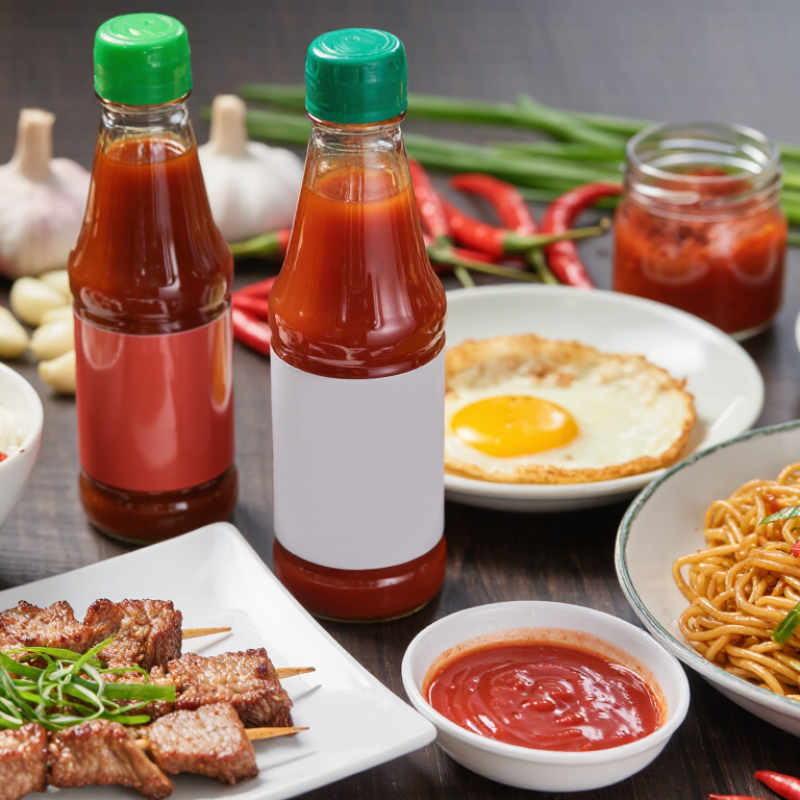
Defining Chili Sauce: Ingredients, Heat Levels, and Global Product Types
Why Is Chili Sauce a Global Bestseller?
Defining Chili Sauce: Ingredients, Heat Levels, and Global Product Types
Chili sauce usually combines peppers, acid, salt, and sometimes sugar, garlic, or spices. Its texture may be smooth, chunky, oily, or lightly fermented. Each ingredient changes the eating experience. Vinegar adds brightness, while sugar softens sharp heat. Salt strengthens flavor but can quickly dominate a recipe.
Heat levels are often described with Scoville Heat Units, or SHU. This scale measures capsaicin, the compound responsible for chili heat. Still, numbers do not tell the whole story. Oil, acidity, serving size, and personal tolerance affect perceived intensity. A sauce can taste fiery on a spoon but feel balanced over noodles or grilled vegetables. I once judged a sauce only by its heat rating, and missed its roasted aroma completely.
Global product types reflect local cooking habits. Vinegar-forward sauces work well with fried foods and seafood. Fermented pepper sauces offer deeper, savory notes. Thick chili pastes can season marinades, soups, and rice dishes. Oil-based sauces often include fried chili pieces, garlic, or seeds, creating a crisp texture. Some products are mild enough for everyday cooking, while others are designed for small drops. Read the ingredient list carefully. Refrigeration advice, acidity, and allergen information can vary by product. Even experienced cooks sometimes add too much, especially when the sauce tastes gentle at first.
Global Market Scale: Grand View Research’s Hot Sauce Revenue Forecasts
Why Is Chili Sauce a Global Bestseller?
Chili sauce has moved from a regional condiment to a routine kitchen purchase. Consumers add it to noodles, grilled meat, eggs, and street-food snacks. A small bottle can change a plain meal within seconds. This convenience supports repeat sales across supermarkets, restaurants, and online grocery channels. Yet taste is not the only driver. Longer shelf life and compact packaging also make chili sauce easy to distribute.
Grand View Research estimated the global hot sauce market at about USD 2.29 billion in 2023. Its report forecasts a 7.3% compound annual growth rate from 2024 to 2030. That pace suggests a market reaching roughly USD 3.7 billion by 2030, if the forecast holds. Fortune Business Insights reported different figures, valuing the market at approximately USD 2.16 billion in 2023. It projected a slower 5.9% CAGR through 2032. That gap matters.
The difference likely comes from category definitions, regional coverage, and research methods. “Hot sauce” may include chili pastes, cooking sauces, and table sauces in one report. Analysts should compare boundaries before comparing revenue. Market behavior still offers clear evidence. Heat levels are becoming more varied, from mild household sauces to intensely spicy formats. Smaller packs can reduce trial risk. Transparent ingredient labels may also build trust, although consumer interest does not always become a purchase. Forecasts are useful, but they are not promises.
Why Is Chili Sauce a Global Bestseller?
Global Market Scale: Hot Sauce Revenue Forecasts
The global hot sauce market was estimated at approximately US$2.62 billion in 2023 and is projected to reach about US$4.47 billion by 2030. This growth reflects rising demand for spicy flavors, broader international food adoption, and expanding retail and food-service distribution.
Source: Grand View Research, global hot sauce market estimates and forecast for 2024–2030.
Supply at the Source: FAOSTAT Data on Worldwide Chili-Pepper Production
Why Is Chili Sauce a Global Bestseller?
Supply at the Source: FAOSTAT Data on Worldwide Chili-Pepper Production
Chili sauce begins with a crop, not a clever label. FAOSTAT, maintained by the Food and Agriculture Organization, records worldwide agricultural production data. Its figures help explain why chili-based foods appear across so many cuisines. Production volume, harvested area, and yield can reveal where supply is strong and where farming faces pressure. A large harvest supports processing, cooking, drying, and export activity. That broad supply gives chili sauce a practical advantage in global food markets.
The data requires careful reading. FAOSTAT entries depend on national reporting, and classifications may differ between fresh and dried peppers. Some figures are estimates. The picture is useful, but not flawless. Production alone cannot prove that chili sauce is a bestseller. Taste, price, transport, preservation, and changing food habits also matter. Still, steady pepper production creates the raw material behind familiar heat in kitchens worldwide. Weather remains a serious weakness. One poor season can change local prices quickly.
Tips: Compare production with harvested area and yield, not volume alone. Check the year and crop category before making claims. Look for repeated patterns across several years. Local reports can add useful detail, especially where official data is limited. A cautious reader should ask one more question: does higher production reflect stronger demand, or simply better weather?
From Fermentation to Packaging: The Industrial Chili-Sauce Value Chain
Chili sauce becomes a global bestseller through a carefully controlled value chain. Fresh chilies arrive with different colors, sizes, and heat levels. Processors inspect them before washing, trimming, and grinding. This step affects flavor, texture, and food safety.
Fermentation creates deeper taste, but it also demands patience and measurement. Salt levels, temperature, acidity, and time must remain within tested limits. In industrial facilities, sensors track each batch while trained workers check aroma and appearance. The process is efficient, yet not flawless. A small temperature shift can change the final profile. I think producers sometimes trust equipment too much. Human observation still matters.
After fermentation, blending adds vinegar, spices, sweeteners, or oil. The sauce then passes through heat treatment, filling, sealing, and inspection. Packaging protects the product from light, air, leakage, and contamination. A clean label helps, but accurate labeling matters more.
Tips: Choose packaging that matches the sauce’s acidity and storage needs. Test the cap for leaks. Leave consistent headspace. Record every batch. Small details prevent expensive waste.
Yet one lesson deserves attention: longer shelf life should never replace honest quality checks.
Global Demand and Trade: NielsenIQ Consumer Data and ITC Export Statistics
Why Is Chili Sauce a Global Bestseller?
Chili sauce travels well because it adds heat, acidity, and color to ordinary meals. A few drops can transform noodles, grilled meat, rice, or vegetables. NielsenIQ’s global consumer research consistently shows strong interest in convenient foods and new flavor experiences. Its 2024 Consumer Outlook also highlights continued price pressure, making affordable flavor products attractive. Chili sauce fits this tension: consumers can experiment without replacing an entire meal.
Trade data supports this wider demand. ITC Trade Map records global exports of “other sauces and preparations” under HS 210390 at more than US$13 billion in 2023. This category includes chili sauce, but it is broader than chili products alone. That limitation matters. Export statistics cannot identify every bottle of chili sauce, yet they reveal a large, active international market. Containers move from major food-processing regions to supermarkets, restaurants, and small retailers worldwide.
On the shelf, packaging size often reflects local habits. Small bottles suit first-time buyers, while larger formats serve restaurants and frequent home cooks. NielsenIQ data also points to cautious spending, so shoppers may compare price per serving carefully. Heat level remains difficult to standardize. “Medium” in one market can feel intense in another. That is a practical gap exporters must address through clear labeling, sensory testing, and reliable product information. The market is growing, but not every export statistic equals genuine chili-sauce demand.