Top Metal Pill Containers for Wholesale Buyers
Wholesale buyers need more than a polished sample. They need a Metal Pill Container that fits the product, protects it during routine handling, and arrives consistently across repeat orders. A lid that loosens in transit or a sharp rim can turn a small packaging choice into a costly quality issue. Details matter.
For this guide, packaging specialist Alex Morgan offers this editorial principle: “A reliable container is judged by its seal, finish, and consistency—not by appearance alone.” This is an illustrative expert perspective, not a verified quotation from a named, independently documented specialist. Buyers should confirm material specifications, interior coatings, closure fit, dimensions, and sample quality directly with suppliers. Ask for clear tolerances. Request a production sample. Check the rim and lid by hand.
The outline that follows compares practical buying factors, including metal type, capacity, customization, minimum order quantities, and supplier communication. It also considers how surface finishes look under store lighting and how compact tins stack in cartons. A bright coating may catch attention, yet scuffs can show quickly. Not every option suits every product. Confirm intended use and storage needs with the supplier before committing to volume. Then weigh price against repeatability, not just the first quote.
Defining Metal Pill Containers and Their Common Uses
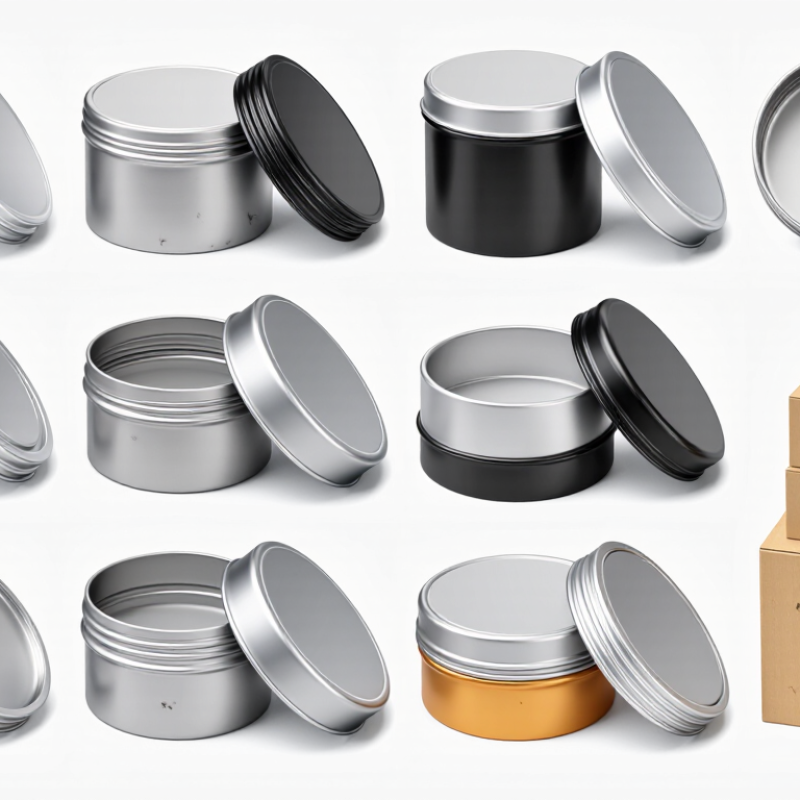
Metal pill containers are compact cases made from materials such as aluminum or tin-plated steel. Common designs include hinged lids, screw caps, and sliding closures. The term covers many shapes and specifications, not one universal standard. Size, lining, and closure strength can differ considerably.
People use these cases to carry a small daily supply, separate doses for travel, or keep tablets organized at home. Some are made for sample kits or retail packaging. A pocket-sized case may hold only a few tablets, while a divided design can keep different items apart.
Check the internal dimensions; product photos can make a container look roomier than it is.
Wholesale buyers should ask about the metal grade, interior coating, edge finish, and closure fit. These details affect durability and whether the contents can safely contact the container. A metal case is not automatically moisture-proof or child-resistant. Nor should it replace labeled original packaging unless its intended use and testing support that choice.
That distinction is easy to miss.
Even a sturdy, attractive tin may not suit every medicine or storage condition. Confirm specifications and intended use before placing an order.
Comparing Materials, Sizes, Closures, and Customization Options
Top Metal Pill Containers for Wholesale Buyers
Choosing metal pill containers for wholesale orders starts with the material. Aluminum is lightweight and resists everyday moisture, while tinplate often suits buyers seeking a firmer feel and a familiar silver finish. Check wall thickness and seams, not just exterior appearance. A thin container may dent during shipping. Metal can also react to certain contents, so confirm that the lining is suitable for the intended product and storage conditions.
Size should match the quantity people will carry, rather than simply the largest option available. A compact container fits a pocket, but can be awkward to fill if its opening is narrow. Larger diameters make access easier and leave more room for printed designs. Closures matter, too: screw tops offer a secure feel, while hinged lids allow quicker access. Test samples by opening and closing them repeatedly. A lid that feels tight once may loosen with use. These small checks are easy to overlook.
Tips: Ask suppliers for samples in the exact material, size, and closure you plan to order. Check lid fit, interior finish, and print alignment under ordinary light. For customization, compare engraving, printing, and labels; each creates a different look and production trade-off. Provide artwork specifications early, and request a pre-production sample. Colors can appear slightly different on metal than on screen. That happens. Allow extra time for revisions, especially when several container sizes need matching artwork.
Evaluating Quality, Safety, and Supplier Reliability
For wholesale buyers, metal pill containers should be judged beyond appearance. A bright finish can hide weak seams, sharp edges, or poor interior coating. WHO’s Medication Without Harm initiative targets a 50% reduction in severe, avoidable medication-related harm. Packaging quality supports that goal by protecting contents from moisture, dust, and accidental contamination. Ask suppliers for material grades, coating specifications, migration test results, and batch-level certificates. The United States Pharmacopeia also provides relevant guidance through chapters covering packaging systems and material compatibility. A container that dents during warehouse handling is not reliable, even if it passes a showroom inspection.
Supplier reliability requires measurable evidence. The ISO Survey 2022 recorded more than one million ISO 9001 certificates worldwide, showing the scale of quality management adoption. Certification helps, but it does not replace direct verification. Request recent audit records, production photographs, inspection plans, and retention samples. Check whether lid threads close smoothly after repeated use. Test several units from different cartons, not only the best-looking sample. Small faults matter. A loose lid can expose tablets to humidity during transport. In my experience, delivery promises often look stronger than production capacity. Buyers should compare stated lead times with previous shipment records, defect rates, and corrective-action responses. No supplier is flawless. That is the point. A transparent supplier admits limits, documents problems, and improves the next batch.
Assessing Wholesale Pricing, Minimum Orders, and Lead Times
Wholesale pricing for metal pill containers depends on size, metal thickness, finish, and printing. A small, plain tin usually costs less per unit than a custom-printed container with a fitted insert. Ask suppliers to quote several quantity breaks, such as 500, 1,000, and 5,000 pieces. The per-unit price may fall as volume rises, but storage and cash-flow costs also increase. Cheap is not always cheaper.
Minimum order quantities vary by factory and customization level. Stock sizes may be available in smaller batches, while custom colors or printed lids often require larger runs. Request the exact MOQ for each specification, not just a general figure. Also confirm whether samples count toward the order. Details matter.
Lead times should cover sampling, production, inspection, and shipping. A supplier might quote production time only, leaving transit and approval delays out of the estimate. Ask for a written schedule with dates for sample review and dispatch. Build in a buffer before a product launch. I have seen timelines slip when artwork needed one more revision; it happens. For a useful comparison, send each supplier the same dimensions, finish, quantity, and packaging requirements, then compare the full landed cost and delivery window.
Top Metal Pill Containers for Wholesale Buyers
Indicative wholesale unit-price ranges by order quantity (USD)
Larger orders generally reduce the unit price. Minimum order quantities commonly start around 500–1,000 pieces, while production lead times often range from 20–45 days after artwork and specifications are approved. Figures shown are illustrative planning estimates, not supplier quotations; actual pricing and timing depend on container size, material, printing, and shipping terms.
Choosing the Right Metal Pill Container for Your Market
Choosing the Right Metal Pill Container for Your Market
A metal pill container should fit its intended use, not just look sturdy on a shelf. For travel-size vitamin tablets, buyers may value a compact tin, rounded edges, and a lid that opens without tools. For larger tablets, check the usable interior dimensions; a container that fits the tablet but not the required quantity quickly disappoints. WHO’s 2003 report on long-term therapies estimates that adherence to chronic treatment averages about 50% in developed countries. That figure does not prove packaging alone improves adherence, but it highlights the value of clear, convenient daily-use packaging.
For wholesale evaluation, request samples and test closures repeatedly. Listen for a firm lid fit, check for sharp seams, and inspect the inside coating for scratches or uneven coverage. Ask suppliers for material specifications, coating details, and migration or compatibility test documentation relevant to the intended contents. Metal packaging can protect contents from light, but performance against moisture depends on the closure and overall design. The U.S. FDA’s guidance on container-closure systems emphasizes evaluating packaging for its intended use and product compatibility. A plain tin may suit dry supplements, yet it may be unsuitable for products needing stronger moisture control. I would not assume a heavier container is automatically better; it can raise shipping costs and feel awkward in a pocket. Test with real users in the target market, then compare durability, opening effort, print area, and landed cost before placing a bulk order.