How to Use Gibberellic Acid for Improved Plant Growth?
Gibberellic acid (GA3) is a powerful plant growth regulator. It plays a crucial role in various plant processes. Dr. Jane Smith, a renowned horticultural scientist, states, "Gibberellic Acid can unlock the full potential of many crops." This highlights its significance in modern agriculture.
Using Gibberellic Acid can enhance seed germination and improve flowering. Many farmers and gardeners utilize it to achieve robust plant growth. However, the timing and dosage are essential for success. Over-application may lead to undesirable outcomes, such as excessive stem elongation. Therefore, precise measurement and application are critical.
Research shows that correct use of Gibberellic Acid can lead to higher yields. It is especially noted in crops like barley and grapes. However, inexperienced users might face challenges in achieving optimal results. Understanding the specific needs of different plants is vital. The journey with Gibberellic Acid demands attention and reflection on practices for continuous improvement.
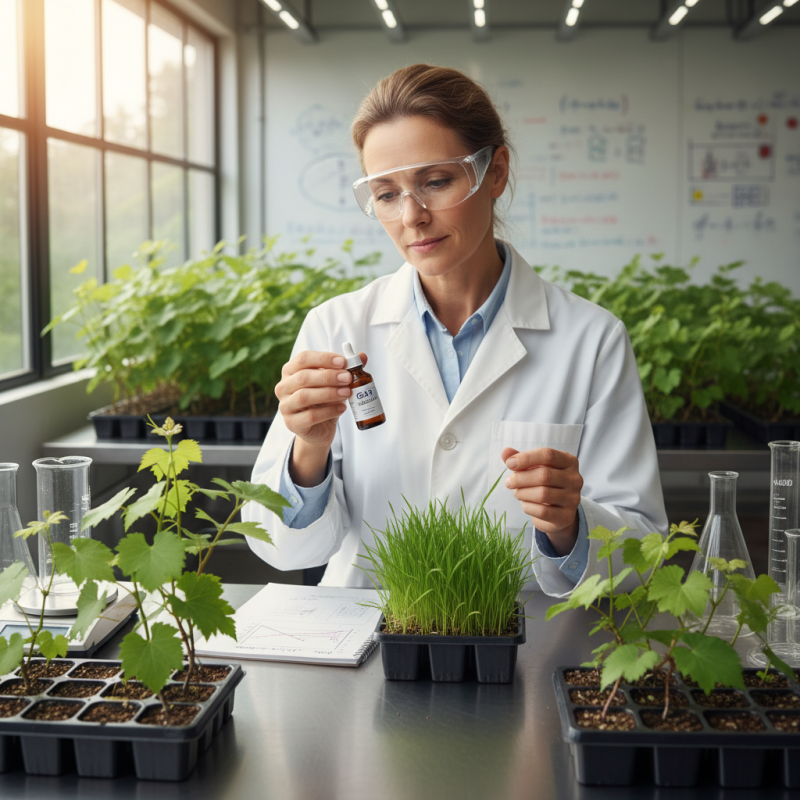
Understanding Gibberellic Acid and Its Role in Plant Growth
Gibberellic acid is a plant hormone that plays a crucial role in promoting growth and development. It affects various processes, including seed germination, stem elongation, and flowering. This natural compound, produced by fungi, is essential for many plant species. Understanding how it interacts with growth processes can help gardeners and farmers optimize plant health.
One significant benefit of gibberellic acid is its ability to break dormancy in seeds. For instance, many seeds require specific conditions to germinate. By applying gibberellic acid, gardeners can induce faster and more uniform germination. This can be particularly useful for seeds with tough coats or those that need cold stratification. Moreover, gibberellic acid also enhances fruit set and size in several crops, making it a vital tool for agricultural practices.
However, using gibberellic acid requires careful consideration. Over-application can lead to excessive stem elongation, which might weaken the plant. Additionally, it can cause poor fruit development in some cases. Regular observation and adjustments are key to maximizing its benefits while minimizing potential downsides. Understanding the specific needs of your plants is vital in using this hormone effectively.
Selecting the Right Concentration of Gibberellic Acid for Your Plants
When using gibberellic acid, selecting the right concentration is crucial for optimizing plant growth. Gibberellic acid (GA3) can stimulate seed germination, elongate stems, and improve fruit set. However, different plants respond variably to concentrations. For example, some crops may thrive with a 50 to 100 ppm solution, while others might require higher concentrations to see any benefit.
It's important to conduct small-scale trials before widespread application. Start with lower concentrations to evaluate plant response. Monitor growth patterns, leaf size, and overall vigor. If necessary, adjust the concentration gradually. Too much gibberellic acid can lead to leggy plants or weakened stems, which might result in decreased productivity.
Using GA3 is not without its challenges. Environmental factors, such as temperature and humidity, can affect its efficacy. Even differing plant genetics can yield unexpected results. Take note of each plant's specific needs and adjust your approach accordingly. Regular observation and document findings can help refine your technique. Balancing concentration with plant type requires patience and ongoing reflection to achieve the best growth outcomes.
Methods of Application: Foliar Spray vs. Soil Drench
Foliar spray and soil drench are two effective ways to apply gibberellic acid to enhance plant growth. When using a foliar spray, mix the gibberellic acid with water and apply directly to the leaves. This method allows for quick absorption. Plants can take in nutrients fast through their leaves. It's essential to ensure even coverage. A fine mist helps to reduce runoff. However, over-application can cause leaf burn. Timing the application is critical; early morning or late afternoon is best.
On the other hand, soil drench involves applying the solution directly to the soil. This method ensures that roots absorb the gibberellic acid effectively. It can be easier to apply to larger plants. However, it may take longer to see results compared to foliar spray. Soil conditions can also affect absorption. Testing soil pH and moisture levels is wise. Neglecting these factors can lead to underwhelming results. Both methods offer unique benefits, but also require careful consideration.
Comparison of Gibberellic Acid Application Methods
This bar chart illustrates the percentage of plant growth improvement achieved through two different methods of applying Gibberellic Acid: Foliar Spray and Soil Drench. The data indicates that Soil Drench can lead to a higher improvement percentage compared to Foliar Spray.
Timing Your Application for Maximum Effectiveness
Timing your application of gibberellic acid is crucial for enhancing plant growth. Research indicates that the best time for application is during early stages of plant development. A study published in the Journal of Agronomy suggests that applying gibberellic acid when seedlings are emerging can significantly improve germination rates by up to 30%. This insight highlights the importance of aligning the application with plant growth cycles.
However, not all plants respond the same way. Some species may need a second application if growth stagnates. A report from the American Journal of Botany found variations in optimal timing based on the type of plant. For instance, fruit-bearing plants may benefit most when applied just before flowering. In contrast, leafy greens could show improvements if treated earlier in their growth cycle.
Monitoring environmental factors is also essential. Temperature and humidity can influence the effectiveness of gibberellic acid. If conditions are too dry or too cold, the results may not be as expected. Additionally, reflecting on past applications can help refine future strategies. Consider documenting outcomes to understand what worked and what didn’t. This iterative approach will enhance your understanding of the timing needed for optimal results.
Monitoring Plant Responses and Adjusting Treatments as Necessary
Monitoring plant responses to gibberellic acid (GA) applications is crucial for optimizing growth and yield. Research indicates that GA can stimulate stem elongation and enhance fruit development. However, it is essential to observe how different plant varieties react to the treatment. Responses can vary significantly, with some plants showing robust growth while others may exhibit elongation instability.
Adjustments may be necessary based on these observations. For example, excess GA can lead to weak stems in some species, making them prone to lodging. A study published in the Journal of Plant Growth Regulation found that the optimal GA concentration could differ by plant type. Monitoring leaf color and stem thickness can provide valuable insights. If a plant appears overly stretched or pale, it may suggest an overapplication of GA.
Data from agricultural studies suggest that regular monitoring of growth indicators can help refine treatment protocols. Weekly assessments allow growers to make timely adjustments. These could include reducing GA concentrations or altering the application frequency. Understanding plant physiology, alongside the use of GA, empowers growers to achieve more predictable outcomes while minimizing risks associated with hormonal treatments.