Top 10 Types of Electric Meter Boxes You Need to Know?
Understanding the Types Of Electric Meter Boxes is crucial for any property owner. These boxes play a significant role in power distribution. They house the necessary equipment for measuring electricity consumption.
There are various types of electric meter boxes available. Each serves a specific purpose and suits different settings. Knowing the types of electric meter boxes helps in selecting the right one for your needs. This knowledge is essential for compliance and efficiency.
Yet, many people overlook the importance of these boxes. They often choose based on price rather than suitability. This can lead to problems in the long run. Choosing the correct type ensures safety and reliability. Therefore, familiarity with the types of electric meter boxes matters more than one might think.
Types of Electric Meter Boxes: An Overview of Common Options
When considering electric meter boxes, it’s essential to understand the different types available. Common options include surface-mounted and recessed boxes. Surface-mounted boxes are easy to install on the wall and provide straightforward access. However, they may not be aesthetically pleasing for some homeowners. On the other hand, recessed boxes fit neatly into wall structures, providing a cleaner look but requiring more complex installation.
Several materials are used in electric meter boxes. Metal boxes are durable and often used in commercial settings. They withstand harsh environmental conditions but can be heavier. Plastic boxes are lightweight and resistant to corrosion. While they might not offer the same durability as metal, they are often more affordable.
Tips: Always verify local building codes before installing a meter box. This ensures compliance and safety. Consider your environment, too. An outdoor box in a damp area may need additional protection. Lastly, review installation manuals carefully, as a small mistake can lead to significant issues later on.
Residential Electric Meter Boxes: Features and Benefits
Residential electric meter boxes play a crucial role in managing power supply at home. These boxes house the electric meter, which measures energy consumption. They vary in design but share common features that enhance functionality.
One key benefit of residential electric meter boxes is their ability to ensure safety. They protect the meter from environmental elements. This feature can prevent damage from weather conditions, reducing maintenance issues. The boxes are also built to comply with local regulations, ensuring reliability in electricity distribution.
However, not all meter boxes are created equal. Some homeowners may overlook the importance of choosing the right type. A box that isn’t suitable may limit access for maintenance or repair. This can lead to increased costs in the long run. Understanding the variety of options available is essential for making an informed choice. By considering aspects like material, size, and installation location, homeowners can optimize their energy management efficiently.
Commercial Electric Meter Boxes: Key Characteristics
When considering commercial electric meter boxes, several key characteristics stand out. These meter boxes are designed for high-capacity operations. They can handle significant electrical loads, making them essential in commercial settings. According to industry reports, the total number of commercial electric meters in the U.S. has surpassed 20 million, indicating a growing reliance on these devices.
A critical aspect of commercial electric meter boxes is their construction. They are often made from durable materials like steel or high-grade plastic. These materials ensure they can withstand adverse weather and physical stress. Furthermore, advanced features like tamper-proof designs help maintain integrity. Reports show that theft or tampering incidents have increased, highlighting the need for secure boxes.
Accessibility is another vital characteristic. Many commercial electric meter boxes provide easy access for utility workers while ensuring safety for the public. Some models incorporate smart technology features, allowing for remote monitoring and data collection. These innovations can improve efficiency but may also raise questions about privacy and data management. As businesses transition to greener practices, the demand for innovative meter box solutions continues to rise.
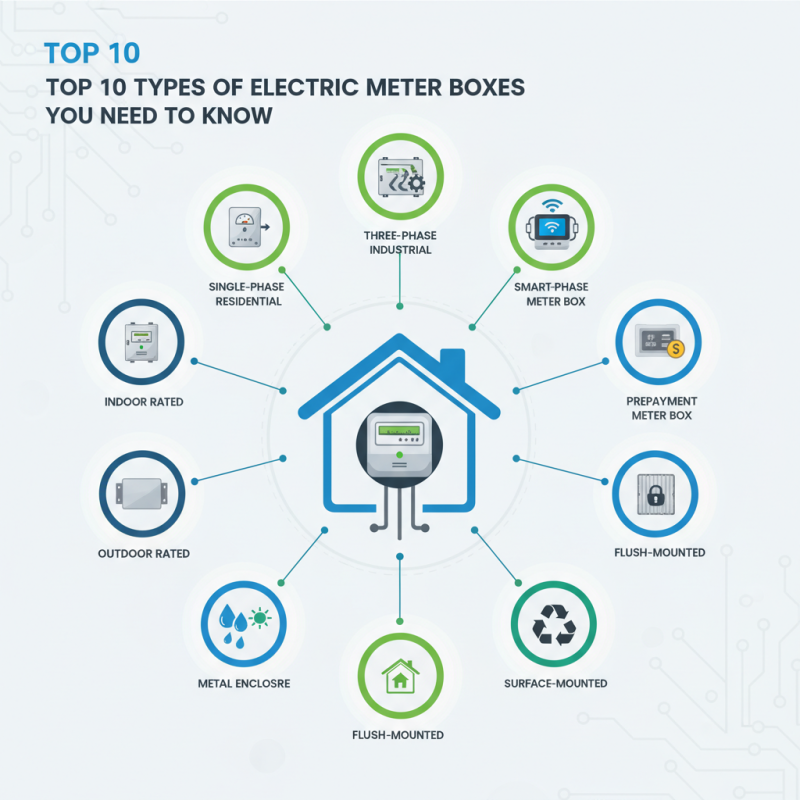
Top 10 Types of Electric Meter Boxes You Need to Know
| Type | Material | Size (inches) | Installation Type | Key Characteristics |
| Single Phase Meter Box | Plastic | 12 x 18 | Wall-mounted | Weather resistant, lightweight |
| Three Phase Meter Box | Metal | 24 x 30 | Ground-mounted | Durable, tamper-proof |
| Smart Meter Box | Polycarbonate | 15 x 20 | Wall-mounted | Wi-Fi enabled, real-time data |
| CT Meter Box | Steel | 18 x 24 | Ground-mounted | High capacity, secure |
| Analog Meter Box | Plastic | 10 x 15 | Wall-mounted | Cost-effective, easy to read |
| Revenue Grade Meter Box | Aluminum | 16 x 22 | Ground-mounted | Accuracy-focused, high precision |
| Submetering Box | Polymeric | 12 x 12 | Wall-mounted | Compact, multi-function |
| Load Management Meter Box | Plastic | 14 x 18 | Wall-mounted | Smart features, energy monitoring |
| Surge Protective Meter Box | Metal | 20 x 24 | Ground-mounted | Protection against spikes |
| Outdoor Meter Box | Weatherproof fiberglass | 18 x 18 | Floor-mounted | UV resistant, corrosion-proof |
Smart Electric Meter Boxes: Innovations in Energy Monitoring
Smart electric meter boxes are changing how we monitor energy consumption. These devices provide real-time data. Homeowners can track their energy use efficiently. Innovations in smart meter technology offer remote access and better insights into energy habits. Users can receive alerts about unusual usage patterns, helping to prevent waste.
Tips for optimizing energy use include regularly checking your smart meter readings. This can reveal trends and peak usage times. Consider setting goals to reduce consumption based on this data. For instance, many find that adjusting usage during peak hours significantly lowers bills. Small changes can lead to impactful savings over time.
While smart electric meter boxes provide multiple benefits, challenges remain. Some users may struggle with technology. It can be overwhelming to interpret the data. Therefore, taking time to learn about your meter's features is essential. Familiarity breeds efficiency in monitoring energy consumption. Balancing technology with user competence is key to maximizing benefits.
Choosing the Right Electric Meter Box for Your Needs
When choosing the right electric meter box, several factors must be considered. The type of box impacts safety, reliability, and longevity. According to the National Electrical Manufacturers Association (NEMA), nearly 30% of electrical failures are linked to improper installations or the wrong equipment.
Material plays a significant role. For example, weather-resistant boxes are essential for outdoor installations. They protect against moisture and corrosion. A report by the Electrical Safety Foundation International (ESFI) found that improper box materials account for 15% of electrical incidents. Understanding local codes and regulations is also crucial. These regulations often dictate the specifications your box must meet.
Size and capacity are equally important. Selecting a box too small for your needs can lead to overheating and system failures. A study by the Institute of Electrical and Electronics Engineers (IEEE) revealed that undersized boxes increase operational costs by up to 20%. Frequent evaluations and updates to your electrical system ensure it meets current demands and standards. Striking a balance between capacity and safety is vital for long-term efficiency.