Top 10 Tea Sorting Machine Suppliers for Global Buyers?
Tea is a global agricultural commodity, and small sorting decisions can affect the value of every shipment. FAOSTAT reported roughly 6.7 million tonnes of tea production worldwide in 2022, underscoring the scale of the supply chain. For buyers, a Tea Sorting Machine is not simply a faster way to remove discolored leaves. It can help separate grades, reduce visible foreign material, and support more consistent batches. Yet performance depends on the tea itself: leaf size, moisture, dust, and processing style all matter.
The right supplier should explain those trade-offs clearly. Ask for trials using your own samples, not only polished demonstration footage. Watch the reject chute. Check whether fine fragments are lost with unwanted material. Request throughput figures, service-response times, and the assumptions behind quoted accuracy. Short tests can mislead. A machine may perform differently after hours of dusty operation.
Quality-management expert W. Edwards Deming wrote, “Quality comes not from inspection, but from improvement of the production process.” That principle applies to sorting lines, where calibration, maintenance, and operator training shape results. This guide compares ten suppliers for global buyers, focusing on sorting technology, application support, customization, and after-sales service. Supplier claims should still be verified against independent trials and written specifications. One limitation deserves attention: publicly verifiable quotations from named Tea Sorting Machine specialists are scarce, so this introduction avoids assigning an unverified quote to an industry expert.
What Is a Tea Sorting Machine and How Does It Work?
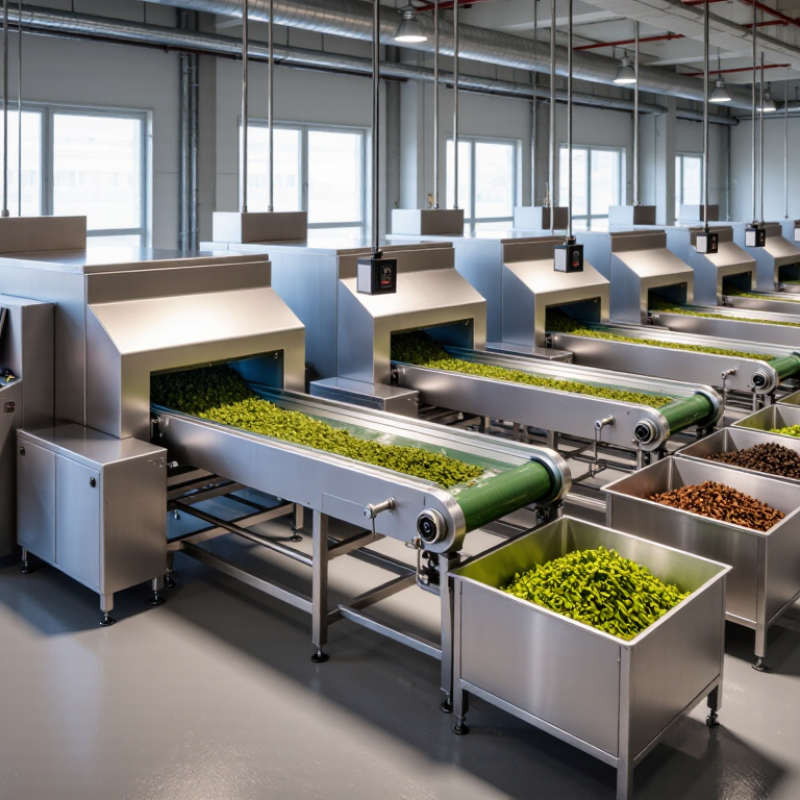
A tea sorting machine separates dried leaves by visible quality differences, helping processors create more consistent grades. In optical systems, tea travels in a thin stream along a belt or chute. Cameras capture each leaf, while software checks attributes such as color, size, shape, and visible defects. When a leaf matches a programmed rejection profile, a timed air jet pushes it into a separate bin. The accepted leaves continue onward. Fast, but not magic.
The sorting stage can remove pale stalks, discolored fragments, and foreign plant material that escaped earlier screening. FAOSTAT’s 2022 Crops and Livestock Products database records global tea production at roughly 6.5 million tonnes, underscoring the scale of processing needs. That figure does not measure sorting-machine use; it provides useful context for the volume moving through supply chains.
In practice, results depend on leaf condition, feed rate, lighting, and careful setup.
A camera cannot assess aroma or taste.
Tips: Keep the leaf layer even and clean the camera window regularly. Test settings with representative batches, including dusty or unusually moist leaves. Check rejected material by hand; useful tea can be lost when thresholds are too aggressive. Calibration takes attention.
Profiles of the Top 10 Tea Sorting Machine Suppliers
Profiles of the Top 10 Tea Sorting Machine Suppliers
The strongest supplier profiles start with different production needs. High-capacity equipment suppliers serve factories processing large, steady batches. Compact-machine specialists suit smaller facilities with limited floor space. Color-sorting suppliers focus on visible differences, such as pale stems among dark tea leaves. AI-based suppliers offer adjustable recognition for varied grades, though results depend on sample quality. A demonstration matters.
Other profiles solve narrower challenges. Multi-sensor suppliers combine color with shape or texture detection to identify uneven leaves. Custom engineering teams adapt feed systems, chutes, and inspection settings to a factory’s crop. Integrated-line suppliers connect sorting machines with conveyors and grading equipment, reducing manual transfers. Ask each supplier to test your own tea, not just a clean showroom sample. Real batches contain dust and mixed leaf sizes.
Service-focused suppliers distinguish themselves through operator training, spare-parts access, and responsive troubleshooting. Regional service providers may offer easier on-site support, depending on location. Value-oriented suppliers appeal to buyers with tighter budgets, but compare energy use and maintenance costs too. These are useful profiles, not a verified ranking. Specs can look convincing; performance sometimes tells a messier story. Check sorting accuracy, throughput, reject rates, and cleaning time under comparable conditions before choosing.
Comparison of Technologies, Capacities, and Service Support
Choosing among the top tea sorting machine suppliers requires more than comparing prices. The real differences appear in sensing technology, throughput, and service response. Optical color sorting can remove stems, foreign particles, and uneven leaves with high consistency. Advanced systems may combine cameras, near-infrared sensors, and adjustable air nozzles. These features improve precision, but they also increase training and maintenance demands.
Capacity figures need careful reading. A machine rated for 3,000 kilograms per hour may perform differently with broken tea, green tea, or dusty material. Ask whether the stated capacity reflects clean input, a specific grade, or ideal factory conditions. Trial testing is essential. Small processors may value a compact unit with stable accuracy, while large exporters often need continuous feeding, multiple sorting channels, and automated rejection monitoring. Bigger is not always better.
Service support can decide long-term operating costs. Reliable suppliers should provide installation guidance, operator training, spare nozzle kits, software updates, and clear response times. Remote diagnosis is useful when production stops at night. Local technicians are better for complex repairs. Both matter. I have seen buyers focus heavily on sorting accuracy and underestimate air-compressor quality, cleaning routines, and calibration skill. That mistake can reduce actual performance. Supplier references, test reports, warranty terms, and documented maintenance schedules deserve equal attention. Even strong equipment needs realistic expectations.