Top 10 Non Dairy Beverages in China You Must Try?
As the popularity of non dairy beverages continues to rise in China, many consumers are exploring alternatives to traditional dairy products. According to Dr. Li Wei, an expert in food science, "Diverse non dairy beverages can provide valuable nutrients and cater to various dietary needs." This insight reflects a growing demand for plant-based options, which are not only flavorful but also health-conscious.
In recent years, the market has expanded rapidly. Beverages made from nuts, grains, and soy are becoming household staples. Almond milk, oat milk, and coconut yogurt are just a few examples. These non dairy beverages offer a rich array of tastes and nutritional benefits, appealing to both vegans and those with lactose intolerance.
However, with so many choices available, consumers may find it challenging to select the best options. Not all non dairy beverages are created equal; some may contain additives or sugars that detract from their health benefits. It's crucial to read labels and understand the ingredients. In this landscape of innovation, choosing wisely can make all the difference.
Overview of Non-Dairy Beverages in China
In recent years, non-dairy beverages have seen a surge in popularity across China. This growth is largely driven by
health-conscious consumers and evolving dietary preferences. According to a
recent market report, the non-dairy milk segment alone is expected to reach a market value of over
$7 billion by 2026. Almond, oat, and soy beverages are leading the charge,
but a variety of innovative options are emerging.
Many consumers turn to non-dairy beverages for
lactose intolerance or allergy concerns. These drinks often serve as excellent sources
of vitamins and minerals, like calcium and vitamin D. However, not all options are equally nutritious. Some products
contain added sugars or low-quality ingredients. Be sure to check the labels for healthier options.
Tips: When selecting a non-dairy beverage, consider your nutritional needs. A drink with added protein may benefit athletes, while a low-sugar option might suit those watching their intake. Taste tests can also help find the perfect match for your palate. Experimenting is essential; some flavors may surprise you!
Popular Ingredients Used in Chinese Non-Dairy Drinks
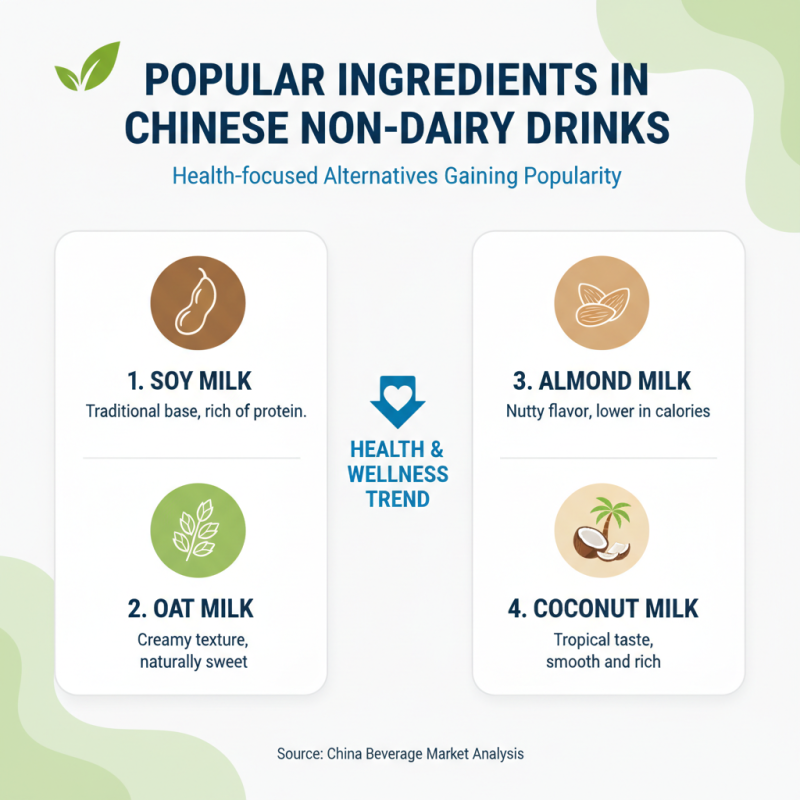
China's beverage market has seen a significant shift towards non-dairy options. As health consciousness grows, many individuals are exploring alternatives to traditional dairy. Several key ingredients are commonly used in these popular non-dairy drinks.
Soy milk is one of the most popular choices. It provides protein and is rich in vitamins. According to a report by Research and Markets, the plant-based milk market is projected to grow by over 11% in the coming years. Almond milk is another favorite. It has a light, nutty taste and is often sweetened to enhance flavor. Oat milk is also gaining traction, valued for its creamy texture and sustainability benefits.
Consider adding traditional ingredients like sesame or peanut. These add unique flavors and nutrients. Herbal ingredients, such as goji berries and chrysanthemum, can enhance health benefits. When crafting your own recipes, balance flavors for the best results.
When choosing non-dairy beverages, read labels carefully. Some brands may contain added sugars or preservatives. Look for options with minimal ingredients. This ensures you’re consuming the healthiest possible drink. Enjoy exploring the vibrant world of non-dairy beverages!
Top 10 Must-Try Non-Dairy Beverages in China
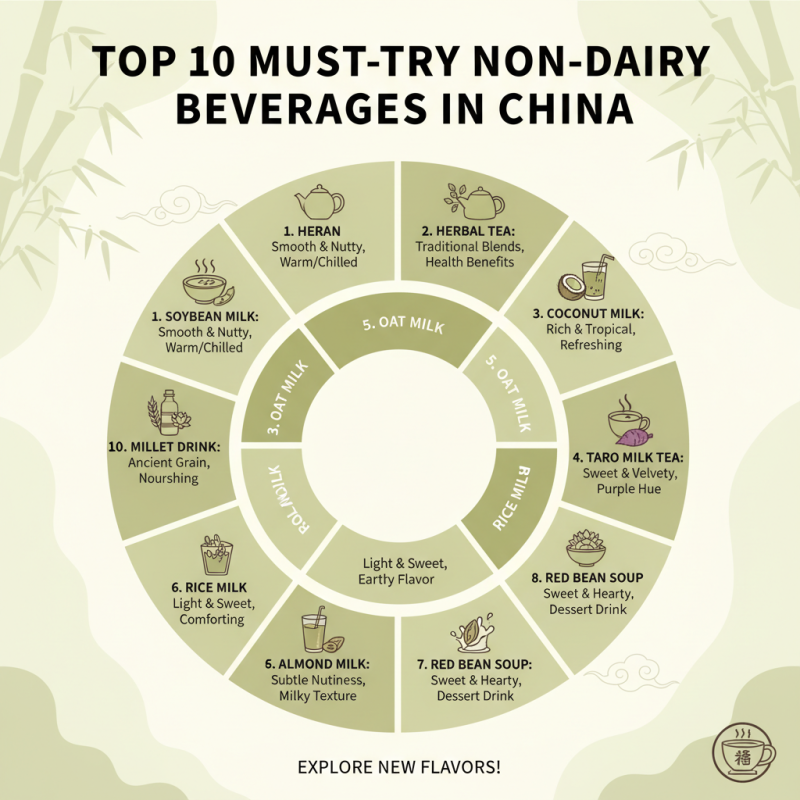
China offers a vibrant array of non-dairy beverages, perfect for anyone looking to explore new flavors. One must-try beverage is soybean milk. It’s smooth and has a slight nuttiness. Many enjoy it warm or chilled, making it versatile for any season. Another favorite is herbal tea, featuring various blends of flowers and herbs. Each cup tells a story of tradition and health benefits.
Don’t miss out on the refreshing taste of coconut water. Its natural sweetness and hydrating properties make it popular, especially during hot months. For something unique, try barley tea. It has a nutty flavor and is commonly consumed cold. It serves as a delightful alternative to sugary drinks.
While these drinks are celebrated, ingredients can vary widely. Some homemade versions may be overly sweet or lack flavor. Authenticity is key when exploring local options. Not every establishment prepares these beverages the same way. Be open to experimenting, as you might find a new favorite or sometimes be disappointed. That’s part of the adventure in trying non-dairy beverages in China!
Cultural Significance of Non-Dairy Beverages in China
Non-dairy beverages have become increasingly popular in China. They hold cultural significance that extends beyond mere taste. Many of these drinks reflect traditional practices and beliefs. For instance, soy milk is often consumed for breakfast, highlighting its role in nurturing both the body and the spirit. In 2021, the non-dairy milk market in China reached 1.4 billion USD, according to market research reports.
Tea is another cornerstone of Chinese culture, with diverse varieties like herbal and fruit-infused teas gaining traction. These beverages offer not only refreshment but also health benefits, which appeal to both younger and older generations. A study showed that 70% of consumers prefer non-dairy beverages for their perceived health advantages. However, the rapid growth of this market raises questions about sustainability. Many producers rely heavily on sugar and other additives.
The use of non-dairy beverages is also tied to social interactions. Sharing drinks during gatherings fosters bonds and reflects hospitality. Yet, this social norm faces challenges as many non-dairy options come packaged in single-use containers, raising environmental concerns. Balancing tradition with sustainability is essential. Recognizing both the positives and the drawbacks of these beverages is crucial for future development.
Top 10 Non Dairy Beverages in China You Must Try
| Beverage Name |
Main Ingredients |
Cultural Significance |
Region of Origin |
| Soy Milk |
Soybeans, Water, Sweetener |
Traditional breakfast drink, rich in protein. |
Nationwide |
| Oat Milk |
Oats, Water, Sweetener |
Growing popularity as a healthy alternative. |
Urban Areas |
| Almond Milk |
Almonds, Water, Sweetener |
Considered a trendy health drink. |
Urban Areas |
| Black Sesame Milk |
Black Sesame Seeds, Water, Sweetener |
Rich in nutrients, a childhood favorite. |
Nationwide |
| Coconut Water |
Coconut Water |
Popular for hydration, tropical beverage. |
Southern China |
| Mung Bean Milk |
Mung Beans, Water, Sweetener |
Cooling drink popular in summer. |
Nationwide |
| Lotus Seed Milk |
Lotus Seeds, Water, Sweetener |
Traditional drink believed to have health benefits. |
Nationwide |
| Rice Milk |
Rice, Water |
Common food source and energy booster. |
Nationwide |
| Barley Tea |
Barley, Water |
Traditional drink enjoyed year-round. |
Nationwide |
| Fruit Smoothies |
Mixed Fruits, Juice, Ice |
Popular among youth for health and taste. |
Urban Areas |
Health Benefits of Choosing Non-Dairy Options
Non-dairy beverages have gained immense popularity in China, largely due to their health benefits. A study published by the Chinese Agricultural University revealed that non-dairy options can reduce the risk of heart disease by up to 30%. This is attributed to lower cholesterol levels found in many plant-based drinks. Almond milk and oat milk are particularly beneficial, providing essential vitamins and minerals without the saturated fats present in dairy.
Another advantage of non-dairy beverages is their digestive benefits. Lactose intolerance affects about 90% of East Asian adults, making dairy consumption challenging for many. Switching to alternatives like soy or coconut milk can alleviate digestive discomfort. These beverages often have added probiotics, which support gut health and enhance nutrient absorption.
Yet, it's crucial to understand that not all non-dairy drinks are created equal. Some may contain added sugars, defeating the health advantages. Choosing fortified options ensures that you receive sufficient calcium and vitamin D. Reading labels can be overwhelming, but this diligence pays off in better health and wellness.