How to Source Quality Coffee Granules for Your Business?
In the competitive landscape of the coffee industry, sourcing quality Coffee Granules is crucial for success. John Smith, a renowned coffee expert and founder of Coffee Insight, states, “Quality sourcing is the backbone of any coffee business.” His deep understanding of the market underscores the importance of selecting the right suppliers.
When looking for Coffee Granules, businesses must consider various factors. The choice of beans, roasting methods, and processing techniques all play a vital role in flavor profiles. It's essential to establish relationships with reliable suppliers who share a commitment to quality. Visiting coffee farms and conducting taste tests can provide valuable insights into the granular quality of offerings.
Moreover, transparency in the sourcing process is increasingly demanded by consumers. Companies must be aware of the origins of their Coffee Granules. Ethical sourcing not only enhances brand reputation but also builds customer loyalty. While the search for high-quality coffee can be challenging, reflecting on sourcing practices and remaining open to learning can lead to better decisions and improved products.
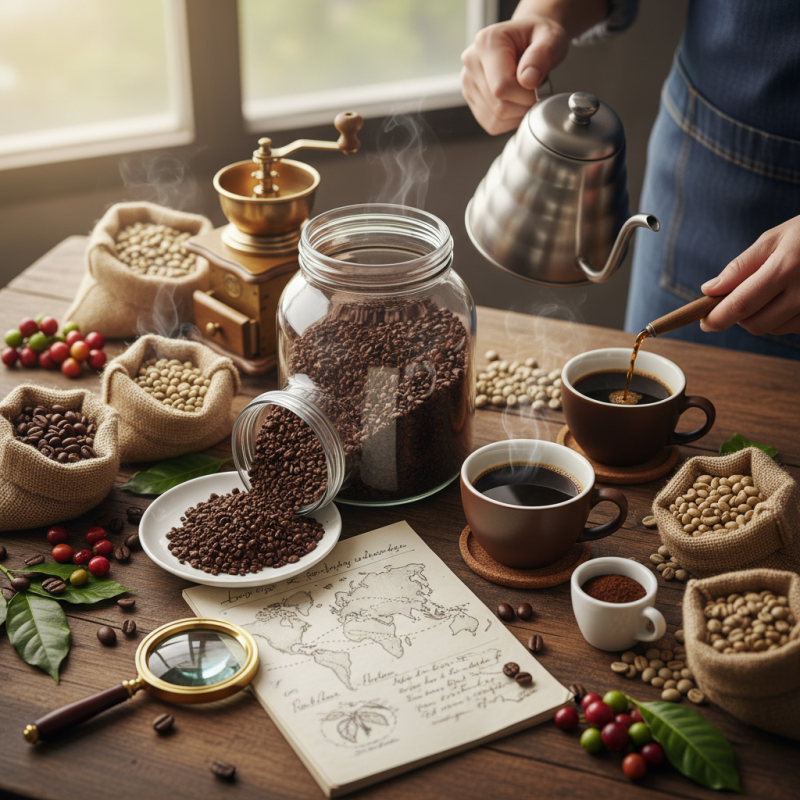
Understanding the Importance of Quality Coffee Granules for Businesses
Quality coffee granules play a crucial role in any coffee-related business. When customers savor a cup of coffee, they judge the experience based on taste, aroma, and freshness. Obtaining high-quality granules ensures that each cup meets their expectations. This not only boosts customer satisfaction but also fosters brand loyalty, which is essential in a competitive market.
Sourcing methods often vary. Some businesses prefer direct sourcing from farmers, while others opt for reputable suppliers. Each choice has its pros and cons. Direct sourcing allows for better control over quality, yet it requires time and effort to build relationships. On the other hand, suppliers can save time but may not guarantee the same level of quality.
The journey doesn’t end with acquisition. Ongoing quality checks are vital. Some batch variations can occur, affecting the final product. Businesses should also consider storage conditions. Improper storage can degrade flavor and aroma. Reflecting on these details can help businesses refine their processes and enhance the overall customer experience.
Identifying Reliable Coffee Bean Suppliers and Producers
When sourcing quality coffee granules, selecting the right suppliers and producers is crucial. Reliable suppliers should demonstrate knowledge of the coffee industry. They should be transparent about their sourcing methods. An understanding of the bean's origins is essential. Seek out suppliers who can provide credentials and quality certifications. A good supplier will be open to sharing their sourcing practices.
Tips: Look for suppliers with partnerships in coffee-producing regions. This often indicates a commitment to ethical sourcing. Additionally, ask for samples. Testing the quality before committing can save time and resources. Attend coffee trade shows. This allows for direct communication with potential suppliers and firsthand product evaluation.
Not every supplier will meet your expectations. It's important to address any concerns early on. Visit producers if possible. Personal interaction can reveal a lot about their operations. Analyze their processing methods. A supplier’s dedication to quality often reflects in the final product. This due diligence helps ensure you are investing in high-quality coffee granules.
Quality Coffee Granules Sourcing - Supplier Evaluation
Evaluating Coffee Granules: Factors to Consider for Quality
When evaluating coffee granules, several factors determine their quality. Freshness is paramount. Beans should be roasted recently. A report from the Specialty Coffee Association indicates that coffee quality peaks around two to three weeks post-roast. After this period, flavor diminishes significantly, impacting the final product.
The origin of the coffee also plays a critical role. Different regions yield distinct flavor profiles. For instance, beans from Latin America are often bright and fruity, while those from Africa can be more floral and complex. A 2020 study from the International Coffee Organization highlighted that reputable sourcing from specific regions enhances flavor consistency.
Another vital factor is the processing method. Coffee can be washed, natural, or honey-processed, each affecting taste. The wash method generally produces cleaner flavors, while natural processing introduces sweetness. Experts indicate that understanding these methods helps in selecting quality granules, but many businesses overlook this crucial step. Assessing these elements thoughtfully can lead to better sourcing decisions and a superior coffee experience.
Sourcing Sustainable and Ethically Produced Coffee
Sourcing sustainable and ethically produced coffee granules is increasingly essential for businesses. It reflects a commitment to quality and social responsibility. By choosing ethical sources, you support farmers and their communities. This creates a positive ripple effect on the environment and economy.
Consider the following tips:
Start by visiting local coffee farms. Engage with farmers directly. This builds trust and transparency. Understand their farming practices. Look for certifications such as Fair Trade or Rainforest Alliance. These labels reflect sustainable practices and fair wages for farmers.
Another valuable tip is to establish long-term relationships with suppliers. This approach fosters consistency and quality in your coffee supply. Ensure that your suppliers also prioritize ethical sourcing. Regularly audit their practices. Transparency is crucial in sourcing quality coffee granules. Mistakes can happen, and it’s vital to address them promptly and learn from them.
Building Long-Term Relationships with Coffee Suppliers
Building successful relationships with coffee suppliers requires dedication and trust. Quality coffee granules are sourced through effective communication and mutual understanding. Begin by researching potential suppliers. Attend trade shows and coffee expos to meet growers and exporters face-to-face. This builds rapport and helps foster long-term partnerships.
Establishing expectations is crucial. Discuss quality standards and pricing openly. Document agreements to avoid misunderstandings. Regular visits to suppliers can strengthen these ties. Seeing the operations firsthand brings insights that emails cannot convey.
Tips for successful sourcing:
- Collaborate on tasting sessions. Share feedback freely. This improves quality and strengthens relationships.
- Consider flexible payment terms. This approach shows trust and commitment.
- Be transparent about your business needs. This honesty fosters a more robust partnership.
Sometimes, misalignments may occur. Reflect on any communication breakdowns. By addressing these challenges, both parties can grow together over time. Building relationships in the coffee industry is a journey, not a destination.