Top Hydraulisk Teleskopcylinder Buying Guide for Global Importers?
In the growing market for heavy machinery, the demand for high-quality Hydraulisk Teleskopcylinder is notably on the rise. A recent industry report by Global Hydraulic Insights indicates that the global market for telescopic hydraulic cylinders is projected to reach $3 billion by 2025. This upward trend underscores the necessity for informed purchasing decisions among global importers.
Expert in hydraulic systems, Dr. Emily Forsberg, emphasizes, "Choosing the right Hydraulisk Teleskopcylinder is crucial for operational efficiency." Her words reflect the intricate relationship between the quality of hydraulic cylinders and productivity in various sectors, such as construction and manufacturing. As importers evaluate options, understanding specifications, quality, and supplier reliability becomes paramount.
While many importers focus on price, overlooking critical factors can lead to long-term issues. Substandard cylinders may result in operational failures and costly downtime. Thus, careful consideration of both performance metrics and supplier reputation is essential. Quality should not be sacrificed for short-term savings.
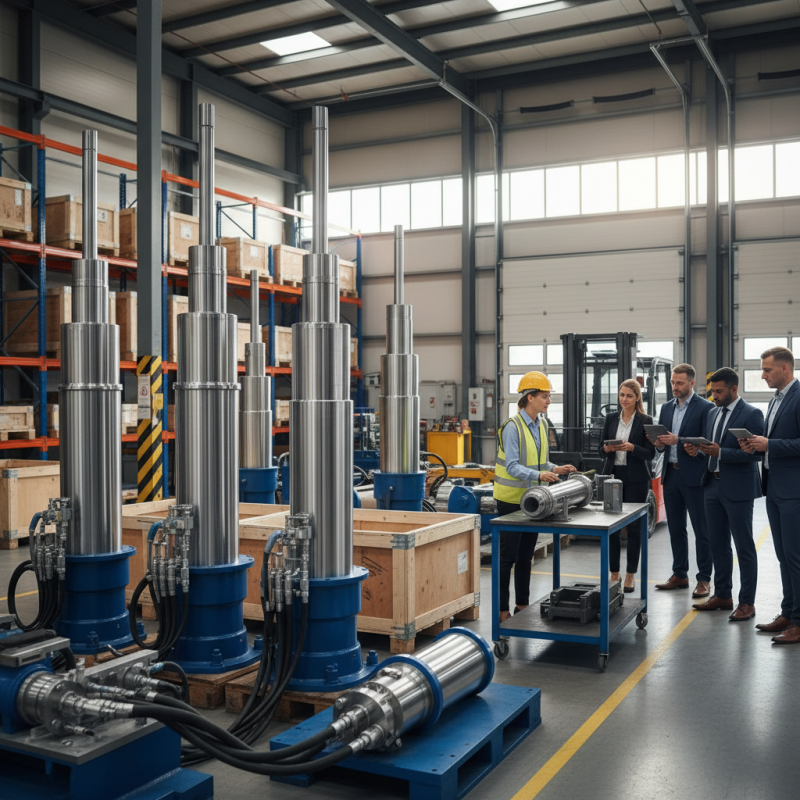
Essential Features to Consider When Buying Hydraulisk Teleskopcylinder
When considering the purchase of hydraulic telescopic cylinders, there are several essential features to evaluate. First, the hydraulic pressure capacity stands out. Most industrial applications require cylinders capable of handling pressures between 1500 to 3000 PSI for optimal performance. Incorporating high-strength materials can enhance durability, ensuring reliable operation even under strenuous conditions.
Another critical aspect is the stroke length. From construction equipment to agricultural machinery, applications vary widely. A longer stroke provides greater flexibility but may demand a more complex design. Buyers should also acknowledge the importance of cylinder dimensions. These specifications directly impact installation and compatibility with existing machinery, which is crucial in minimizing downtime.
Moreover, sealing technology is vital. Users may often overlook wear-resistant seals, which are crucial for maintaining hydraulic fluid integrity. The right sealing solution can reduce maintenance costs significantly, influencing long-term operational efficiency. While exploring these features, importers should reflect on their unique requirements and the potential impact of quality mismatches. Balancing price with performance can sometimes be challenging, but it is an unavoidable consideration in the importation process.
Hydraulic Telescopic Cylinder Features Analysis
Understanding Different Types of Teleskopcylinders for Various Applications
Hydraulic telescopic cylinders are crucial in various industries. Understanding their types can help importers find the right fit for their needs. These cylinders are designed to extend and retract, making them ideal for applications like construction and lifting. There are different configurations: single-acting and double-acting. Each serves distinct functions depending on the operational requirements.
In construction, for example, a
multi-stage telescopic cylinder provides high lift capacity in compact spaces. This design allows equipment to operate efficiently in tight areas. However, importers should be aware of
compatibility issues. A cylinder that works well in one application may not suit another.
Assessing specifications is vital. Moreover, the materials used in construction impact performance.
Steel and
aluminum are common choices. Steel is
strong but heavy, while aluminum is
lightweight yet may not handle heavy loads. Understanding trade-offs is essential. Importers should research material durability against project demands.
Balancing performance and cost can be challenging yet rewarding. Key Factors Influencing the Price of Hydraulisk Teleskopcylinders
When considering the purchase of hydraulisk teleskopcylinders, several key factors influence their price. Material quality is paramount. Premium materials, such as high-grade steel, enhance durability. A report from the International Hydraulics Council indicates that the choice of material can affect costs by up to 30%.
Manufacturing processes are also crucial. Advanced techniques, like precision machining, increase production costs. However, they ensure reliability and performance. According to recent industry analyses, investing in quality manufacturing can improve lifecycle costs. Importers need to evaluate these aspects based on their operational requirements.
Another factor is the cylinder size and specifications. Larger, more complex designs naturally come with higher price tags. Customization options can also elevate costs significantly. Industry data suggest that customized cylinders may see a price increase of 15-25% compared to standard models. Evaluating these elements is essential for making informed purchasing decisions in the global marketplace.
Top Hydraulisk Teleskopcylinder Buying Guide for Global Importers
| Dimension | Material | Price Range (USD) | Brand Reputation | Usage Type |
| 100 mm × 500 mm | Steel | $300 - $500 | High | Construction |
| 150 mm × 800 mm | Aluminum | $500 - $700 | Medium | Agriculture |
| 200 mm × 1000 mm | Composite | $700 - $900 | Low | Mining |
| 250 mm × 1200 mm | Steel | $900 - $1200 | High | Construction |
| 300 mm × 1500 mm | Aluminum | $1200 - $1500 | Medium | Manufacturing |
Top Manufacturers and Brands of Hydraulisk Teleskopcylinders Worldwide
When considering the global market for hydraulisk teleskopcylinders, several manufacturers stand out. Their contributions to the industry showcase innovation and reliability. These companies are known for producing high-quality hydraulic cylinders that are essential in various applications.
Many top manufacturers focus on advanced technology. They implement rigorous testing to ensure durability and performance. Their products undergo strict quality control processes. This commitment to excellence helps maintain a strong reputation in the marketplace.
However, not all brands meet the same standards. Some offer lower-cost options that may sacrifice quality. Importers often face challenges in navigating this landscape. Assessing the credentials of manufacturers can be tricky. Seeking testimonials and industry reviews can provide valuable insights. Taking the time to evaluate these aspects is crucial for making informed purchasing decisions.
Best Practices for Sourcing and Importing Hydraulisk Teleskopcylinders
When sourcing hydraulisk teleskopcylinders, several best practices can ensure a successful import process. Start by conducting thorough research on various suppliers. This involves checking their track record, customer reviews, and overall reputation in the industry. Engaging with experienced importers can provide insights into reliable sources. Consider visiting manufacturing sites if possible. This can offer a clearer picture of the production quality.
Quality control is paramount. Establish clear specifications for the cylinders needed. Request detailed product standards and certifications. It's crucial to verify that the products meet your operational requirements. Failing to do so could lead to costly errors. Don't overlook the significance of communication with suppliers. Ensure they understand your expectations fully. Simple misunderstandings can lead to delays or quality issues.
Importing hydraulisk teleskopcylinders can be complex. Be prepared for potential challenges, such as customs regulations and shipping times. Unexpected costs can arise, too. Always have a contingency plan in place. Reflect on past experiences to avoid repeating mistakes. Success in sourcing depends on careful planning and attention to detail. Engaging knowledgeable partners can significantly mitigate risks. Embrace the learning journey in your import endeavors.