How to Source Al Fakher 40k Puffs Legally in 2026?
Sourcing Al Fakher 40k Puffs legally in 2026 requires more than finding a low price online. Buyers must verify the supplier, product documentation, and destination-market rules before placing an order. Regulations may differ by country, state, or province. Some markets restrict nicotine strength, disposable formats, flavors, or device capacity. Others require product notification, health warnings, tax records, or licensed distribution.
Former FDA Commissioner Scott Gottlieb, a recognized tobacco-policy authority, has warned, “E-cigarettes are not risk-free.” That statement should guide every purchasing decision. Legal sourcing is not only about avoiding counterfeit products. It also involves age verification, compliant labeling, sealed packaging, batch identification, and traceable invoices. A legitimate wholesaler should provide business credentials and clear shipping documentation. Ask for them.
The phrase Al Fakher 40k Puffs can describe different products across listings, so specifications need careful checking. Confirm puff claims, nicotine concentration, battery details, manufacturing dates, and warranty terms. Compare the product label with the supplier’s invoice. Small inconsistencies may signal a larger problem. They might not. That uncertainty deserves attention.
A practical sourcing process should include written compliance checks before payment. Keep records of supplier emails, certificates, customs paperwork, and delivery inspections. Independent legal advice remains valuable because rules can change during 2026. Marketing pages are not legal evidence. This is where many buyers become overconfident. A compliant supply chain may cost more, take longer, and still require review. That is the safer standard.
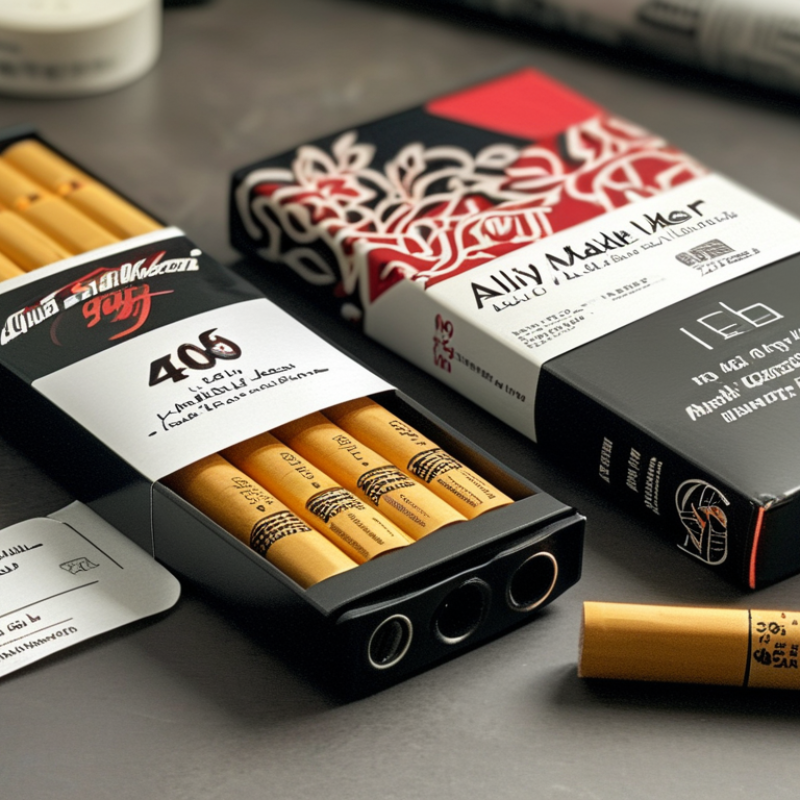
Define the 40K-Puff Device’s Specs Against Local Legal Limits
A 40,000-puff claim is a marketing estimate, not a legal category. A practical compliance review starts with the device’s measurable specifications. Record the e-liquid volume, nicotine strength, battery rating, charging method, airflow design, and expected usage period. Compare each figure with the destination market’s published limits.
Local rules may restrict container capacity, nicotine concentration, refillability, or total liquid volume. Some jurisdictions allow only approved closed systems. Others require product notification, health warnings, ingredient disclosure, batch numbers, and child-resistant packaging. Retailers may also need age-verification controls, tax records, and approved waste-handling procedures. Check the regulator’s current website, not an old supplier sheet.
Ask the supplier for laboratory reports and a complete technical file. The documents should match the exact model, not a similar-looking version. Confirm the importer’s registration before placing an order. Keep invoices, test results, photographs, and serial-number records together. A 40K-puff device can exceed local limits even when its nicotine strength appears compliant. That detail is easy to miss. I would also question unusually high puff claims, because real use varies with draw length and frequency. Regulations change, and my checklist may miss a regional rule. Get written advice from a qualified local compliance professional before commercial sourcing.
Verify Al Fakher Authorization and FDA PMTA Status by Market
How to Source High-Capacity Disposable Products Legally in 2026?
A lawful sourcing process begins with market-specific verification. A supplier’s authorization should name the manufacturer, product model, importer, and permitted sales territory. Ask for a current authorization letter, invoice trail, and batch-level records. A generic certificate is not enough. Packaging should match the documents, including nicotine strength, warnings, language, and traceability codes.
For the United States, check the FDA’s current tobacco product database and marketing granted orders. A PMTA submission, acceptance letter, or pending review does not automatically permit commercial sale. The exact product, device configuration, and flavor must match the listed authorization. Other markets may use different systems, including national registrations, tax markings, recycling rules, or age-control requirements. Never assume approval in one country applies elsewhere.
Tips: Keep screenshots of official records, record verification dates, and request written confirmation from the local regulator when uncertain. Inspect one sealed sample before placing a larger order. I would also recheck the status before every shipment, because databases and enforcement policies can change. A supplier may appear experienced yet still provide incomplete evidence. That is a warning, not a minor paperwork issue.
Apply EU TPD Limits: 2 mL Tanks and 20 mg/mL Nicotine
How to Source High-Puff E-Cigarette Products Legally in 2026?
Legal sourcing in the EU starts with technical limits, not puff-count advertising. Under the Tobacco Products Directive, nicotine tanks and cartridges must not exceed 2 mL. Refill bottles must remain within 10 mL. Nicotine strength cannot exceed 20 mg/mL. A product marketed as “40k puffs” may therefore require careful scrutiny. Its advertised capacity does not automatically prove compliance.
Request the EU product notification, laboratory test results, safety data, and traceable batch records. Confirm that the importer is established in the EU. Check child-resistant packaging, health warnings, ingredients, and local-language labels. National authorities may apply additional rules. Confirm the destination country before placing an order.
The European Commission’s Special Eurobarometer 539, published in 2023, reported daily e-cigarette use at about 3% across the EU. That figure shows a regulated market, not a simple one. I would measure the physical tank myself, then compare it with the supplier’s documents. Documents can be incomplete. My own early assumption was that a lower nicotine level solved most compliance problems. It did not. Packaging, notification status, taxation, and waste obligations also matter. Keep invoices and photographs of every shipment. A compliant sample can still differ from later batches. Regular checks are necessary.
Prepare Customs, Excise, and Age-Verification Documents
Lawful sourcing of high-capacity vapor products in 2026 begins with document control, not price comparisons. Confirm that the product is permitted in the destination market. Check current customs guidance, excise rules, labeling requirements, and import limits. Use official government portals and obtain written advice when rules seem unclear.
Prepare a complete customs file before shipment. Include the commercial invoice, packing list, tariff classification, country of origin, transport documents, and supplier declarations. Excise records should show the taxable quantity, rate, payment reference, and responsible importer. Keep matching copies.
Small details matter.
For age verification, document the buyer’s legal age before payment and again at delivery where required. Use a reliable identity or age-check provider, with clear privacy controls. Store only necessary records, and set a deletion schedule. Never accept a simple checkbox as sufficient proof.
Review every document against the physical cartons. Product counts, nicotine information, batch references, and warning labels should match exactly. A single mismatch can delay clearance. I would not rely on an old compliance template, even if it worked last year. Regulations change, and a careful review can still miss a local rule. Have a licensed customs professional or compliance lawyer check the file before ordering.
Audit COAs, Batch Traceability, and Recall Records Before Purchase
How to Source Al Fakher 40k Puffs Legally in 2026?
A high-capacity disposable product requires more than a persuasive product page. Confirm that the item is permitted in your destination market before discussing price or volume. The World Health Organization’s 2023 tobacco trends reporting highlights uneven regulation and limited enforcement across markets. That makes documented due diligence essential. Ask for a current Certificate of Analysis, or COA, for every production batch. It should identify nicotine concentration, ingredients, emissions testing, heavy metals, and the independent laboratory. Check the laboratory’s ISO/IEC 17025 accreditation. A copied PDF is not evidence.
Batch traceability should connect the COA, manufacturing date, shipment carton, and product code. Scan codes yourself. Then compare them with the supplier’s records. Request corrective-action reports and recall records covering at least the previous two years. A clean response matters, but silence also tells you something. The claimed 40,000 puffs should be treated as a test-based estimate, not a guaranteed experience. Ask for the test method, battery conditions, liquid volume, and permitted-use assumptions. Those details are often missing.
Tips: Keep a supplier evidence file. Include signed specifications, lab reports, invoices, transport documents, and recall communications. Verify company registration independently. Confirm age restrictions, labeling, packaging, recycling, and tax duties locally. Do not rely on marketplace ratings. Even experienced buyers miss one document sometimes. Review the file again before payment.
How to Source Nicotine Products Legally in 2026
EU TPD baseline limits to verify before purchase: nicotine strength must not exceed 20 mg/ml, a cartridge or tank must not exceed 2 ml, and a refill container must not exceed 10 ml. A high puff-count claim does not establish legal compliance.
Before ordering, match the product and packaging to the applicable market rules, obtain a batch-specific certificate of analysis (COA), confirm lot numbers across invoices and labels, review manufacturing and import documentation, and request current recall or withdrawal records. These limits are based on Article 20 of EU Directive 2014/40/EU; national requirements may be stricter or different in 2026.