Why Are Natural Health Foods in High Demand Worldwide?
Across continents, consumers are showing stronger interest in natural health foods and simpler dietary choices. People are reading labels more carefully and questioning artificial colors, excessive sugar, and unfamiliar additives. At a supermarket, this may mean choosing oats, fermented vegetables, seeds, or minimally processed snacks. Online searches also reveal growing curiosity about plant-based proteins, herbal ingredients, and traditional food practices.
This interest reflects several pressures. Busy lifestyles encourage convenient foods with recognizable ingredients. Environmental concerns also influence shoppers who prefer seasonal, local, or responsibly sourced products. Yet popularity is not proof. Evidence matters. Nutrition researchers and registered dietitians generally examine nutrient quality, safety, serving sizes, and possible interactions before supporting health claims. Reliable brands should provide clear ingredient lists, traceable sourcing, and realistic information rather than dramatic promises.
Many shoppers connect natural health foods with personal experience. A warm bowl of whole-grain porridge may feel more satisfying than a sugary breakfast bar. Fermented foods can add variety to meals, while nuts and legumes provide practical sources of protein and fiber. These choices may support a balanced diet, but no single food guarantees better health. Individual needs differ. Allergies, medications, age, and existing conditions can change what is appropriate.
Trust also depends on transparency. Some brands communicate carefully, while others use vague words such as “pure” or “detox” without strong evidence. That weakness deserves attention. Consumers should compare labels, question exaggerated claims, and consult qualified professionals when necessary. Natural does not automatically mean safe, nutritious, or sustainable. The worldwide demand for natural health foods is understandable, but informed judgment must guide it. The market is promising. It is not flawless.
Definition and Scope of Natural Health Foods
Why Are Natural Health Foods in High Demand Worldwide?
Definition and Scope of Natural Health Foods
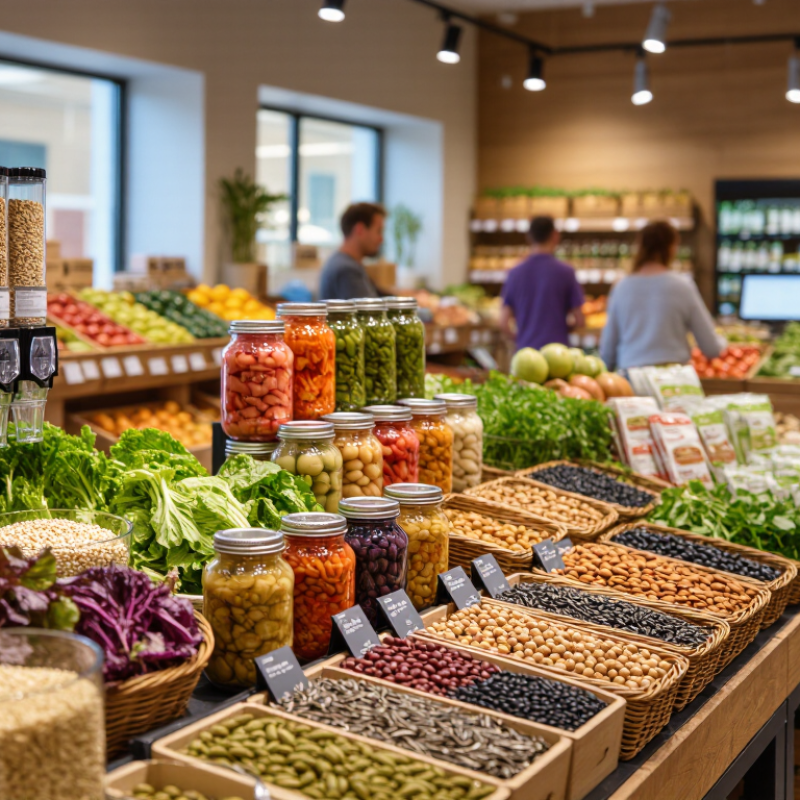
Natural health foods are foods perceived as close to their original form. They commonly include fruits, vegetables, whole grains, legumes, nuts, seeds, and fermented foods. Some products also contain concentrated nutrients or botanical ingredients. The category is fluid. “Natural” does not automatically mean organic, nutritious, or medically effective. Definitions also differ across countries and regulatory systems. That inconsistency creates confusion for consumers and researchers.
Market data shows why this area attracts attention. Grand View Research estimated the global organic food and beverages market at 208.9 billion dollars in 2022, with a projected 13.9% compound annual growth rate through 2030. Organic is not identical to natural, but the figure offers a useful market signal. The Global Wellness Institute reported that healthy eating, nutrition, and weight-loss activities reached about 1.1 trillion dollars in 2023. These numbers reflect broad categories, not a perfect count of natural health foods.
Scope matters in practical shopping decisions. A minimally processed oat product may fit the category better than a heavily sweetened “natural” snack. Ingredient lists, nutrient levels, and preparation methods deserve attention. Evidence still matters. Claims should match published research, not attractive packaging. A weakness remains: many market reports combine food, supplements, and wellness services. Their boundaries are imperfect, so demand estimates require careful interpretation. (Grand View Research, 2023; Global Wellness Institute, 2024)
Key Factors Driving Global Consumer Demand
Consumers increasingly connect food with everyday well-being: steady energy, digestive comfort, and ingredients they can recognize. This shift is reflected in the market. FiBL and IFOAM’s 2024 report estimated global organic food and drink retail sales at €135 billion in 2022. Organic is not identical to “natural,” but its growth signals demand for production and sourcing consumers perceive as more transparent.
Trust matters. PwC’s 2024 Voice of the Consumer Survey found respondents were willing to pay an average 9.7% more for sustainably produced or sourced goods. Shoppers may weigh farming practices, packaging, and supply-chain information alongside nutrition. A legible ingredient list can help. So can clear, specific sourcing details. Still, willingness to pay is not the same as routine purchasing; budgets and local availability shape choices. “Natural” also lacks one universal meaning, so the label alone cannot prove a food is healthier. That distinction matters. Stronger demand is driven by perceived health benefits, environmental concerns, and confidence in what goes into the basket—though consumers should judge evidence, not just appealing wording.
Why Are Natural Health Foods in High Demand Worldwide? - Key Factors Driving Global Consumer Demand
| Demand factor |
Global data indicator |
What the data suggests |
Data year and source |
| Growing health awareness |
About 2.5 billion adults worldwide were overweight, including 890 million living with obesity. |
The global burden of weight-related health risks can increase interest in foods perceived as nutritious or less processed. These figures describe health context, not direct purchasing behavior. |
2022; World Health Organization |
| Demand for organic options |
Global organic food and drink retail sales reached approximately €135 billion. |
The market’s scale shows that organic products have become a substantial part of food retail across multiple regions. |
2022; FiBL and IFOAM – Organics International |
| Wider product availability |
Organic agricultural land covered about 96.4 million hectares worldwide. |
A broad production base can support more consistent availability of organic ingredients and finished foods in different markets. |
2022; FiBL and IFOAM – Organics International |
| Global reach of organic production |
Organic farming activities were reported in 188 countries. |
The geographic spread of production reflects the availability of organic products across a diverse range of food systems and markets. |
2022; FiBL and IFOAM – Organics International |
| Consumer interest in provenance and production methods |
Approximately 4.5 million organic producers were recorded worldwide. |
A large producer base supports varied supply chains and gives consumers more opportunities to choose products based on production standards and sourcing preferences. |
2022; FiBL and IFOAM – Organics International |
Note: These indicators provide context for factors associated with demand. They do not, by themselves, establish that any single factor caused consumers to purchase natural or organic health foods.
Regional Market Trends and Consumer Preferences
Regional demand is not one story. In North America, organic foods have become familiar grocery choices, though shoppers still compare prices. U.S. organic sales reached $69.7 billion in 2023, up 3.4%, according to the Organic Trade Association’s 2024 survey. That figure includes non-food products, so it is not a food-only measure. Price still matters. Clear ingredient lists and convenient formats can help products earn a place in busy shopping baskets.
Europe remains a major market, while Asian demand is varied and fast-changing. FiBL and IFOAM’s World of Organic Agriculture 2024 reported 2022 organic retail sales of €53.1 billion in Europe and $12.4 billion in China. These figures describe market size, not what every consumer prefers. In European cities, shoppers may seek certified sourcing and local produce; in Asian urban markets, interest in wellness foods can sit alongside strong expectations for freshness, taste, and value. The mismatch is real: consumers may want cleaner labels but reject a steep premium. Reports also differ in coverage and currency, so comparisons need care. A market can grow while many households remain priced out.
Challenges in Production, Regulation, and Accessibility
Natural health foods are gaining attention, yet production remains difficult. The FiBL and IFOAM Organics International report recorded global organic retail sales of about €135 billion in 2022. Organic farmland also reached 96.4 million hectares. However, certification, soil recovery, and limited processing facilities raise costs. Small producers may struggle with laboratory testing, stable storage, and reliable transport. A leafy powder can lose quality quickly in a warm warehouse.
Regulation creates another barrier. The World Health Organization reported in 2019 that 170 countries recognized the use of traditional and complementary medicine. However, only 124 countries had laws or regulations for herbal medicines. Natural foods and therapeutic products may therefore face different rules across borders. Safety evidence is uneven. “Natural” does not automatically mean safe. Producers need clear allergen controls, contaminant testing, and evidence for health claims. Some businesses still rely too heavily on tradition. That deserves reflection.
Accessibility remains a practical concern. The FAO reported that about 2.33 billion people experienced moderate or severe food insecurity in 2022. For these households, premium natural foods may remain out of reach. Rural consumers may also face fewer retailers, weaker refrigeration, and limited nutrition advice. Transparent labels can help, but labels cannot solve high prices. Better regional processing, public standards, and independent testing could narrow the gap between health demand and everyday access.