



Careers

How to Choose the Right Chemical Fertilizer for Your Crops

Choosing the right Chemical Fertilizer begins with understanding what your crop needs and what your soil already provides. A bag marked 10-10-10 may look like a simple answer, but its nutrient balance will not suit every field, garden bed, or growing stage. Soil tests can reveal nutrient levels and pH, helping growers avoid adding nutrients without a clear reason. Crop type, expected yield, local rainfall, and application timing also matter.

Look beyond the headline numbers. Nitrogen supports leafy growth, while phosphorus and potassium serve other important plant functions; the right balance depends on the crop and conditions. Check the product label for nutrient content, recommended rates, and handling instructions. Then compare those details with reliable local agricultural guidance or advice from a qualified agronomist. Small details matter. A handful spread unevenly beside young roots can create a very different result from a measured application across a prepared bed.

The decision is rarely as tidy as a chart makes it seem. A soil test can be old, field conditions can vary, and weather may disrupt a careful schedule. That uncertainty is worth acknowledging. Keep records of the product, rate, date, and crop response, and adjust future choices using evidence rather than guesswork. This guide explains how to weigh these factors and select a fertilizer that supports healthy growth without applying more than your crops need.
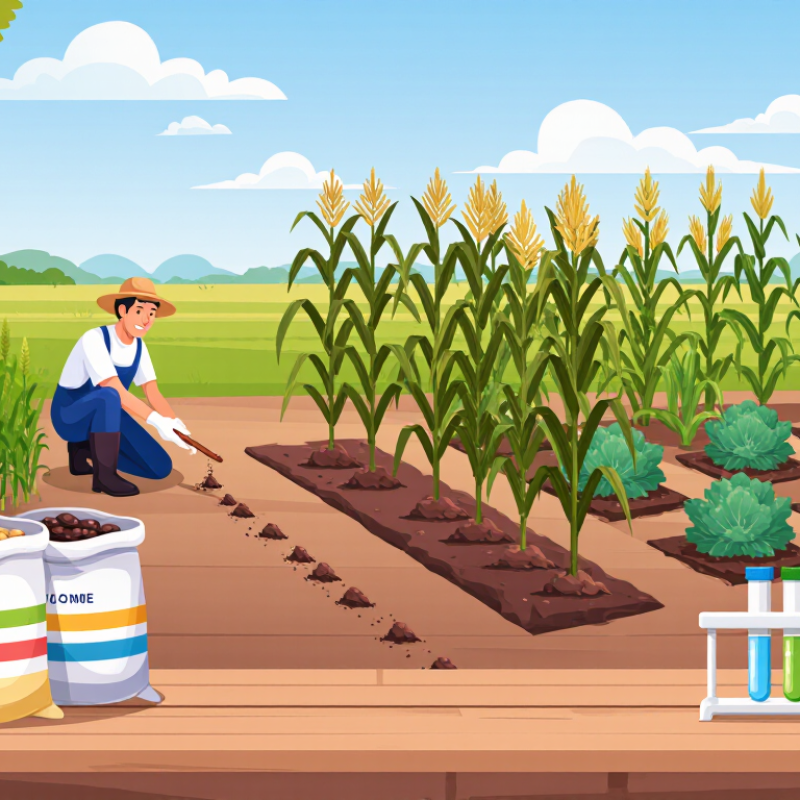
How to Choose the Right Chemical Fertilizer for Your Crops

Identify Your Crop’s Nutrient Requirements

Before choosing a chemical fertilizer, identify what your crop needs at its current growth stage. A leafy crop may use more nitrogen during early growth, while fruiting plants need balanced nutrition as flowers and fruit develop. These are general patterns, not fixed rules. Crop variety, soil type, weather, and expected harvest all affect nutrient demand.

Start with a soil test from a representative area of the field or garden. Follow the lab’s sampling instructions, and note the crop and planting date. The results can show available nitrogen, phosphorus, potassium, pH, and sometimes organic matter. Test before guessing. A pale leaf can suggest a nutrient problem, but drought, root damage, or disease can look similar. Looks can mislead.

Compare the test results with reliable crop-specific guidance, then check the fertilizer label for nutrient percentages and application directions. Use the smallest amount that meets the crop’s needs; excess nutrients may harm plants or wash away. Fields are rarely uniform, and one sample may miss a dry patch or a low area. That limitation matters. Keep notes on where fertilizer was applied and how the crop responded, then use them to guide the next test and adjustment.

Read Fertilizer Labels and Compare Nutrient Formulations

Fertilizer labels are not interchangeable recipes. The three numbers show the percentages by weight of nitrogen, phosphate (P₂O₅), and potash (K₂O). A 10-10-10 blend contains 10 percent of each; a 20-10-10 blend supplies twice as much nitrogen per equal weight, but not twice as much of every nutrient. Check the guaranteed analysis for nutrient forms and any listed secondary nutrients. Small print matters.

Compare the label with a soil test and the crop’s growth stage, not just the bag price. A high-phosphorus blend may be unnecessary where soil tests already show adequate phosphorus. FAO’s World Fertilizer Trends and Outlook to 2022 projected global fertilizer demand at 191.5 million tonnes of nutrients in 2022, underscoring the scale of nutrient use—not what any one field needs.

On the ground, a pale leaf can suggest a nutrient issue, but it cannot diagnose one by itself. Easy to misread. Match the labeled nutrient percentages to your field’s recommendations, then calculate the amount needed per area. A quick comparison can still miss soil variability, so keep records and reassess after application.

Assess Soil Conditions Before Choosing a Fertilizer

A field can look healthy while its soil lacks a key nutrient. Before buying fertilizer, get a laboratory soil test; it is more reliable than guessing from leaf color alone. Collect soil from several spots in the area you plan to treat, using a clean tool and the laboratory’s recommended depth. Mix the samples in a clean bucket, then submit the amount requested. Keep unusual patches separate.

Good starting point. Avoid sampling right beside compost piles, fertilizer bands, or field edges, since these can distort results.

Review the report’s pH and nutrient levels, especially nitrogen, phosphorus, and potassium. Match the fertilizer analysis to the crop’s needs and the test’s recommendations, rather than choosing a balanced product by habit. Soil pH matters: overly acidic or alkaline conditions can limit nutrient availability even when nutrients are present. Check salinity too, particularly in irrigated or poorly drained soils. If phosphorus is already high, adding more may be unnecessary. Recommendations vary by crop and region, so compare the report with local agricultural guidance. Retest periodically, and record application rates and crop response. The records may expose a mistake—or a pattern you had not noticed.

Select the Appropriate Application Rate and Timing

Application rate and timing determine whether fertilizer feeds a crop or is wasted. Start with a recent soil test, then compare its recommendations with the crop’s needs and growth stage. Soil texture matters: sandy ground can lose nitrate quickly, while clay may retain nutrients longer. Follow the product label and local crop guidance; a general rate cannot replace field-specific advice.

Calibrate the spreader before treating the whole field. Measure a small test area, weigh the material used, and adjust until the rate matches the recommendation. A few extra handfuls can cause uneven growth or leaf scorch. Nutrients are often most useful near active root growth, but timing varies by nutrient, weather, and crop. Split nitrogen applications when heavy rain or sandy soil raises leaching risk.

Avoid applying fertilizer to saturated ground or before intense rain, since runoff can carry nutrients away. Keep granules off leaves unless the product is intended for foliar use, and water them in only as directed. Record the date, rate, field conditions, and crop response. One season’s result is useful, not definitive. Revisit the plan after harvest, especially if growth looked patchy; nutrient symptoms can resemble other problems.

Timing matters.

Not always.

Consider Fertilizer Safety, Cost, and Environmental Impact

Choosing the right chemical fertilizer means weighing crop need against handling risk, price, and nutrient loss. Start with a soil test and the crop’s expected nutrient removal; buying a high-analysis blend without checking can leave unused nutrients behind. Compare cost per unit of nitrogen, phosphorus, or potassium, not just the bag price. The International Fertilizer Association estimated global fertilizer consumption at 192.5 million tonnes of nutrients in 2022/23, showing how large—and resource-intensive—this input market is. A lower-cost product may still cost more if its nutrient ratio does not fit the field. Details matter.

Safety and environmental impact belong in the same decision. Keep fertilizer dry, in its original labeled container, and away from drains; use gloves and eye protection when handling dusty products. Apply only the tested rate, and avoid spreading before heavy rain or onto frozen ground. NOAA forecast a 5,827-square-mile Gulf of Mexico hypoxic zone in 2024, linked to excess nutrients carried downstream from the Mississippi River watershed. Fertilizer is not the only source, but field losses can add to the pressure. A spreadsheet can miss uneven soil, a blocked spreader, or a sudden storm. That uncertainty deserves a buffer—not an automatic extra application.

How to Choose the Right Chemical Fertilizer for Your Crops — Consider Fertilizer Safety, Cost, and Environmental Impact

Fertilizer Type Typical Nutrient Analysis (N–P₂O₅–K₂O) Common Uses and Crop Considerations Safety and Handling Relative Cost Consideration Environmental Considerations
Urea 46–0–0 Concentrated nitrogen source for many crops when soil or crop tests indicate a need for nitrogen. Follow the product label and avoid inhaling dust. Surface-applied urea can lose nitrogen as ammonia, especially in warm conditions; incorporate it or apply before suitable irrigation or rainfall when recommended. Often a relatively low-cost nitrogen source per unit of nutrient, but local prices and application losses affect value. Excess nitrogen can leach as nitrate or contribute to runoff and greenhouse-gas emissions. Use crop-appropriate rates and timing.
Ammonium sulfate 21–0–0, commonly with about 24% sulfur Provides nitrogen and sulfur where both are needed. Soil testing is especially useful on already acidic soils. Avoid contact with eyes and prolonged skin contact; use protective equipment specified on the label. Store dry and keep away from incompatible materials. Compare the delivered cost of both nitrogen and sulfur; value depends on whether the crop needs sulfur. Repeated use can contribute to soil acidification. Overapplication of nitrogen can increase leaching and emissions.
Diammonium phosphate (DAP) 18–46–0 Supplies nitrogen and phosphorus, often as a pre-plant or starter fertilizer when a soil test identifies a phosphorus requirement. Granules can irritate eyes or skin. Avoid dust, use label-recommended protection, and prevent direct contact between concentrated fertilizer and seeds. Assess cost per unit of phosphorus and nitrogen together; it may be less suitable when only one of these nutrients is needed. Phosphorus can move into surface water with eroded soil or runoff and contribute to algal blooms. Place and rate it according to soil-test guidance.
Monoammonium phosphate (MAP) Common grades include 11–52–0 Provides nitrogen and phosphorus for crops needing both; specific suitability depends on soil conditions and placement. Handle granules and dust according to the label; avoid eye contact and wash exposed skin after handling. Compare local cost per unit of phosphorus and account for the nitrogen supplied. As with other phosphorus fertilizers, prevent runoff and soil erosion; avoid applying more phosphorus than crop and soil-test recommendations require.
Potassium chloride (muriate of potash) 0–0–60 (common grade) A concentrated potassium source for crops with a verified potassium need. Chloride-sensitive crops may require a different potassium source. Dust may irritate eyes or airways. Use label-recommended protection and store in a dry place to limit caking. Often a cost-effective potassium source, though freight, local supply, and crop sensitivity matter. Excess application can increase soluble salts in soil. Apply according to soil tests and avoid losses in runoff.
Calcium ammonium nitrate (CAN) Common grades are approximately 26–27–0 Provides nitrogen and calcium-containing material; actual composition varies by grade and region. Use only where the nutrient plan calls for nitrogen. Follow the label for storage and handling. Keep fertilizer dry and away from incompatible materials; use protective equipment as directed. Compare cost per unit of available nitrogen with other locally available nitrogen sources. Nitrate nitrogen can leach below the root zone. Split applications and crop-demand-based rates can help reduce losses.
Blended N–P–K fertilizer Varies by formulation, such as 10–10–10 Can supply several nutrients in one application. Choose a grade that matches soil-test results and crop nutrient removal rather than relying on a general-purpose blend. Different formulations have different handling requirements; check the label and avoid breathing dust or contacting eyes. Convenience can be useful, but paying for nutrients that are not needed may raise the effective cost. Applying a fixed nutrient ratio can over-supply one nutrient while meeting another need. Match rates to soil tests and crop requirements.

Practical guide: Fertilizer grades and prices vary by product and region. Base selection and application rates on a current soil test, crop needs, and local recommendations. Compare products by cost per unit of the nutrient needed, and follow the product label, applicable regulations, and recommended protective equipment.