How to Choose the Best Vegan Food Products for Your Diet?
The rise of vegan diets has surged in recent years. According to a 2021 report by the Plant-Based Foods Association, vegan food products now represent over $7 billion in annual sales in the U.S. This increase reflects a growing consumer demand for healthier, more sustainable options. Many people are choosing vegan lifestyles for ethical, health, and environmental reasons, emphasizing the importance of quality vegan food products.
Selecting the best vegan food products can be challenging. The market is flooded with options, yet not all are created equal. Some products may contain hidden ingredients that do not align with nutritional goals. A study from the Vegan Society indicates that many consumers struggle with ingredient transparency. They urge buyers to read labels critically to ensure they meet their dietary preferences.
Understanding nutritional value is crucial. Many vegan food products are fortified with essential vitamins and minerals. However, some may lack protein or other vital nutrients. A 2022 survey revealed that 45% of consumers expressed concern about missing nutrients. This highlights the necessity of informed choices within this thriving market, enabling individuals to build a balanced vegan diet effectively.
Understanding Veganism: A Guide to the Plant-Based Diet
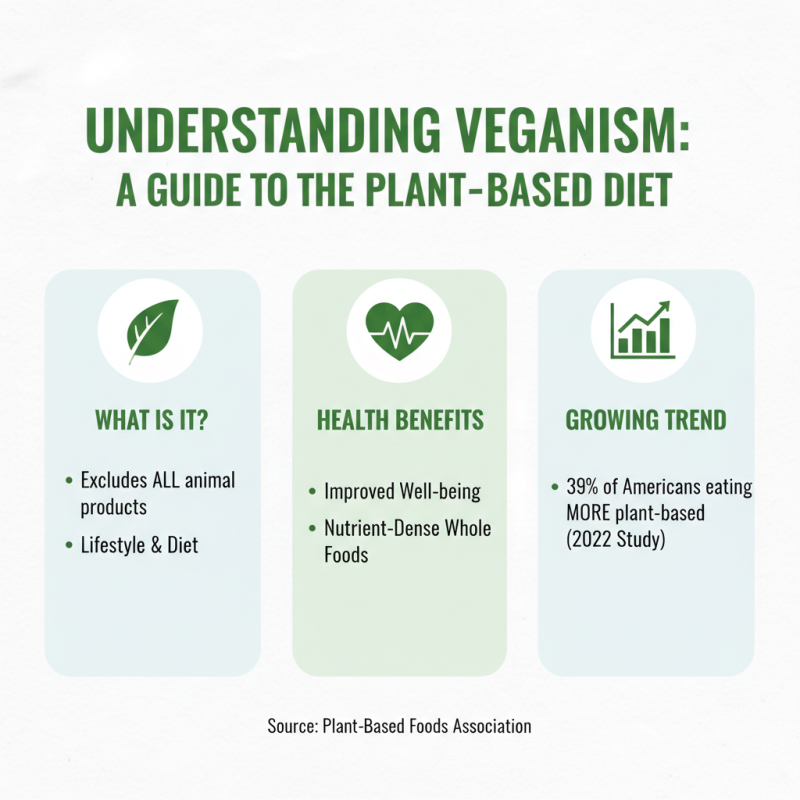
Veganism is a lifestyle that excludes all animal products. It emphasizes whole, plant-based foods, which can improve health. A 2022 study by the Plant-Based Foods Association found that 39% of Americans are trying to eat more plant-based meals. This shift highlights a growing awareness of veganism as a source of nutrition.
Understanding veganism involves recognizing its nutritional components. A balanced vegan diet includes fruits, vegetables, grains, nuts, and seeds. Many studies, including a report by the American Journal of Clinical Nutrition, indicate plant-based diets are linked to lower risks of heart disease and diabetes. However, vegan diets can sometimes lack essential nutrients like vitamin B12 and iron. These gaps require careful planning to avoid deficiencies.
Despite the benefits, adopting a vegan diet poses challenges. Some may struggle with cravings for animal products or find it hard to dine out. Misconceptions about veganism can lead to inadequate meal choices. Reflecting on these issues is vital for making informed dietary decisions. Understanding the balance of nutrients is crucial in thriving on a plant-based diet.
Identifying Nutritional Needs for a Balanced Vegan Diet
Identifying nutritional needs for a balanced vegan diet is essential for overall health. A 2023 report by the Academy of Nutrition and Dietetics highlights that vegans can meet their needs through careful planning. Important nutrients include
protein,
vitamin B12,
iron,
calcium,
and omega-3 fatty acids. For example, legumes and whole grains can provide adequate protein. However, many vegans struggle to consume sufficient amounts of
vitamin B12, which is primarily found in animal products.
Calcium is crucial for bone health, and many plant-based sources like tofu and leafy greens can fulfill this requirement. A study published in Nutrients in 2021 indicated that vegans often have lower calcium intake, leading to potential deficiencies. Similarly,
iron absorption from plant sources is less efficient than from meat. Pairing iron-rich foods with vitamin C sources can enhance absorption. Acknowledging these gaps is vital for anyone adopting a vegan lifestyle.
Tracking nutrient intake through apps might help maintain a balanced diet. Yet, many vegans overlook the importance of supplementation, especially for B12. Regularly consulting with a healthcare provider can guide dietary choices.
Balancing a vegan diet requires reflection and adaptation to ensure all nutritional needs are met.
Evaluating Ingredients: What to Look for in Vegan Food Products
When evaluating vegan food products, ingredient lists are essential. Look for whole food ingredients like fruits, vegetables, grains, and legumes. These provide necessary nutrients. If you see long, complicated names, they may indicate processing. A shorter ingredient list often means higher quality.
Consider allergens and additives. Some products may contain common allergens like nuts or soy. Others include preservatives and artificial flavors. These can affect health and diet. Always check for certifications, such as vegan or organic labels. This adds a layer of trust in the product's integrity.
Not all vegan foods are equal. Some are highly processed and may not be healthier than their non-vegan counterparts. Reflect on your own reactions to certain ingredients. Keeping a food diary may help identify which products work for you. Listening to your body can guide your choices.
Reading Labels: How to Spot Quality Vegan Products
Reading labels is essential when selecting quality vegan food products. The ingredient list is your first stop. Look for whole foods, such as vegetables, grains, and legumes. These ingredients are often more nutritious than processed alternatives. Avoid products with long lists filled with unfamiliar additives. Simpler is usually better.
Nutritional information holds great value too. Pay attention to protein content. Not all vegan foods provide sufficient protein. Check for fiber as well. High fiber content contributes to satiety and digestive health. Bear in mind that some products may claim to be "vegan" but are rich in sugars or unhealthy fats. This can be misleading.
Understanding certifications adds another layer of assurance. Look for vegan certifications on the packaging. These often indicate a commitment to quality. However, do not rely solely on certifications. They can vary in rigor. Research the brands behind the products. A trustworthy brand prioritizes transparency in sourcing and processing. Remember, the more informed you are, the better choices you can make.
How to Choose the Best Vegan Food Products for Your Diet? - Reading Labels: How to Spot Quality Vegan Products
| Product Type |
Relevant Ingredients |
Nutritional Benefits |
Quality Indicators |
| Plant-Based Protein |
Pea Protein, Brown Rice Protein |
High Protein Content, Low in Saturated Fat |
Non-GMO, Organic Certification |
| Dairy Alternatives |
Almond Milk, Soy Yogurt |
Calcium Fortified, Low Calorie |
Contains Probiotics, Minimal Ingredients |
| Snack Bars |
Oats, Dates, Nuts |
High Fiber, Natural Sweeteners |
No Added Sugar, Whole Food Ingredients |
| Frozen Meals |
Quinoa, Vegetables, Bean Sauce |
Vitamins, Balanced Macronutrients |
No Artificial Preservatives, Low Sodium |
| Vegan Sauces |
Coconut Aminos, Nutritional Yeast |
Umami Flavor, Rich in B Vitamins |
Natural Ingredients, No MSG |
Exploring Brands: Recommendations for Trusted Vegan Food Options
When exploring vegan food options, it’s essential to focus on trusted brands. Look for products with clear ingredient lists and labels. Seek certifications like Organic and Non-GMO. These can indicate quality and ethical sourcing. Research the company’s mission and values. This helps you align your choices with your personal beliefs.
Tips: Always read reviews. Consumer feedback offers valuable insights into product efficacy and taste. Opt for brands that encourage transparency about their sourcing practices. Don't hesitate to question companies uncertain about their ingredients.
Sometimes, a brand may appear trustworthy but fall short in practice. Test different products to see what meets your taste preferences and dietary needs. It's okay to make mistakes along the way. Reflecting on these choices can guide your future selections, making your vegan journey more fulfilling.