Why Choose Freeze Dried Cheese for Your Business Needs?
In recent years, freeze dried cheese has garnered attention in various business sectors. This innovative product provides a unique solution for food preservation while maintaining quality. Freeze dried cheese remains lightweight and shelf-stable, making it highly versatile for many applications.
Businesses across the food industry can benefit significantly from freeze dried cheese. Its longer shelf life reduces waste, and it is easy to store and transport. Many consumers enjoy the rich flavor that freeze dried cheese offers, appealing to a broad audience. This product can enhance dishes without the need for refrigeration, adding convenience.
However, some businesses may overlook freeze dried cheese due to unfamiliarity. There are considerations regarding texture and hydration levels. It’s crucial to understand how to rehydrate or use this product effectively. Recognizing these aspects can lead to better product integration. Making informed decisions about freeze dried cheese can elevate culinary offerings while meeting modern consumer demands.
Benefits of Freeze Dried Cheese for Food Preservation
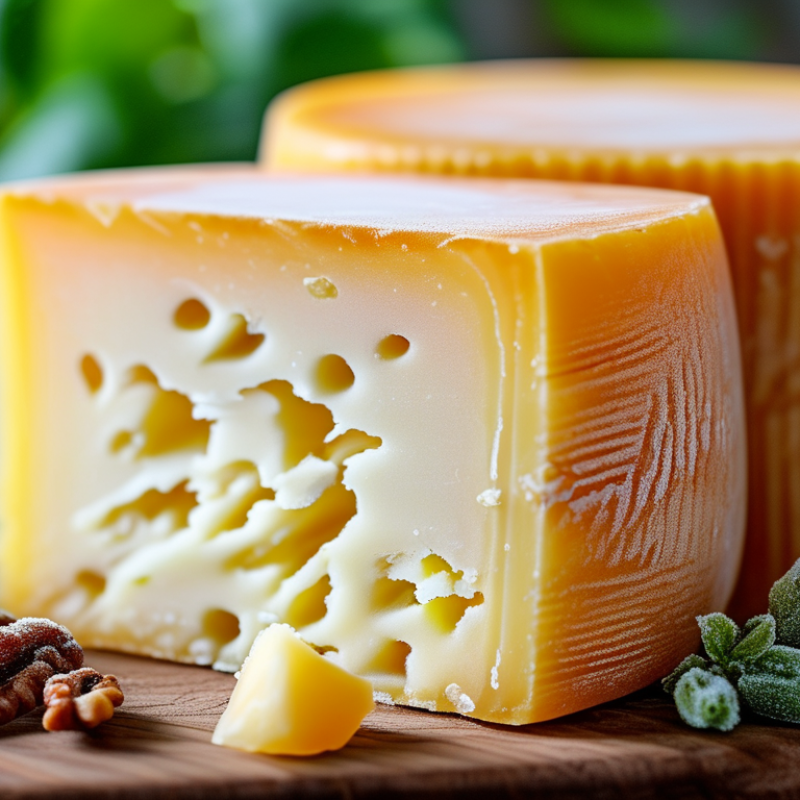
Freeze dried cheese offers excellent preservation advantages for food businesses. This method removes moisture without sacrificing flavor. The result is cheese that retains its quality for long periods. Its lightweight nature makes it perfect for storage and transport. Many find it easier to handle than traditional cheese.
Incorporating freeze dried cheese can enhance meal options and reduce waste. It can be rehydrated for cooking or used as a snack. The texture changes slightly when rehydrated, which some customers appreciate. Experimenting with different recipes will help find your favorites, but be prepared for some trial and error.
Tips: Always store freeze dried cheese in a cool, dry place. Using airtight containers can significantly extend its shelf life. Test different hydration methods to find the best outcome for your dishes. Understanding how it interacts with various ingredients can be key to maximizing its potential.
Cost-Effectiveness of Freeze Dried Cheese for Businesses
Freeze-dried cheese is gaining popularity among businesses for its cost-effectiveness. One significant advantage is its long shelf life. Businesses can store it for years without worrying about spoilage. This reduces waste and saves money on inventory management. It also means fewer shipments, cutting down transportation costs.
The production process of freeze-drying retains the flavor and nutritional value of cheese. This means customers get a quality product. However, not all freeze-dried cheese is created equal. Some products may lack the texture or taste that consumers expect, which is a potential downside. Businesses must test various suppliers to find reliable options.
Investing in freeze-dried cheese can be financially smart, but it's not without challenges. Suppliers may vary in quality and cost. Businesses should consider the initial investment despite the long-term savings. Balancing quality with affordability can be complex. Yet, when done right, it enhances product offerings and meets customer demands effectively.
Versatility of Freeze Dried Cheese in Various Culinary Applications
Freeze dried cheese is gaining traction in various culinary applications due to its unique properties. According to recent industry reports, the market for freeze dried foods is projected to grow significantly, possibly reaching $65 billion by 2027. This growth indicates a rising demand for versatile ingredients like freeze dried cheese. Chefs appreciate its lightweight nature and long shelf life, which allow for easy storage and transportation.
In the culinary world, freeze dried cheese can be used in many dishes. From adding flavor to soups and sauces to serving as a topping for salads and snacks, its applications are vast. Research suggests that rehydrated freeze dried cheese retains up to 90% of its original flavor and nutrients. This means businesses can offer high-quality dishes without the bulk of fresh cheese.
However, some chefs express concerns about the texture of freeze dried cheese when rehydrated. It can differ from fresh cheese, and not all culinary applications may benefit from this change. Experimentation is necessary to achieve the desired outcome in recipes. Balancing its advantages and challenges is key for businesses aiming to incorporate freeze dried cheese into their menus.
Nutritional Value and Safety of Freeze Dried Cheese
Freeze dried cheese offers a unique nutritional value that can benefit various businesses. Rich in proteins, it provides essential amino acids needed for a balanced diet. The drying process removes moisture, preserving the cheese's nutrients and giving it a long shelf life. This means businesses can stock it without the fear of rapid spoilage, making it a practical choice.
Safety is another critical aspect when considering freeze dried cheese. The removal of moisture inhibits bacterial growth, ensuring a lower risk of contamination. It is important to store it properly to maintain its safety and quality. However, some may argue about the loss of flavor during processing. This reflects a trade-off between convenience and taste. Experimentation with different rehydration methods may help in finding the right balance. With the growing popularity of healthy snacks, freeze dried cheese could be an excellent addition to menus and product lines, catering to health-conscious consumers.
Environmental Impact of Using Freeze Dried Cheese in Supply Chains
Freeze-dried cheese offers significant environmental benefits for businesses. First, the freeze-drying process reduces water content greatly. This results in a lighter product that is easier to transport. Lower transportation weights mean reduced fuel consumption. Companies can cut down on their carbon footprints through this method.
Using freeze-dried cheese also contributes to less food waste. The long shelf life of freeze-dried cheese makes it a smart option for inventory management. Businesses can maintain product quality without frequent restocking. Nonetheless, it’s crucial to assess supplier practices to ensure sustainable sourcing. Not all freeze-dried products are equal in environmental responsibility.
Efforts must be continuous for real sustainability. Companies should prioritize certifications that validate eco-friendly production. They may encounter challenges in supply chain transparency. Understanding the entire production process can be tricky. Businesses should remain educated and flexible to adapt their practices.