Best Foil Wrapping Sheets for Your Food Packaging Needs?
When it comes to food packaging, choosing the right materials is essential. Foil Wrapping Sheets offer effective solutions for various food preservation needs. These sheets are commonly used in homes, restaurants, and catering services. Their ability to keep food fresh makes them invaluable. However, not all foil wrapping sheets are created equal.
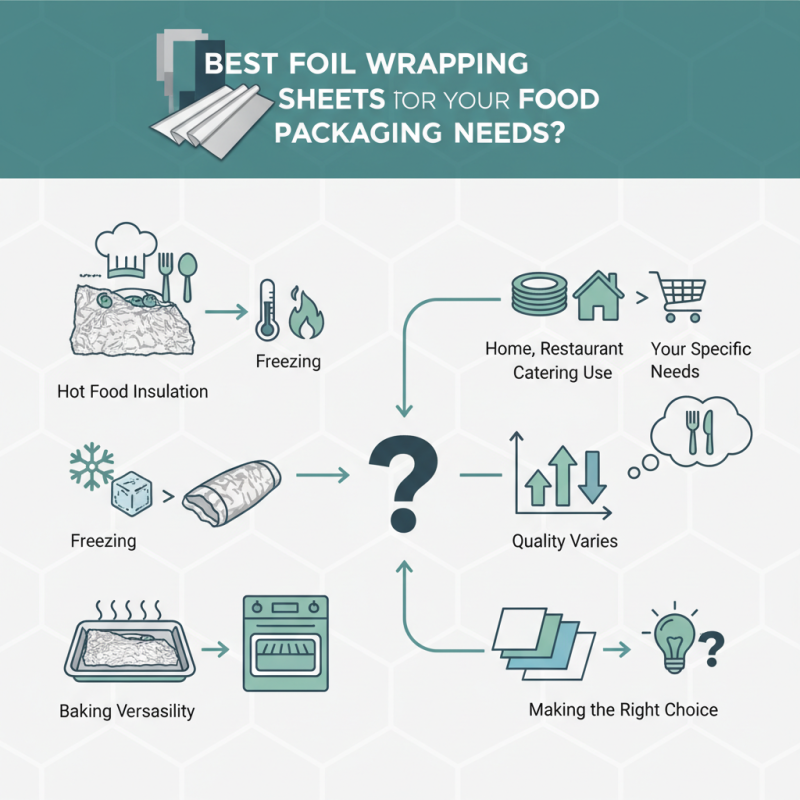
Some sheets are better suited for certain tasks than others. For instance, thicker sheets can provide superior insulation for hot foods. Others are versatile and can be used for freezing or baking. It's important to consider your specific requirements. Reflect on the types of food you commonly store. This can influence your choice of foil sheets.
Understanding the differences among products is crucial. Many brands claim to be the best, but quality varies significantly. Reading reviews and testing samples can guide you towards making the right decision. In the quest for the ideal foil wrapping sheets, what meets your needs may surprise you.
Best Foil Wrapping Sheets: An Overview of Food Packaging Options
When it comes to food packaging, foil wrapping sheets offer a practical solution. These sheets are versatile and suitable for various uses. They can be used to wrap sandwiches, cover dishes, or even bake items. The lightweight design makes them easy to handle, yet they provide strong protection against moisture and oxygen.
Many people underestimate the importance of using quality wrapping materials. Poor choices can lead to contaminated food or spoilage. Finding the right foil sheets is crucial for ensuring food safety. Pay attention to the thickness and durability of the sheets. Some options don’t insulate heat effectively or tear easily, which can be frustrating during meal prep.
It's also worth considering the environmental impact. While aluminum foil is recyclable, not all products are eco-friendly. Mindful selection of materials can make a difference. Evaluate your needs based on frequency of use and specific food types. Balance convenience with sustainability is essential. Making these considerations can elevate your food packaging choices.
Key Characteristics of High-Quality Foil Wrapping Sheets
When choosing foil wrapping sheets for food packaging, consider key characteristics that ensure quality and effectiveness. High-quality foil sheets are durable, providing a reliable barrier against moisture and light. This keeps food fresh longer and prevents contamination. Look for sheets that are thick yet flexible. They should easily mold to the shape of your food items, providing a snug fit.
Tips for selecting foil wrapping sheets: check the thickness of the foil. Thicker sheets tend to hold up better in various temperatures. Also, ensure it's food-grade. This guarantees safety for direct contact with edible items. Consider eco-friendly options as well; many brands now offer recyclable foil sheets, which help reduce environmental impact.
Another important aspect is the ease of use. Quality foil should tear neatly and not leave jagged edges. Sometimes, cheaper options can fray. To avoid frustration, always unwrap and test a small section before committing the entire roll. Remember, investing in good foil wrapping sheets enhances not only the presentation but also the preservation of your food. You want your guests to enjoy fresh and flavorful meals.
Comparative Analysis: Aluminum Foil vs. Other Food Wraps
When it comes to food packaging, aluminum foil stands out for its versatility. It prevents moisture and light from affecting the food inside. This makes it ideal for wrapping baked goods or protecting leftovers. The shiny side reflects heat, while the dull side absorbs it. This unique property helps when cooking or reheating meals.
In contrast, plastic wraps and wax papers have their own advantages. Plastic wraps are often more flexible and can cling tightly to various food shapes. However, they do not offer the same level of protection against light and air. Wax papers are great for wrapping sandwiches but lack moisture resistance. Many people find them less reliable for long-term storage.
Some users prefer reusable alternatives like beeswax wraps. They are eco-friendly, yet they may not provide the same barrier as foil. Not everyone enjoys working with them, as proper care is necessary to maintain their effectiveness. Choosing between these options can be challenging. Each type has pros and cons, and understanding their differences is crucial for optimal food storage.
Industry Standards for Food Safety and Foil Packaging Materials
Effective food packaging is vital in today's industry. Foil wrapping sheets serve as a reliable choice, often meeting stringent food safety standards. According to the Food and Drug Administration (FDA), materials used in food packaging must be safe and suitable. Foil products can prevent moisture, light, and oxygen exposure, which helps in preserving food quality.
Research from Packaging Strategies indicates that foil packaging can extend the shelf life of food by 20-30%. This statistic showcases the efficiency of foil in maintaining freshness. However, not all foil materials are created equal. Some may contain harmful substances if produced improperly. It's essential to select foil sheets that comply with industry regulations.
The European Food Safety Authority (EFSA) advises careful sourcing of packaging materials. Proper certification of foil sheets is crucial to ensure they are safe for food contact. This highlights the need for transparency in production and certification processes. Understanding these industry standards can be challenging. Many businesses face difficulties navigating the certification landscape. This often leads to questions about material safety and reliability, ultimately impacting consumer trust.
Sustainability Considerations in Foil Wrapping Sheet Production
The growing concern for sustainability shapes the production of foil wrapping sheets. Recent industry reports highlight that over 60% of consumers prioritize environmentally friendly packaging. This shift influences manufacturers to adopt recycled materials and eco-friendly practices.
However, production processes still pose challenges. For example, the energy consumption involved in aluminum production is significant. A study from the International Aluminium Institute shows that producing a ton of aluminum emits around 11.7 tons of CO2. Efforts are underway to reduce this carbon footprint through innovative technologies and energy-efficient methods.
Despite advances, the recycling rate for aluminum remains a focus. The Recycling Partnership indicates that around 75% of aluminum ever produced is still in use today. Yet, only 50% gets recycled annually. There is a need for improvement in consumer education and recycling systems. These aspects highlight the gaps that still exist in achieving a truly sustainable foil packaging solution.
Best Foil Wrapping Sheets for Your Food Packaging Needs? - Sustainability Considerations in Foil Wrapping Sheet Production
| Foil Type | Thickness (microns) | Recycling Potential | Biodegradability | Cost per Sheet ($) |
| Aluminum Foil | 15 | Yes | No | 0.10 |
| Recycled Foil | 20 | Yes | No | 0.12 |
| Wax Paper | 30 | No | Yes | 0.08 |
| Plant-based Bioplastic | 25 | Yes | Yes | 0.15 |
| Compostable Foil | 18 | No | Yes | 0.20 |