2026 Top Cutter Suction Dredger Features and Benefits?
The Cutter Suction Dredger (CSD) industry is rapidly evolving, with innovations shaping its future. John Smith, a renowned expert in dredging technologies, stated, “The advancements in CSD features significantly impact efficiency and project outcomes.” These machines are not just tools; they are engineering marvels designed for precision.
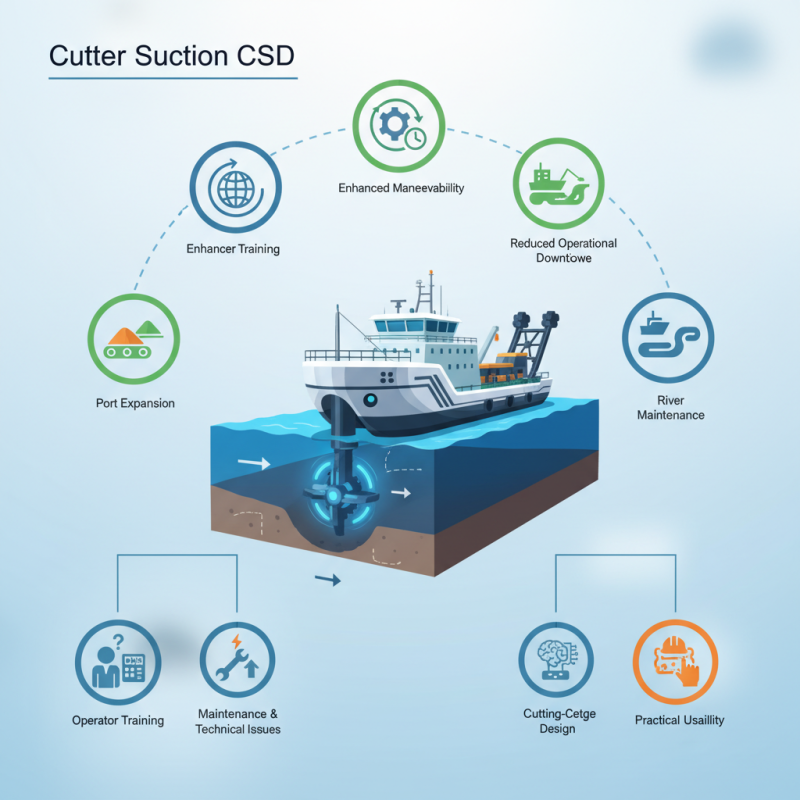
In 2026, the latest Cutter Suction Dredger models showcase improved suction power and enhanced maneuverability. These features allow for deeper dredging and efficient material handling. The ability to operate in challenging environments is vital for projects like river maintenance and port expansion. Such capabilities can reduce operational downtime.
However, as we embrace these advancements, there are challenges to consider. Training operators to maximize these features is essential. Organizations must also address maintenance and potential technical issues promptly. A balance between cutting-edge design and practical usability will define the success of future Cutter Suction Dredgers.
Overview of Cutter Suction Dredgers
Cutter suction dredgers (CSDs) play a vital role in marine and inland construction projects. These machines are designed for efficient sediment removal. In 2026, the demand for advanced CSDs is projected to surge, driven by infrastructure development and environmental needs. According to the International Dredging Association, the global dredging market is expected to reach $20 billion by 2026.
CSDs feature a suction pump and a rotating cutter head, allowing them to excavate and transport materials effectively. They can operate in a variety of conditions, making them ideal for harbors, rivers, and lakes. A report by MarketsandMarkets indicates that the versatility of CSDs, particularly in terms of depth and material types, enhances their appeal in diverse projects. However, achieving optimal efficiency requires skilled operators and well-maintained equipment for best results.
Despite their advantages, CSDs are not without challenges. High operational costs and maintenance needs can impact project budgets. Additionally, environmental regulations may complicate deployment in sensitive areas. These issues highlight the need for careful planning and expertise in dredging operations. Adapting to these constraints can result in more sustainable practices while ensuring project success.
Key Features of the 2026 Cutter Suction Dredger Model
The 2026 Cutter Suction Dredger (CSD) model boasts innovative features that enhance its efficiency and versatility. One key element is its advanced hydraulic system, which allows for improved power management. This ensures optimal performance even in challenging conditions. Operators can expect better fuel efficiency, which contributes to reduced operational costs on long projects.
Another notable feature is the cutter head design. A specialized cutting tool improves penetration through tough materials like clay and mixed substrates. This design can adapt to different site conditions, providing flexibility during dredging operations. Enhanced dredging depth capabilities ensure that even deeper materials can be accessed easily.
Tips: When selecting a dredging solution, assess the specific sediment types in your projects. Ensure that the dredger you choose can handle those conditions effectively. Regular maintenance of equipment is critical; investing time in upkeep can prevent costly repairs later. Always consider training for your crew to fully utilize the capabilities of the dredger.
The
ergonomic operator cabin is also worth mentioning. It offers better visibility and comfort for crew members during long hours of operation. However, some users find that initial training might be required to adapt to new controls and systems. Understanding the strengths and limitations of the equipment will lead to better project outcomes.
Benefits of Using Cutter Suction Dredgers in Dredging Projects
Cutter suction dredgers are crucial in modern dredging projects. They offer distinct advantages that set them apart. These machines can efficiently remove sediment from various water bodies. Their design allows them to operate in shallow and deep waters alike. This flexibility makes them ideal for diverse applications, including harbor maintenance and land reclamation.
One significant benefit is their ability to handle multiple types of materials. Cutter suction dredgers can excavate soft silt and dense clay. This capability reduces the need for additional machinery, thereby lowering project costs. Their suction system ensures continuous dredging. However, some operators may overlook maintenance needs, which can affect performance over time.
Safety is another key advantage. With automated systems, the risk of accidents is minimized. Operators can focus on monitoring the process rather than manual labor. Nevertheless, operator training is essential to fully utilize these features. Understanding the technology is crucial for maximizing efficiency and preventing issues. While cutter suction dredgers have many benefits, a thoughtful approach is necessary.
Technological Innovations in 2026 Cutter Suction Dredgers
In 2026, cutter suction dredgers (CSDs) will showcase remarkable technological innovations. These innovations focus on efficiency, safety, and environmental sustainability. A report from the International Maritime Organization suggests that modern CSDs can reduce fuel consumption by up to 35% compared to older models. This reduction is vital for both operational costs and environmental health.
Advanced automation systems will play a crucial role in enhancing operational efficiency. These systems can monitor and adjust dredging depth and position in real time. The use of IoT technology allows for remote monitoring, enabling operators to make data-driven decisions quickly. Additionally, noise reduction technologies are expected to decrease underwater noise pollution by about 40%. This improvement is critical for protecting marine ecosystems around dredging sites.
However, challenges remain. High initial investment costs for these technological upgrades may deter some operators. Access to training for personnel is another concern, as skilled workers are essential for leveraging these innovations. It is also important to ensure that the benefits of these technologies are shared equitably across the industry. As the sector evolves, ongoing assessments are needed to address these pressing issues effectively.
Applications and Industry Impact of Cutter Suction Dredgers
Cutter suction dredgers (CSDs) play a crucial role in various industries, particularly in port development, land reclamation, and environmental protection. According to a report by Global Market Insights, the dredging market is projected to exceed $12 billion by 2026, driven by increasing demand for efficient sediment removal and waterway maintenance. The CSD's ability to excavate material both underwater and at higher productivity rates makes it indispensable for these projects.
These dredgers are essential for maintaining shipping channels and ensuring navigability. In the construction of new ports, CSDs can remove vast amounts of sediment. They can operate in shallow waters, making them suitable for many coastal areas. However, the environmental impact remains a pressing concern. Data from the International Maritime Organization suggests that dredging can disrupt local ecosystems, which poses a challenge for sustainable operations.
Moreover, industries are increasingly required to adhere to stricter environmental regulations. While CSDs are efficient, their operational impact must be carefully managed. Many operators are exploring eco-friendly options, including reduced emissions and lower noise levels. Balancing efficiency with ecological responsibility poses a continual challenge in the dredging sector, emphasizing the need for innovation and regulatory compliance.