



Careers
2026 Top Panko Manufacturers for Global Buyers
Global buyers need more than a long supplier list when evaluating the 2026 Top Panko Manufacturers. They need evidence.
A dependable Panko Manufacturer should demonstrate consistent flake structure, controlled moisture, clean production, and reliable export capacity. Product samples can reveal important details. Look for pale, airy flakes, even particle size, and a crisp finish after frying. Packaging also matters, especially when containers face humid ports or long storage periods.
Kenji Nakamura, an independent panko product-development consultant, explains, “Good panko begins with controlled bread structure, not with coating alone.” This practical view deserves attention. Manufacturing starts with flour selection, fermentation, baking, drying, and milling. Each stage influences texture and oil absorption.
Quality is not always obvious.
This guide examines manufacturers through several buyer-focused measures. These include production experience, food-safety systems, private-label flexibility, batch consistency, technical communication, and international logistics. Certifications can support trust, but they should not replace factory verification or sample testing. Buyers should confirm allergen controls, ingredient declarations, shelf-life data, and packaging specifications before placing large orders.
Some rankings remain imperfect. Public information varies between manufacturers, and factory capabilities can change. A company with strong equipment may still provide weak communication. Another supplier may offer excellent panko but limited regional distribution. These differences require careful judgment.
The manufacturers featured here represent practical options for wholesalers, food processors, restaurant groups, and importers. Their strengths are not identical. The best choice depends on application, market requirements, order volume, and desired crunch.
What Panko Is and Why Global Buyers Choose It
2026 Top Panko Manufacturers for Global Buyers
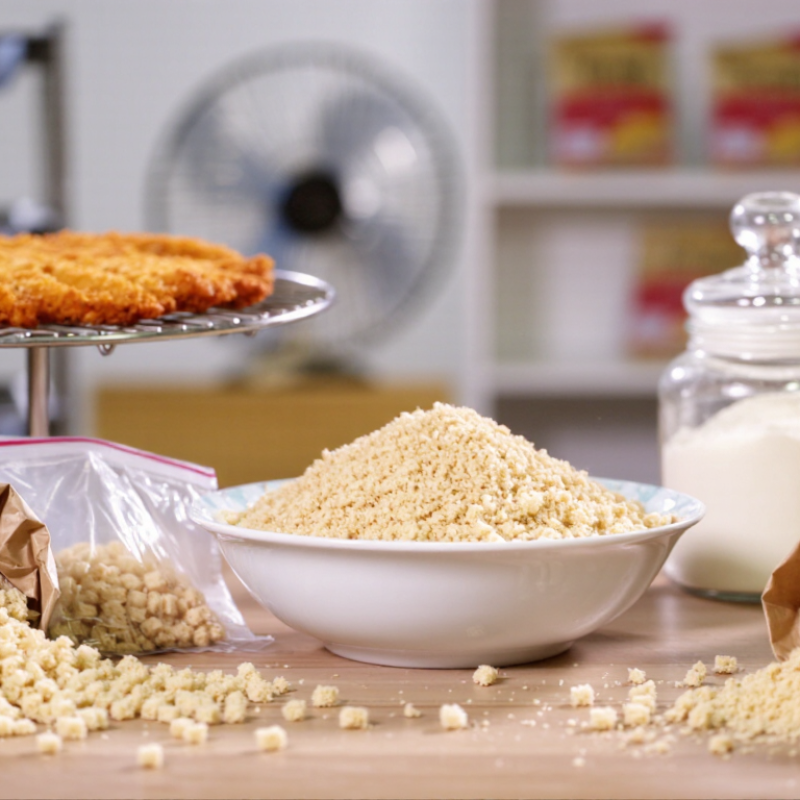
Panko is a Japanese-style breadcrumb made from bread with a light, open structure. Its large flakes create a dry, crisp coating around seafood, vegetables, poultry, and prepared foods. Global buyers choose panko because it delivers visible texture, lower oil absorption, and a cleaner bite than many fine crumbs.
Commercial market reports show why this category attracts suppliers. Grand View Research estimates the global breadcrumbs market will expand steadily through 2030, supported by convenience foods and foodservice demand. A 2024 assessment from IMARC Group also identifies Asia-Pacific as a major production and consumption region. These figures are useful, but they are not identical. Definitions and survey methods differ.
For buyers, consistency matters more than impressive flakes in a sample bag. Check particle size, moisture, color, salt level, and sieve results. A stable product should remain crisp after frying and during short holding periods. Packaging must also protect the crumbs from humidity during ocean transport. In practical trials, a 2-millimeter difference can change coating coverage and cooking time. Small details matter.
No specification sheet replaces a pilot fry. That is worth remembering. Some suppliers publish excellent laboratory data but provide weak batch control. Buyers should request recent certificates, allergen statements, microbiological results, and traceability records. A careful factory audit should examine bread production, drying, metal detection, storage temperature, and lot coding. Performance can still vary after seasonal flour changes, so repeat testing remains necessary.
Key Criteria for Evaluating Panko Manufacturers
2026 Top Panko Manufacturers for Global Buyers
Evaluating panko manufacturers requires more than comparing prices.
Particle shape, moisture stability, and frying performance affect every shipment. Ask for batch samples, not only brochures. The crumb should remain crisp after frying and resist excessive oil absorption. Manufacturing records should show controlled baking temperatures, sieve sizes, and moisture testing. A small variation can change coating coverage.
Food safety evidence deserves close examination.
Codex Alimentarius recommends preventive hygiene controls and HACCP-based systems for food production. Look for validated allergen controls, traceability exercises, environmental monitoring, and documented corrective actions. A certificate alone is not enough. Audit scope, expiry dates, and production-site details matter. I would also review complaint data, although suppliers may disclose very little. That gap needs attention.
Logistics can reveal a manufacturer’s real capability.
FAO reported that 14% of food is lost between harvest and retail globally, making storage and transport discipline important. Request packaging specifications, pallet limits, container loading plans, and temperature records where relevant. UNEP’s Food Waste Index Report 2024 estimated 1.05 billion tonnes of food waste in 2022. Better shelf-life protection supports both cost control and waste reduction. Test panko after simulated transit, not just at the factory. The result may be less impressive. That is useful evidence.
Leading Panko Manufacturers for International Sourcing in 2026
For global buyers in 2026, leading panko manufacturers offer more than competitive pricing. They provide stable texture, clear specifications, and dependable export support. Experienced sourcing teams inspect production areas, breading lines, storage rooms, and loading procedures. A clean factory matters, but documented controls matter too. Buyers should request product samples, moisture data, particle-size ranges, allergen statements, and shelf-life records. These details help compare suppliers fairly across regions.
Tips: Test samples in the final recipe, not alone. Check crunch after frying, holding, and delivery. Ask about wheat origin, oil handling, packaging strength, and batch traceability. Confirm whether the manufacturer can support private specifications, seasonal volumes, and smaller trial orders. Communication speed is useful, but written answers are more reliable.
A capable manufacturer should explain quality checks without vague promises. Production capacity must match real export performance, including peak-season orders and port delays. I have seen attractive samples fail during larger runs because particle size changed. That risk deserves open discussion. Factory audits, independent testing, and reference checks can reduce uncertainty. Still, no supplier is perfect. Buyers may need to accept minor variation while protecting essential standards, such as crispness, color, food safety, and delivery consistency. Clear contracts should define tolerances, inspection rights, packaging details, and corrective actions before regular shipments begin.
Production Standards, Product Types, and Quality Controls
2026 Top Panko Manufacturers for Global Buyers
Production standards should begin with the crumb, not the package. Reliable manufacturers define wheat quality, particle size, moisture, and oil absorption before production starts. Codex Alimentarius’ General Principles of Food Hygiene, revised in 2022, supports hazard-based controls across food processing facilities.
Panko may be offered as white, whole-wheat, seasoned, colored, coarse, or fine crumb. Gluten-free versions require separate raw materials and strict allergen segregation. Fermentation, baking temperature, drying time, and sieve size affect crispness and browning. Buyers should request moisture and water activity results for every production lot. They should also review foreign-material controls, metal detection records, sanitation checks, and retained samples.
The World Health Organization estimates that contaminated food causes about 600 million illnesses annually. That figure explains why documented controls are more valuable than attractive samples. Strong facilities maintain batch traceability from flour receipt to export loading. They also provide certificates of analysis, shelf-life evidence, and corrective-action records.
A perfect-looking crumb can still fail during frying. Excess moisture may soften the coating, while uneven particles can create patchy coverage. Quality teams should test panko in the buyer’s actual application, not only in the laboratory. No factory control is flawless. Continuous verification, honest deviation reporting, and periodic supplier audits remain necessary.
How Global Buyers Can Compare Suppliers and Place Orders
2026 Top Panko Manufacturers for Global Buyers
Global buyers should compare panko suppliers through evidence, not polished catalogs. Request samples from several manufacturers and test color, flake size, crispness, oil absorption, and breakage. A simple frying test can reveal differences hidden in product photographs. Check ingredient lists, allergen controls, production dates, shelf life, and food safety certifications. These details matter more than attractive packaging.
Supplier communication also deserves careful review. Ask for minimum order quantities, monthly capacity, lead times, packaging formats, pallet measurements, and export documents. Confirm whether prices include freight, insurance, duties, or only factory delivery. Written specifications reduce misunderstandings, especially when ordering custom flake sizes. I have found that fast replies are useful, but detailed replies are more reliable. Still, no comparison is perfect. Production conditions can change after approval.
Tips: Compare samples under the same cooking conditions. Record frying temperature, cooking time, oil type, and final texture. Ask for a recent certificate of analysis and verify its listed product details. Before placing a large order, use a smaller trial shipment when possible. Review carton strength carefully; crushed flakes create avoidable waste. Discuss payment milestones and inspection rights in writing. A supplier may offer the lowest quote, yet inconsistent supply can cost more later. Keep every agreed specification in one signed document.


